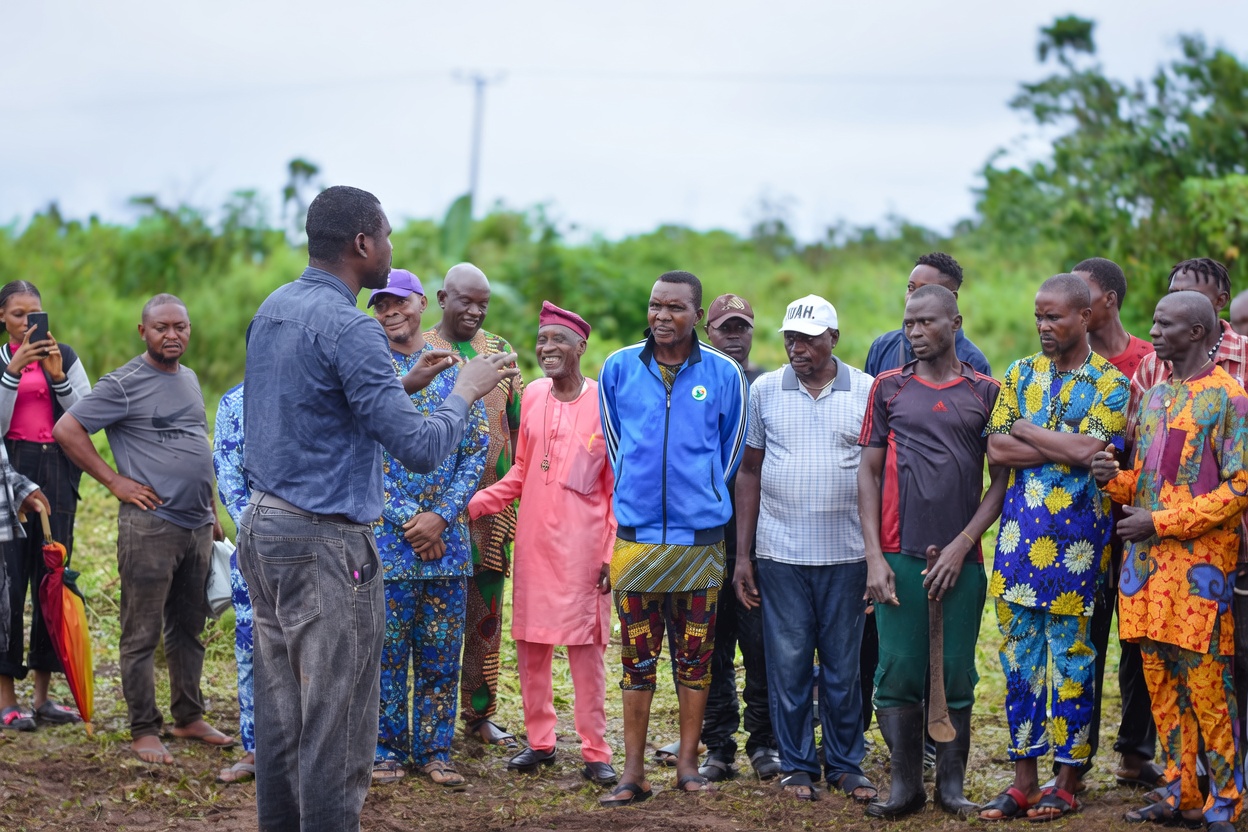


PIND’s third value chain analysis examined the Palm Oil sector. Nigeria was the world’s leading producer and exporter in the 1960s, however, since then the country has fallen to being a net importer to meet growing domestic demand, especially for higher quality oils and fractions. The value chain study concluded that growing the size of the overall value chain will require a variety of interventions focused on enhancing linkages between SPO processors and private farmers and improving processing efficiency, in particular at the smaller, commercial level. These will require an increasing investment in re-planting and upgrading existing palm plantations with newer, higher oil content varieties, and improved coordination between farmers and processors.
DOWNLOAD Palm-Oil-Value-Chain-Analysis.pdf (59492 downloads )