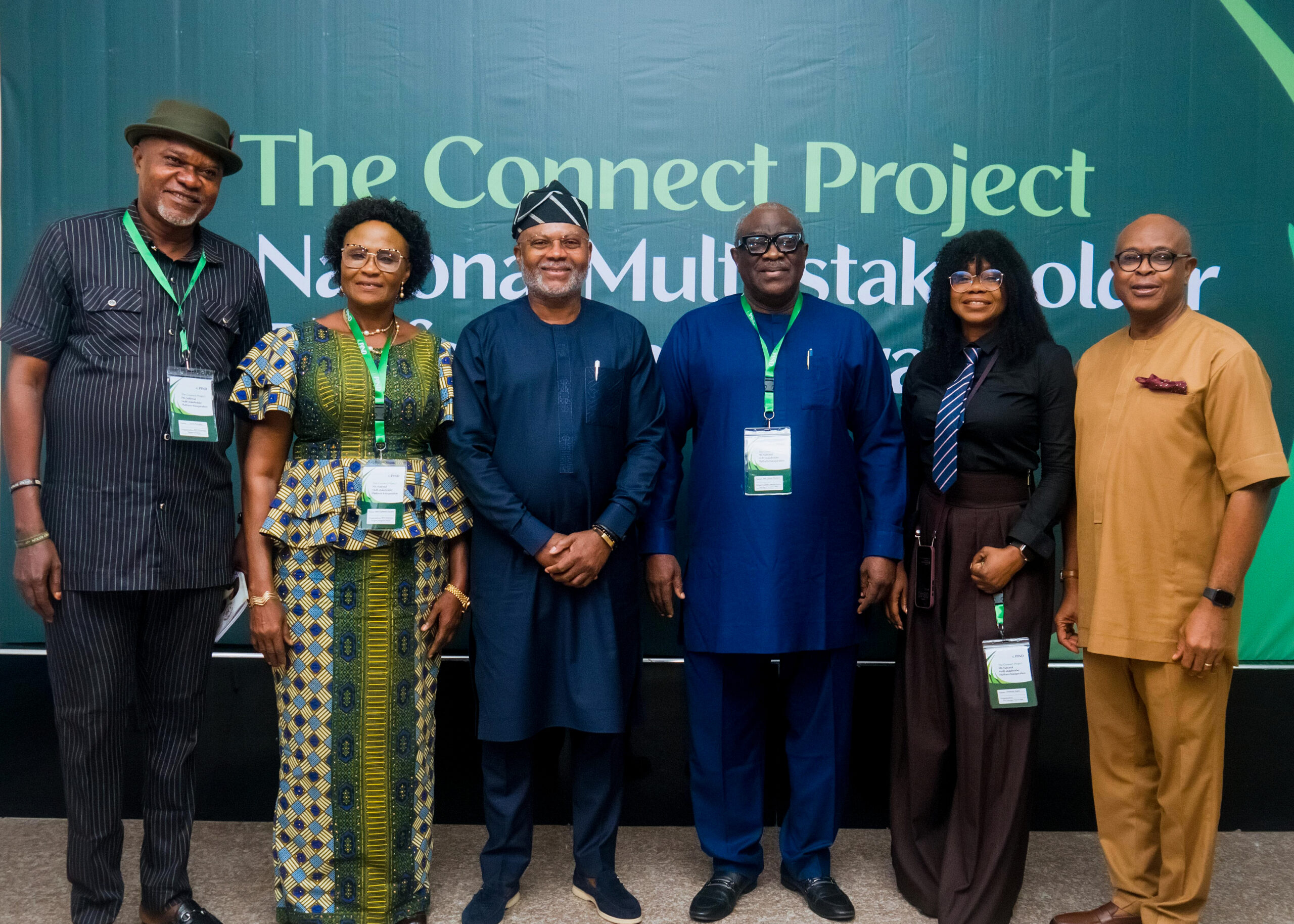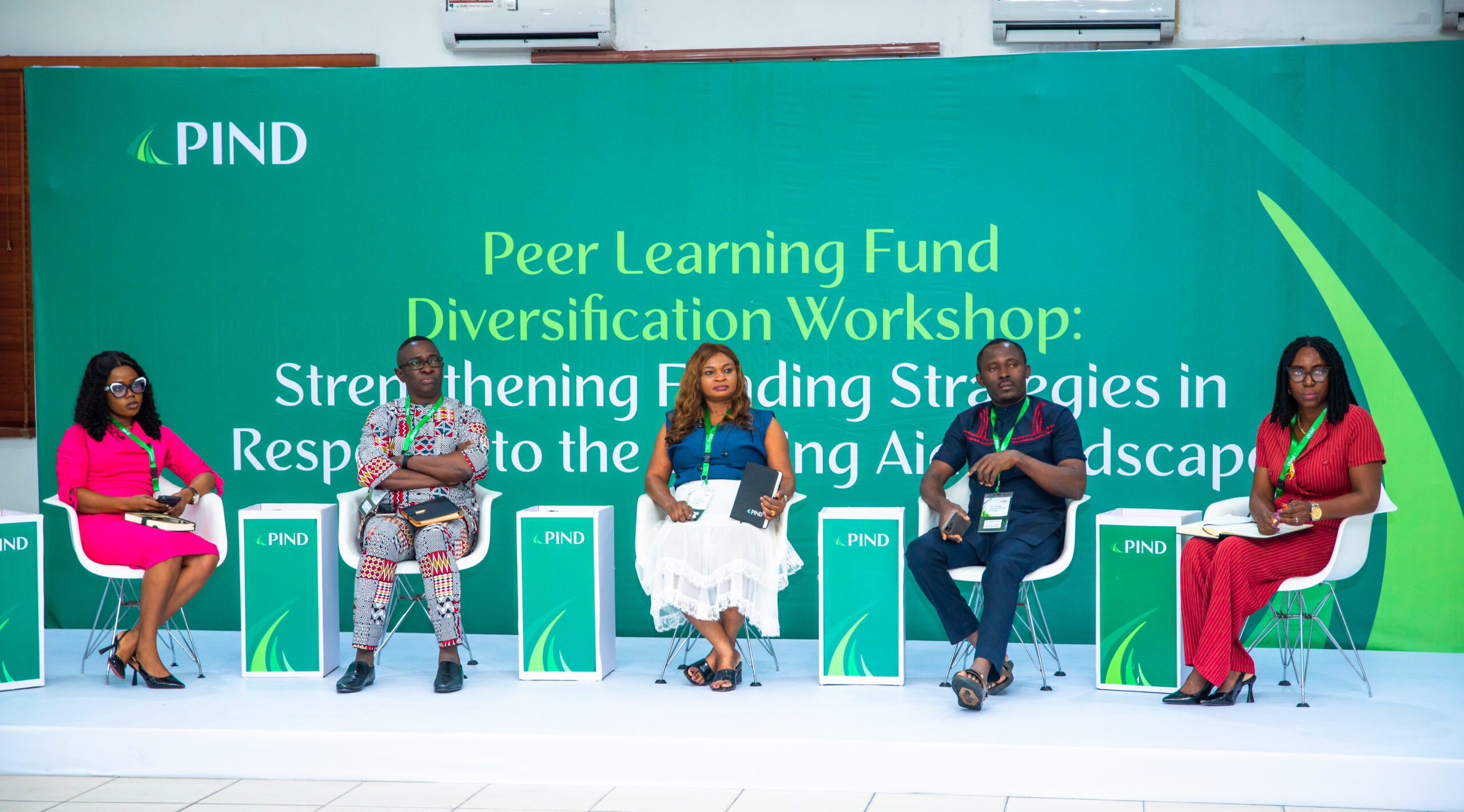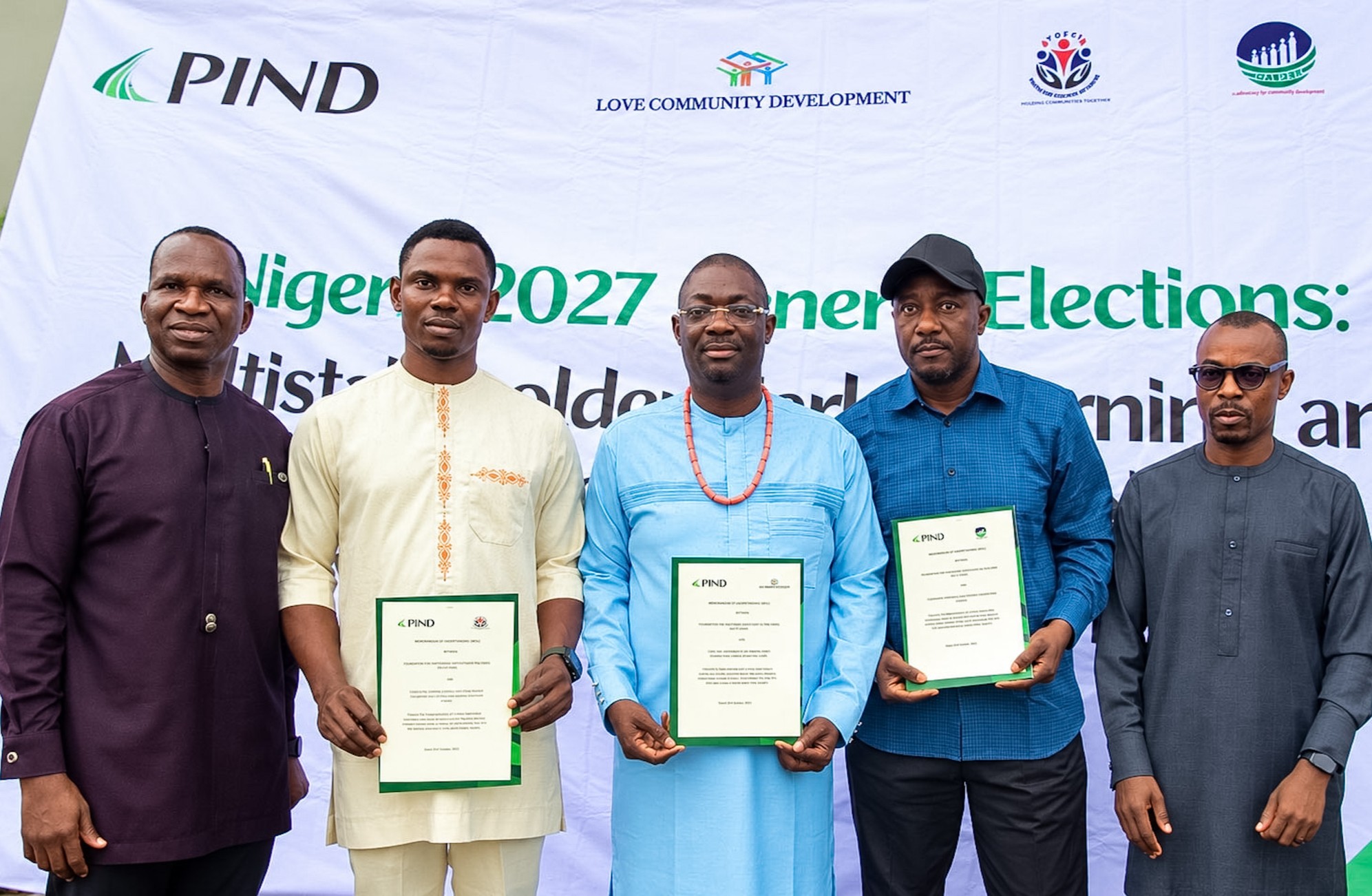


Across the Niger Delta, efforts to expand economic opportunities and strengthen community development require coordinated action across government, development organizations, communities, and the private sector. In response, the Foundation for Partnership Initiatives in the Niger Delta (PIND) engaged the Edo State Government to deepen collaboration on agriculture, youth employment, skills development, renewable energy, and peacebuilding.
On September 28, 2026, a PIND delegation led by Program Director Dr. Effiong Essien paid an advocacy and courtesy visit to the Governor of Edo State, Senator Monay Okpebholo, and Deputy Governor Rt. Hon. Dennis Idahosa. The engagement provided an opportunity to present PIND’s development footprint in the state and discuss areas where stronger government partnership could help scale ongoing interventions.
Expanding Opportunities Through Agriculture
A major focus of the engagement was the Women in Sourcing and Enterprise (WISE) Program and its efforts to increase women’s participation in agricultural value chains.
Speaking on behalf of the Foundation, Dr. Effiong Essien, PIND’s Program Director, highlighted PIND’s longstanding collaboration with the Edo State Ministry of Agriculture, including work through the Joint Committee on Land Access and support for climate-smart agriculture. Since 2021, PIND has trained more than 25,000 farmers and entrepreneurs in climate-smart practices, while more than 2,000 farmers have gained improved access to cassava stems and oil palm seedlings since 2018.
Through WISE, an initial 600 hectares are already under cultivation using assets provided by the state government. PIND also discussed the potential to expand this work through access to approximately 4,700 hectares of land for WISE and partner small and medium-sized enterprises, particularly in priority catchment areas including Warake and Ekperi in Etsako Central.
The proposed expansion could create significant income opportunities, particularly for young women, while contributing to food production and stronger agricultural value chains. PIND also identified initial land clearing and site preparation as important entry points for enabling young farmers to access and utilize the land.

Connecting Skills to Jobs and Enterprise
Youth employment and skills development were also central to the discussions. PIND presented its Youth Employment Pathways (YEP) program, which supports unemployed young people to transition into employment or entrepreneurship within six months.
Through formalized
partnerships with EdoJobs and the Edo State Board of Technical and Educational Training, 140 young people are currently undergoing training and being connected to pathways including enterprise support, employment, and idea-pitch funding.
The engagement also included PIND’s proposal to rehabilitate and reactivate the Udo Skills Development Center. The deputy governor welcomed the proposed rehabilitation and indicated the state’s willingness to review the request, including the potential involvement of development partners.
Building Safer Conditions for Economic Activity
For agricultural investments and businesses to thrive, PIND emphasised that economic opportunities must be supported by safe and stable communities, while highlighting its community early-warning network of more than 12,600 volunteer stewards whose reports contribute to security and peacebuilding efforts across the Niger Delta. The Foundation proposed working with Edo State to strengthen safe farm corridors and develop a more coordinated security framework that can help farmers operate with greater confidence.
The delegation also highlighted its renewable energy partnership under the PIND-Okomu Oil PLC partnership, including recently commissioned community energy projects in Gbelebu Community and planned installations in Matapayo and Bolehupa Communities.
Deepening Government–Development Partnerships
The Deputy Governor acknowledged PIND’s contributions to Edo State and expressed interest in continued collaboration around the state’s priorities, particularly security, agriculture, education, and health. He also indicated willingness to facilitate further engagement with relevant government officials.
The engagement reinforced the importance of sustained coordination between government and development actors in translating development priorities into practical opportunities for communities.
Looking Ahead
For PIND, the next phase will focus on following up on the land access request, advancing discussions on the Udo Skills Development Center, and working with the State’s security architecture to develop practical approaches for safer agricultural corridors.
Through these partnerships, PIND seeks to build on existing interventions and strengthen the systems that enable young people, women, farmers, and businesses in Edo State to access opportunities and participate more meaningfully in the state’s development.