

For local organizations working across the Niger Delta, sustaining development work is becoming increasingly challenging as donor funding declines, priorities shift, and competition for grants grows. These changes are creating a need for organizations to look beyond traditional funding models and develop more resilient ways to sustain their work.
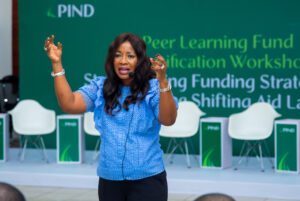
Responding to this changing landscape, the Foundation for Partnership Initiatives in the Niger Delta (PIND) convened local NGOs, civil society organizations (CSOs), business membership organizations (BMOs), and implementing partners at the Peer Learning Fund Diversification Workshop: Strengthening Funding Strategies in Response to the Shifting Aid Landscape, held from October 5–6, 2026, in Warri, Delta State.
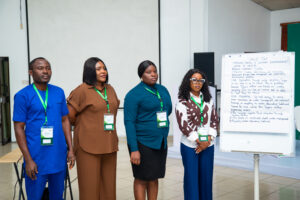
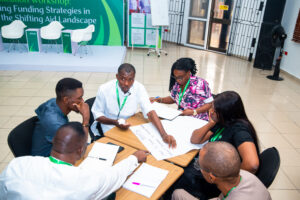
The two-day workshop provided a platform for participants to share experiences, explore alternative funding approaches, and identify practical steps towards greater financial sustainability.
Beyond the Next Grant
The workshop encouraged participants to rethink funding diversification as more than finding another donor.
Through peer exchanges, case clinic technical discussions, and practical exercises, organizations examined what they already have that can create value from technical expertise and knowledge to networks, established brands, systems, and access to markets. The discussions also explored social enterprise and earned-income models that can connect an organization’s work to revenue opportunities.
One example shared was the “Dine to Save” concept, which uses a dinner experience to raise awareness about the needs of elderly people while creating practical opportunities for participants to contribute. The example demonstrated how organizations can combine storytelling, engagement, and accessible giving to mobilize resources around a social need.
The broader lesson was that organizations can explore ways to create value around their expertise, networks, and the needs they address, rather than relying solely on project-based grants.
Unlocking Local Funding Opportunities
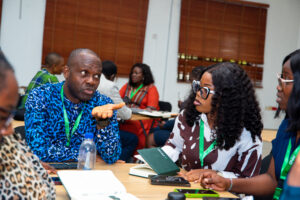
Participants also explored funding opportunities within the local development ecosystem, including partnerships with Host Community Development Trusts (HCDTs), private-sector organizations, impact investors, philanthropists, and other domestic resource providers.
For NGOs and CSOs in the Niger Delta, HCDTs represent an emerging opportunity to position themselves as partners capable of supporting the implementation of community development plans.
Discussions on investment and access to finance also reinforced that funding alone is not enough to make businesses and development initiatives sustainable. Market access, technical capacity, infrastructure, reliable data, and strong business systems must work alongside finance to create lasting value.
This encouraged participants to look beyond individual projects and consider the wider systems needed to connect finance, businesses, markets, investment, and opportunities for growth.

Building Organizations Funders Can Trust
Diversifying funding also requires organizations to strengthen their own readiness.
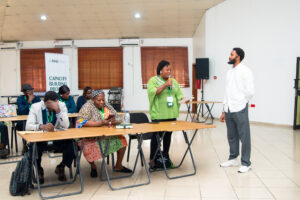
During a Fishbowl discussion on what funders expect, participants examined issues including governance, transparency, accountability, and financial management. The conversation highlighted that attracting new sources of funding is closely linked to an organization’s ability to demonstrate that it can responsibly manage resources and deliver results.
Participants were therefore encouraged to assess their own institutional strengths and gaps and identify areas requiring further investment.
From Learning to Action
The workshop concluded with a focus on practical action. Using a Fund Diversification Toolkit, participating organizations began developing funding diversification action plans and received peer feedback to strengthen their ideas.
The plans provide a starting point for organizations to explore approaches that fit their own context, whether through earned income, HCDT partnerships, private-sector engagement, digital fundraising, investment readiness, or stronger financial systems.
For local organizations across the Niger Delta, these capabilities will be increasingly important in building the resilience needed to sustain development outcomes beyond individual funding cycles.