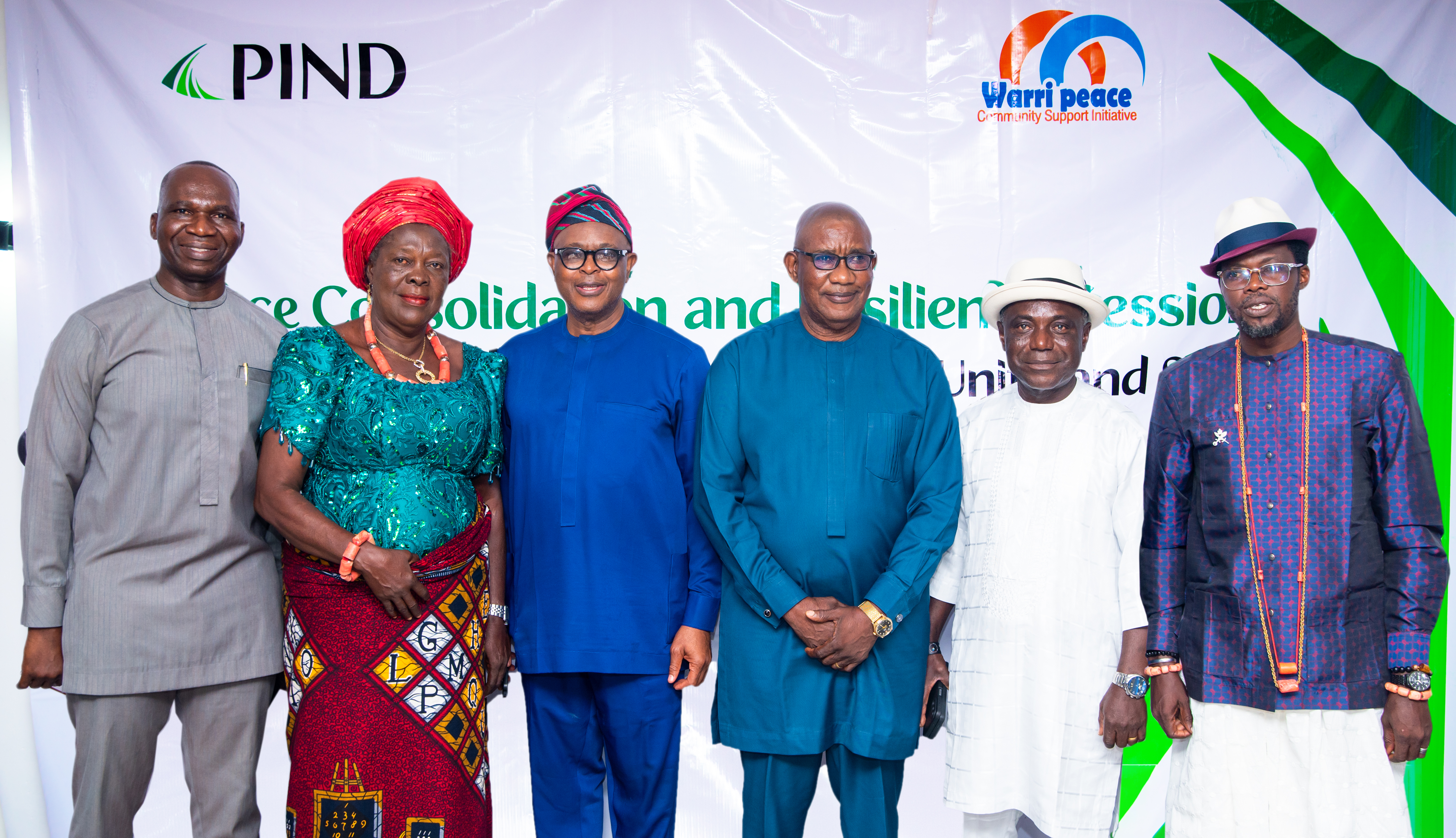


The effective implementation of the Petroleum Industry Act (PIA) requires strong Host Community Development Trusts (HCDTs), transparent governance systems, and coordinated engagement among stakeholders responsible for host-community development. Across the Niger Delta, strengthening these systems remains essential to ensuring that development investments respond to community priorities, promote accountability, and deliver sustainable outcomes.
To address these challenges, the Foundation for Partnership Initiatives in the Niger Delta (PIND), in partnership with the Ford Foundation, has launched the Connect Project, an initiative designed to strengthen HCDT governance and advance effective implementation of the PIA across the region.
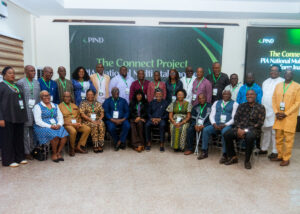
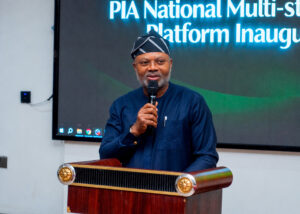
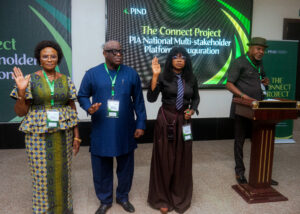
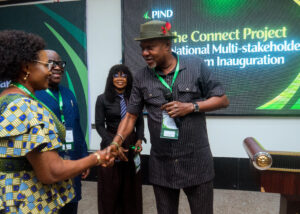
A key component of the project is the establishment of a National Multi-Stakeholder Platform (MSP), inaugurated in Port Harcourt, Rivers State, on October 8, 2026. The platform brings together HCDTs, host communities, government institutions, regulators, civil society organisations, settlors, petroleum-sector actors, and development partners to improve coordination and address practical challenges affecting host-community development.
Establishing a Coordinated Framework for PIA Implementation
The inauguration marked an important step toward creating a structured mechanism for stakeholder collaboration, moving beyond fragmented engagement to shared priorities, defined responsibilities, and coordinated action.
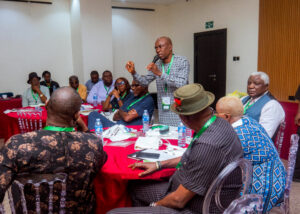
During the inaugural meeting, stakeholders established the platform’s leadership structure and agreed on operating arrangements, initial priorities, responsibilities, and timelines for continued engagement. These arrangements provide a framework for identifying implementation gaps, sharing evidence, coordinating responses, and tracking progress on agreed actions.
The National MSP will focus on priority issues affecting HCDT governance, including transparency, inclusive community participation, regulatory collaboration, conflict sensitivity, and evidence-based decision-making. By strengthening engagement among institutions and stakeholders, the platform aims to improve accountability and support more effective delivery of development interventions across host communities.
The platform will operate through a Plenary, a Steering Committee, and time-bound Technical Working Groups. PIND will serve as the Secretariat, providing coordination, documentation, and action-tracking support, while the platform’s leadership and members drive agreed priorities.
Promoting Inclusive and Climate-Responsive Community Development
Beyond strengthening governance and coordination, the Connect Project seeks to improve how host-community development priorities are identified, planned, and implemented.
A key priority is integrating climate and environmental sustainability into Community Development Plans (CDPs). Through stakeholder engagement and technical reviews, the platform will support discussions on how development planning can better account for environmental risks, local needs, and long-term community resilience.
The initiative also emphasizes inclusive participation and accountability in development decision-making. By strengthening collaboration among communities, government institutions, regulators, and settlors, the National MSP aims to promote development processes that are more responsive to community priorities and transparent in the management of resources allocated for host-community development.
These efforts are intended to strengthen HCDT institutions and improve the alignment between development investments, community needs, and sustainable outcomes.
Building on the Bridges Project to Scale Community-Led Development
The Connect Project builds on lessons from PIND’s Bridges Project, extending tested approaches to stakeholder engagement and community-led development through stronger national and state-level coordination mechanisms.
Through Connect, PIND aims to institutionalize multi-stakeholder platforms, deepen engagement with government and regulators, and strengthen monitoring, evaluation, and learning systems to support effective PIA implementation.
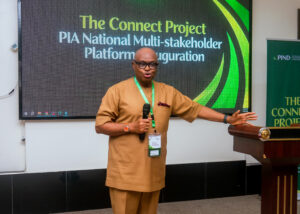
Speaking at the inauguration, PIND Executive Director, Mr. Sam Ogbemi Daibo, emphasized that the platform’s effectiveness would depend on stakeholders translating agreed priorities into practical results.
He noted that PIND would provide secretariat and technical support, while the platform’s strength would depend on the leadership, participation, and accountability of its members.
The National MSP will provide a continuing mechanism for stakeholders to identify challenges, exchange lessons, clarify responsibilities, and coordinate responses through national and state-level engagements.
By establishing a structured framework for collaboration and accountability, the Connect Project is helping strengthen the institutional foundations for effective host-community development across the Niger Delta. As the platform advances its priorities, it aims to improve HCDT governance, promote inclusive and climate-responsive planning, and support more transparent and sustainable development outcomes for host communities.