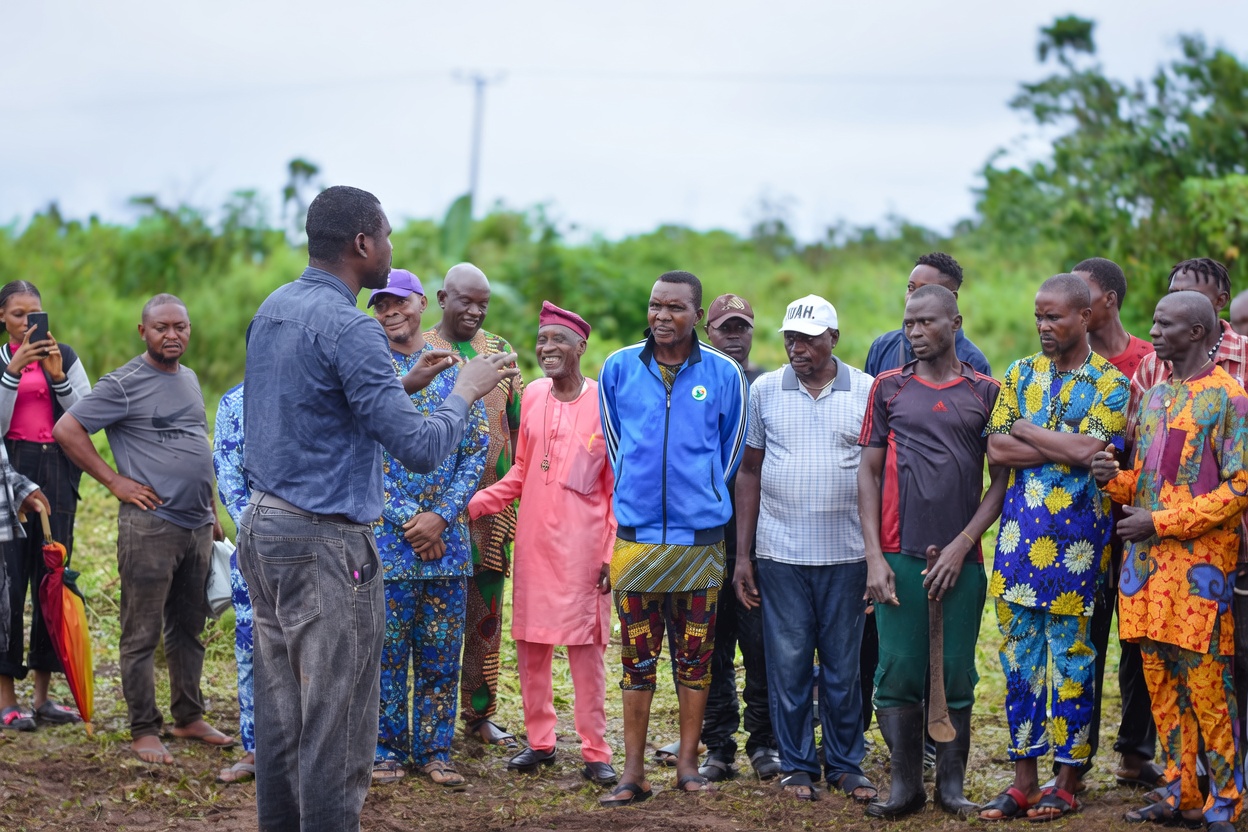


Improving agricultural productivity begins with improving access to knowledge. Across the Niger Delta, many cassava farmers continue to face challenges related to low yields, limited access to improved planting materials, and inadequate knowledge of modern production techniques. As a result, average cassava yields remain significantly below their potential, limiting incomes and reducing the profitability of farming for thousands of households.
Through the Women in Sourcing and Enterprise (WISE) Program, the Foundation for Partnership Initiatives in the Niger Delta (PIND) is helping to address this challenge by equipping women and youth farmers with the skills, knowledge, and technical support needed to adopt climate-smart and commercially viable cassava production practices.
Recognizing that sustainable productivity growth depends on strong agricultural advisory systems, PIND organized a Good Agricultural Practices (GAP) Training of Trainers for Agricultural Service Providers (ASPs) drawn from its Market Systems Development network. Facilitated by experts from the National Root Crops Research Institute (NRCRI), the training strengthened participants’ capacity to deliver practical, evidence-based support to farmers across the cassava value chain.

The training covered the full cassava production cycle, including land preparation, improved stem selection and handling, planting techniques, optimum spacing, weed management, fertilizer application, crop monitoring, harvesting, post-harvest stem preservation, and agribusiness management. These practices are designed to help farmers improve productivity, reduce production risks, and increase profitability.
To ensure that knowledge reaches farmers at scale, the WISE Program has adopted a cascading extension model that promotes continuous learning and farmer-to-farmer knowledge transfer. Under this approach, trained Agricultural Service Providers will mentor SME Field Officers, who will in turn train Lead Farmers across participating clusters. The Lead Farmers will subsequently provide hands-on support and guidance to Youth Outgrower Farmers within their communities throughout the farming season.
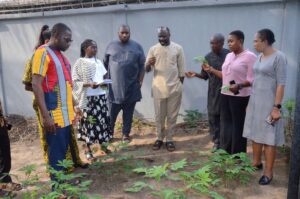
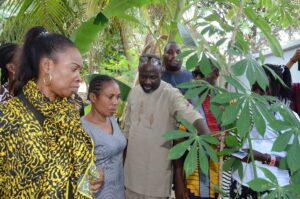
This structured learning system creates a sustainable pathway for transferring technical knowledge while ensuring that farmers receive ongoing support as they adopt improved practices. It also strengthens local capacity and reduces reliance on one-off training interventions.
The adoption of Good Agronomic Practices has the potential to significantly improve cassava productivity across participating communities. By applying improved production techniques and utilizing quality planting materials, farmers can move beyond current average yields of 8–11 tonnes per hectare and progress toward the program’s productivity target of 30 tonnes per hectare under optimal conditions.
Beyond increasing yields, the initiative is helping to build a more resilient and competitive cassava value chain—one that enables women and youth to participate more effectively in commercial agriculture, increase their incomes, and strengthen their economic independence.
By investing in knowledge, technical capacity, and locally driven learning systems, the WISE Program is laying the foundation for long-term agricultural transformation and creating pathways to dignified and fulfilling work for young women across the Niger Delta.