

A university degree provides an important foundation for a career, but for many young people, the transition from the classroom to the world of work requires more than academic qualifications. Understanding employer expectations, developing practical skills, identifying career opportunities, and building the confidence to navigate a competitive labor market are increasingly important to securing sustainable economic opportunities.
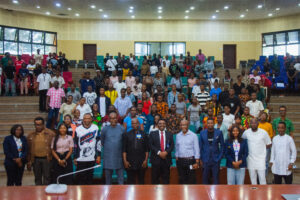
The Foundation for Partnership Initiatives in the Niger Delta (PIND), through its Youth Employment Pathways (YEP) program, recognizing this gap, partnered with the University of Port Harcourt (UNIPORT) to deliver a Job Readiness Orientation for graduating students on July 31, 2026, at the University’s Main Auditorium in Rivers State.
The orientation was delivered through a collaborative framework involving UNIPORT, TagDEV 2.0, Develop U, Reforme, and FastHire. The workshop was designed to help students prepare for the transition from academia into employment, entrepreneurship, skills development, and other economic opportunities by exposing them to practical career guidance, labor market expectations, employability skills, and emerging opportunities across selected sectors.
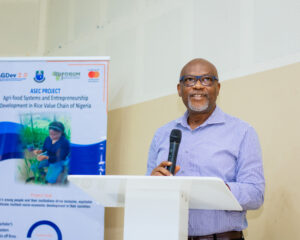
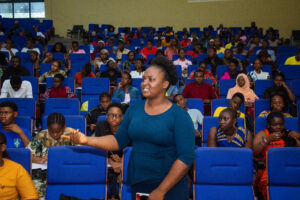
Preparing Graduates for a Changing Labor Market
Nigeria’s changing labor market increasingly requires graduates to complement academic knowledge with practical competencies, adaptability, digital skills, communication, problem-solving, and the ability to effectively position themselves for available opportunities.
The orientation, therefore, moved beyond conventional career advice to provide participants with practical guidance on navigating the early stages of their professional journeys.
Sessions covered career clarity and personal branding; CV development and job search strategies; entrepreneurship; digital skills; and opportunities in agriculture and other sectors aligned with YEP’s employment pathways.
The program also created an opportunity for students to engage directly with practitioners and industry-focused resource persons, giving them a clearer understanding of what employers look for and how they can begin preparing for the realities of the workplace.
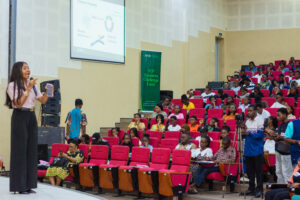

Bridging the Gap Between Degrees and Employment
A key focus of the orientation was helping students understand how to translate their academic experiences into opportunities within the labor market. Through the From Degree to Career session, participants explored career clarity, personal branding, and the mindset required to navigate the transition from university into professional life.
The CV Writing and Job Search session, delivered by FastHire, provided practical guidance on developing effective CVs, understanding job-search strategies, and presenting professional profiles that meet current recruitment expectations.
For many graduating students, these practical aspects of job seeking can determine how effectively they move from having a qualification to securing an opportunity. The program also provided participants with an opportunity to attend a career clinic and question-and-answer session, allowing them to seek guidance on their individual career interests and to better understand the steps they can take after graduation.
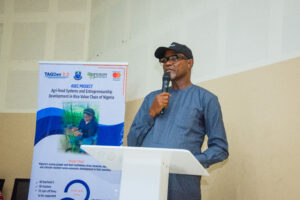

Expanding Pathways Beyond Employment
While securing formal employment remains an important aspiration for many graduates, the program also highlighted entrepreneurship, digital skills, agriculture, and other economic pathways as viable options for building sustainable livelihoods.
The entrepreneurship session introduced participants to the importance of developing a business mindset and identifying opportunities for enterprise creation. This was complemented by sector-focused discussions that demonstrated how skills and knowledge can be applied beyond traditional employment pathways.
Strengthening Partnerships for Graduate Employability
Through its partnership with UNIPORT, PIND is exploring opportunities to integrate the Job Readiness Orientation Model into existing student development programs and activities, creating potential for career-readiness support to extend beyond a single engagement.
By bringing career guidance, employability skills, entrepreneurship awareness, digital competencies, and sector opportunities closer to graduating students, the Job Readiness Orientation provides a practical bridge between what young people learn in the classroom and how they can translate that knowledge into economic opportunity.
As participants prepare to take the next step beyond university, the message is clear: a degree provides the foundation, but continuous learning, practical skills, adaptability, and the ability to recognize and pursue opportunities are essential to building a successful career.