

Partnerships play a critical role in transforming agricultural systems and creating sustainable opportunities for young people. Recognizing this, the Women in Sourcing and Enterprise (WISE) Program continues to build strategic alliances that connect farmers, businesses, researchers, and development actors to innovative solutions that can drive productivity and inclusive growth.
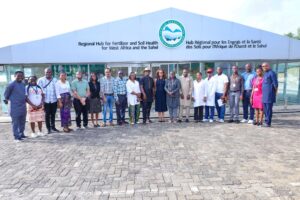
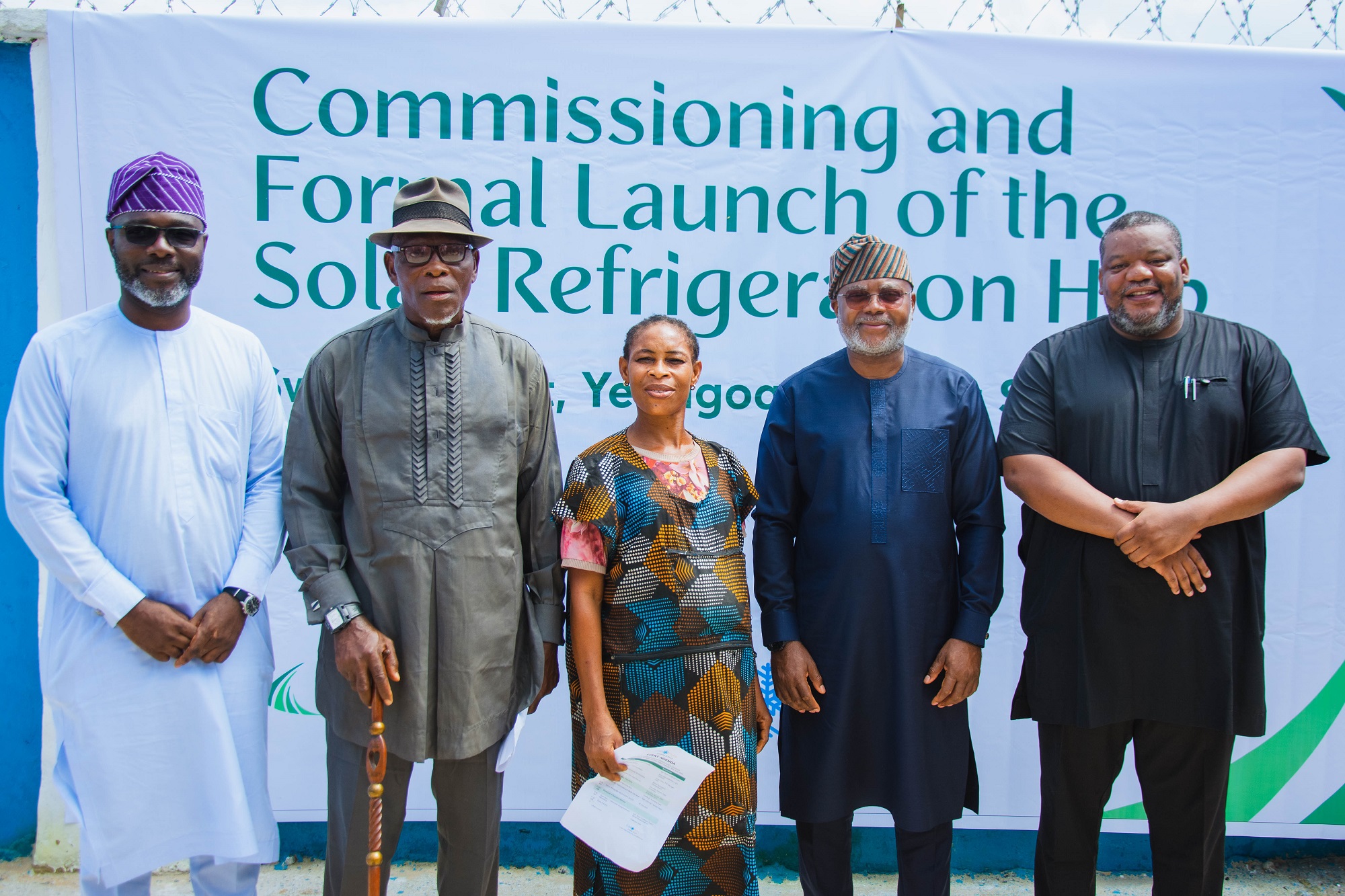
In April 2026, implementing partners of the WISE Program participated in a strategic learning visit to the International Institute of Tropical Agriculture (IITA), one of Africa’s leading agricultural research institutions. The engagement provided an opportunity to explore innovations, technologies, and collaborative approaches that can strengthen cassava production while expanding economic opportunities for young women across the value chain.
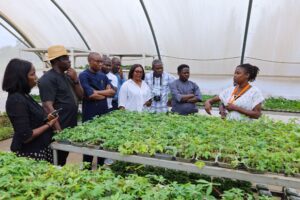
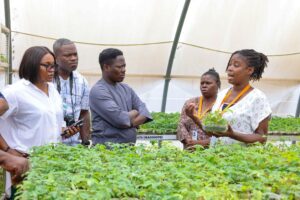
The delegation engaged with experts across IITA’s research and innovation ecosystem, gaining insights into advanced cassava breeding systems, improved seed technologies, soil health management, agricultural mechanization, youth agribusiness development, and value-added processing opportunities.
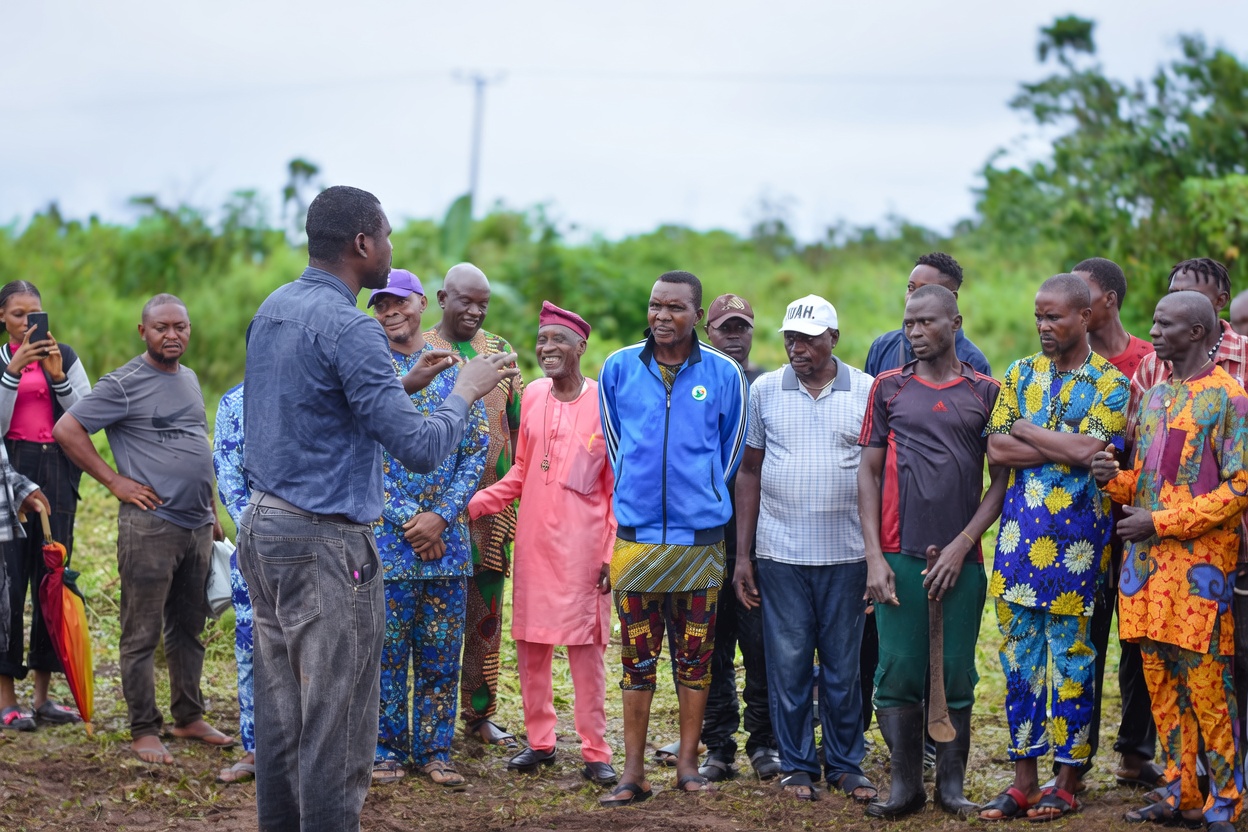
The visit resulted in a series of collaborative commitments aimed at strengthening the delivery and impact of the WISE Program. Key areas of collaboration include the introduction of early-maturing, high-yielding cassava varieties, establishment of demonstration farms, soil health mapping using geospatial technologies, capacity building for youth outgrower farmers, and the development of market opportunities for value-added cassava products.
These interventions have the potential to significantly improve productivity, increase resilience to climate-related challenges, and strengthen the competitiveness of cassava enterprises led by young women. By connecting research, innovation, and market systems, the partnership is helping bridge the gap between scientific knowledge and practical agricultural solutions.
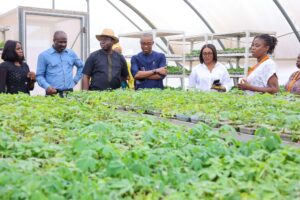
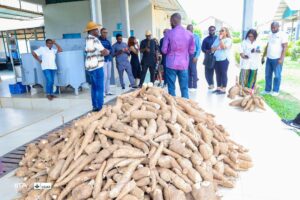
A joint technical team has been established to drive implementation and ensure that lessons and innovations are translated into measurable outcomes for participating farmers and enterprises.
The collaboration underscores the importance of partnerships in addressing the complex challenges facing agricultural development. By bringing together expertise, innovation, and market opportunities, the WISE Program is helping create a more productive, inclusive, and commercially sustainable cassava sector that can generate lasting economic opportunities for young women.
Ultimately, these efforts contribute to the program’s broader vision of creating dignified and fulfilling work for 100,000 young women through stronger agricultural systems, increased productivity, and expanded access to markets.