

Creating sustainable employment opportunities in agriculture requires more than training and access to finance. Young women entering the agricultural sector often face structural barriers such as limited access to land, inadequate mechanization services, and insecurity around farming communities. These challenges continue to constrain productivity, limit income generation, and discourage participation in commercial agriculture.
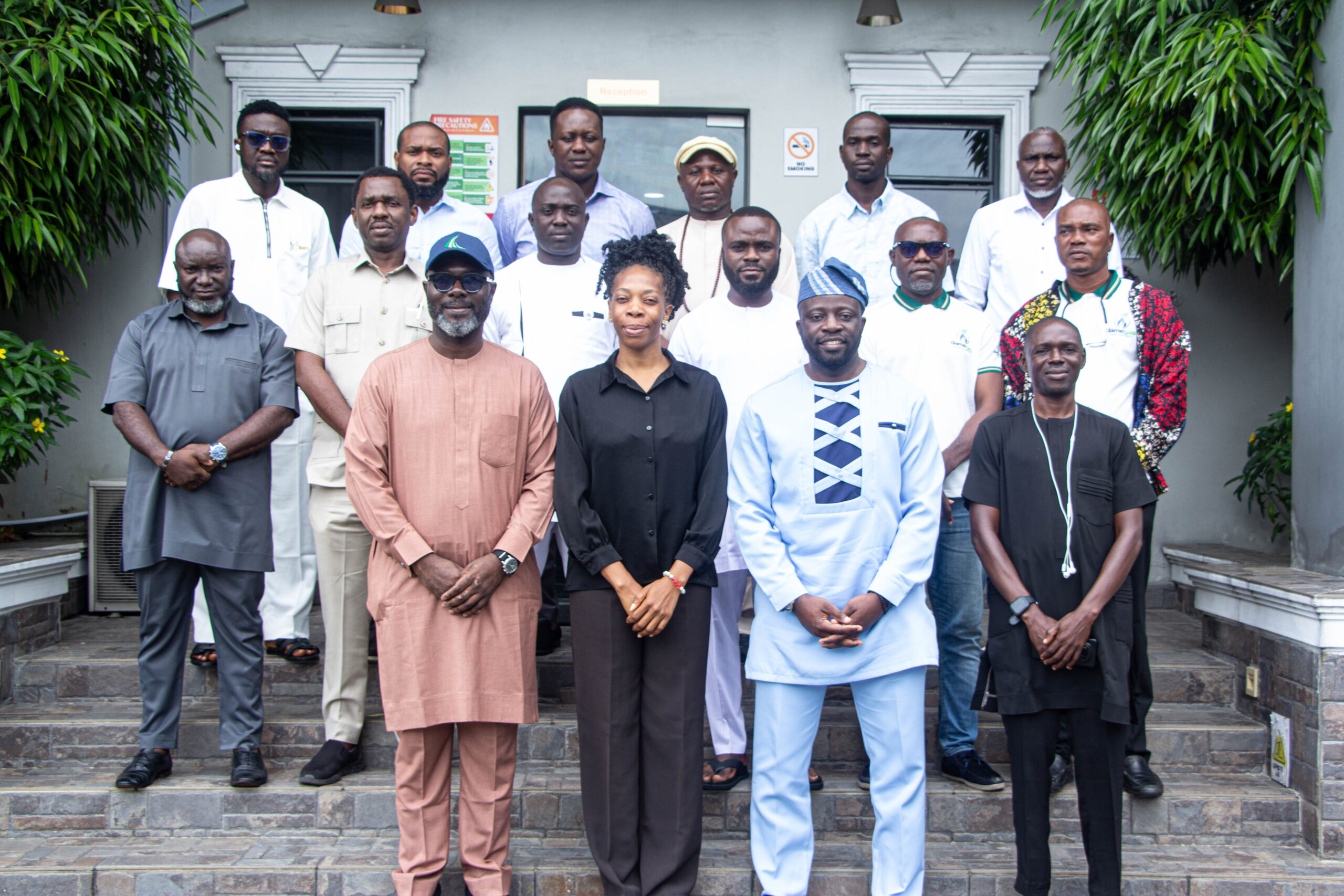
Through the Women in Sourcing and Enterprise (WISE) Program, the Foundation for Partnership Initiatives in the Niger Delta (PIND) is working with government institutions, private sector actors, and community stakeholders to address these systemic barriers and create a more enabling environment for young women in Nigeria’s cassava value chain.
Across multiple states, strategic advocacy and stakeholder engagement efforts are translating into practical solutions that improve access to productive resources and strengthen opportunities for women-led agricultural enterprises.
In Edo State, collaboration with the Ministry of Agriculture and Food Security has facilitated the deployment of tractors and mechanization equipment to WISE implementing partner Bethan Industries. This support is improving land preparation, reducing production costs, and enabling more efficient farm operations. Through additional engagement with the Edo State Skills Development Agency, young women participating in the WISE Program are also gaining improved access to farmland, creating pathways for greater participation in commercial cassava production.

In Delta State, PIND facilitated a partnership between the State Ministry of Agriculture and the Delta State Commercial Oil Palm Plantation Growers Cooperative Society (DELCOM) to make portions of cleared farmland available to young outgrower farmers. The initiative addresses one of the most significant barriers to youth participation in agriculture while supporting the expansion of sustainable cassava production.
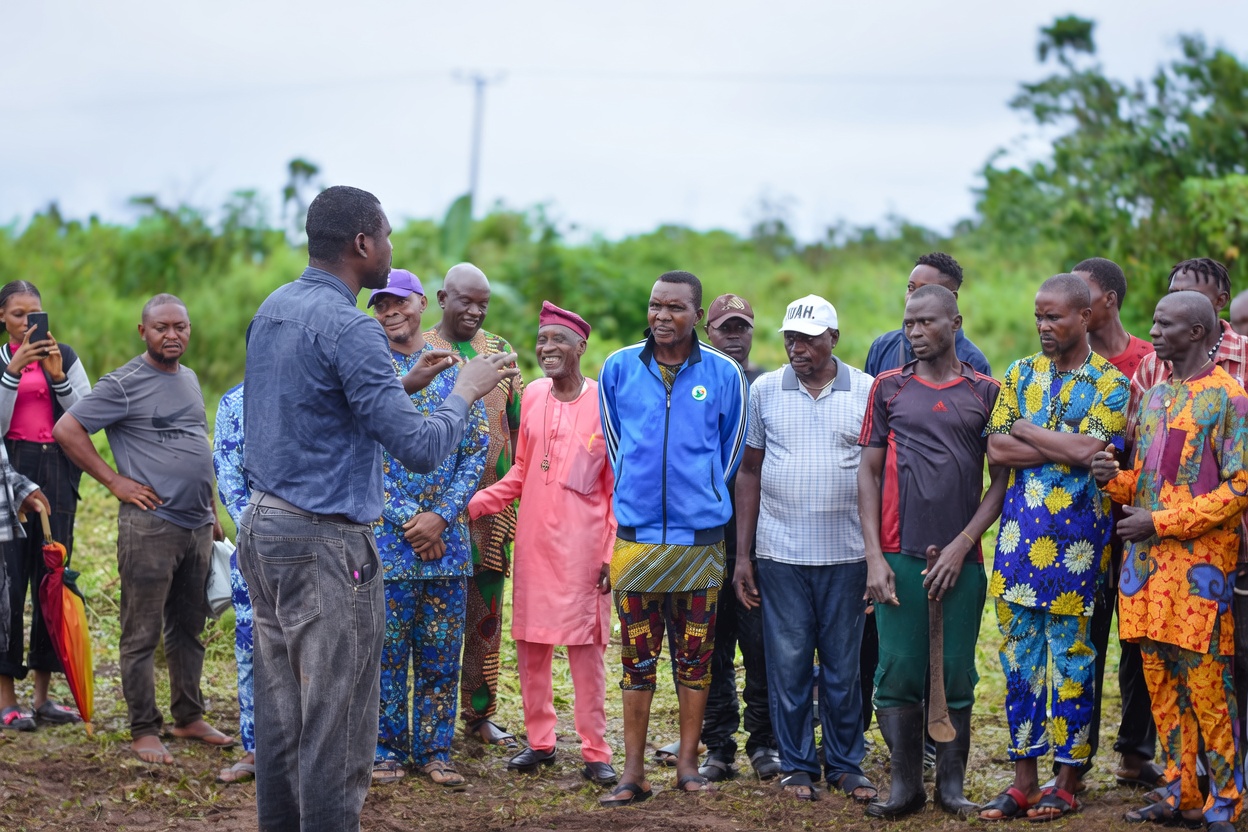
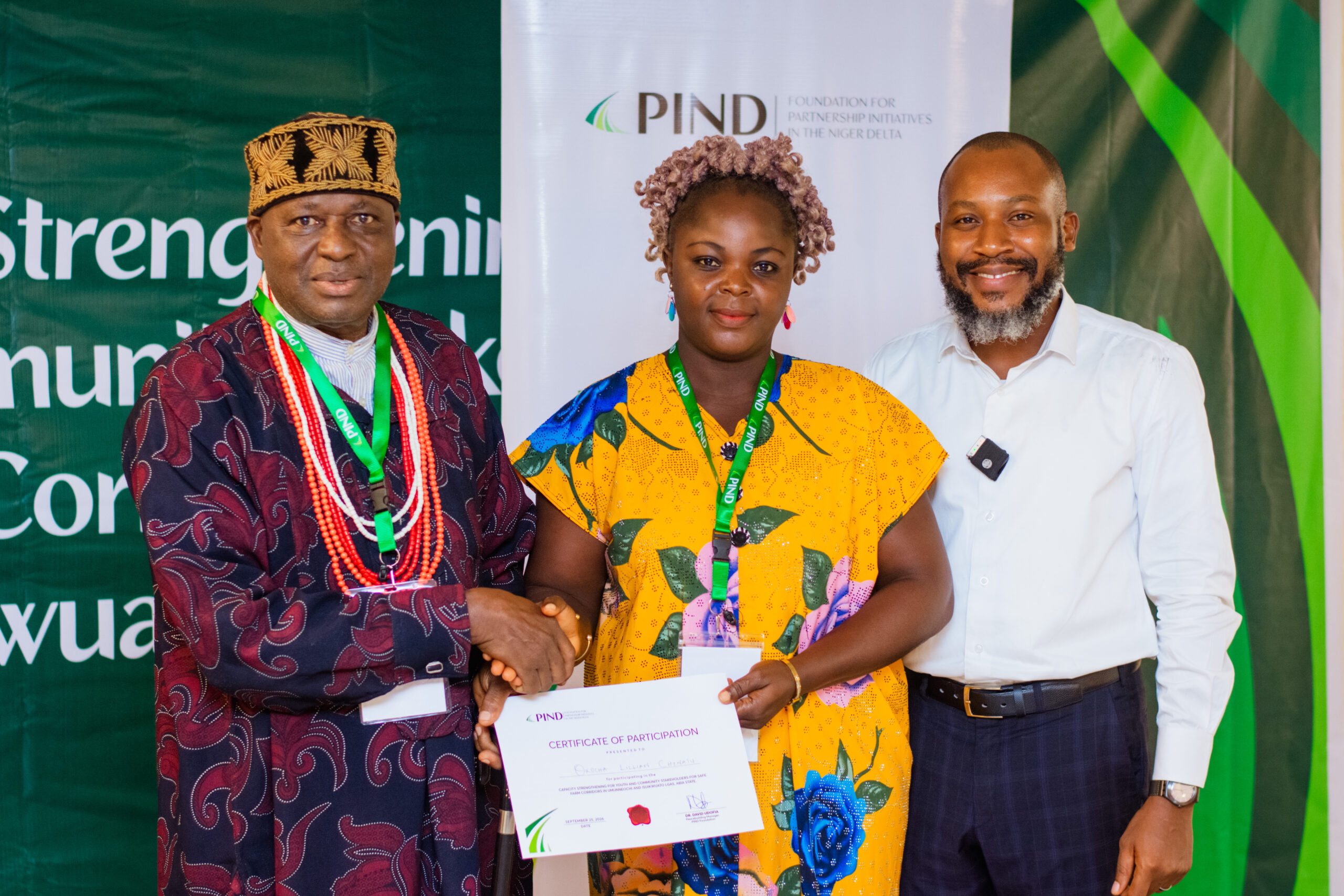
Meanwhile, in Abia State, PIND is working with government agencies, community stakeholders, and security actors to address security challenges that affect farming communities. By promoting safer environments for agricultural activities, the initiative aims to ensure that young women can cultivate their farms consistently and with greater confidence.
These interventions demonstrate the power of collaborative advocacy in driving systemic change. By improving access to land, mechanization services, and security, the WISE Program is helping create the conditions necessary for young women to increase productivity, build sustainable livelihoods, and contribute to a more resilient and inclusive cassava value chain.