

Addressing youth unemployment requires more than providing technical skills training. It demands training systems that prepare young people for the realities of the labour market by integrating employability skills, private sector partnerships, mentorship, entrepreneurship, and structured pathways into decent work.
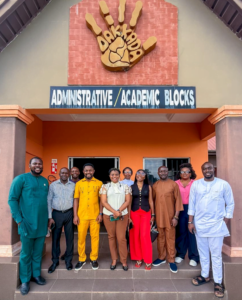
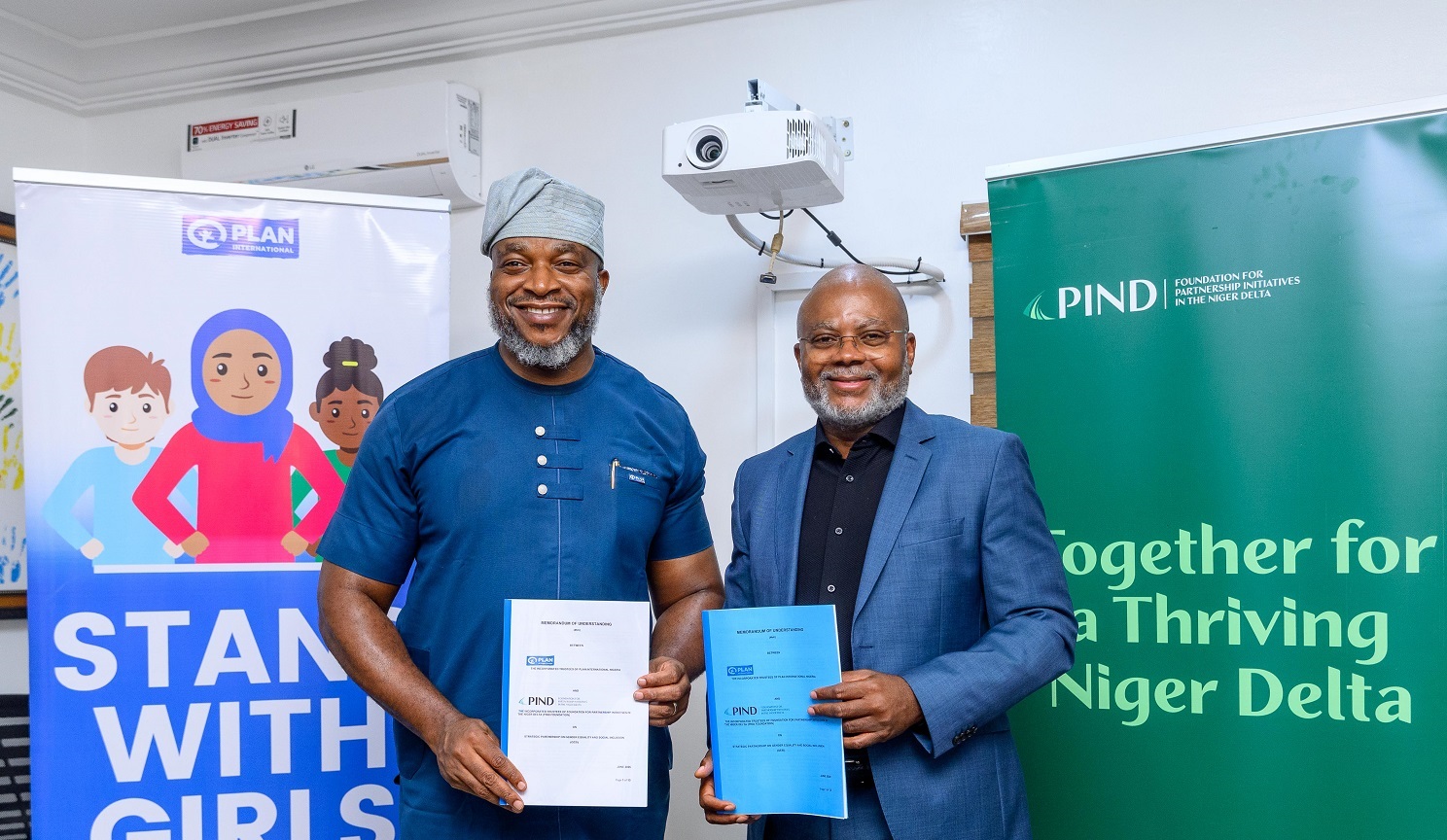
To advance this approach, the Foundation for Partnership Initiatives in the Niger Delta (PIND), through its Youth Employment Pathways (YEP) Programme, facilitated a two-day cross-learning workshop with the Dakkada Skills Acquisition Centre (DASAC), Akwa Ibom State’s flagship vocational training institution. The engagement brought together DASAC leadership and instructors with YEP implementing partners from the ICT and Building Construction sectors to exchange practical experiences, strengthen institutional capacity, and identify opportunities for adapting the YEP model within government-led skills development programmes.
Sharing a Proven Model for Youth Employment
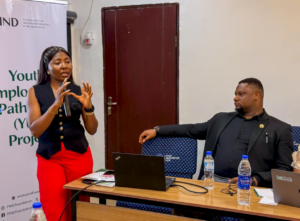
The workshop provided DASAC representatives with first-hand exposure to the market-driven principles that underpin the YEP Programme, including competency-based training, employability and soft skills integration, employer engagement, entrepreneurship support, and transition-to-work systems.
Through interactive presentations and practical discussions, implementing partners demonstrated how these approaches have helped young people successfully transition from training into employment and entrepreneurship while strengthening local skills ecosystems.
Participants also explored practical solutions to common challenges facing vocational institutions, including trainee motivation, career orientation, job placement, mentorship, and enterprise support.
Learning from Successful Industry Partnerships
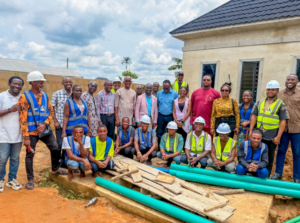
Beyond classroom sessions, participants visited YEP implementing partners, including Start Innovation Hub, Future Labs, and Azure Gold, to observe how private sector-led training models connect young people to internships, apprenticeships, certification opportunities, and employment.
The delegation also conducted an extensive assessment of DASAC’s expansive training infrastructure, spanning its nine vocational schools, integrated farms, and specialized technical workshops. This visit highlighted immediate opportunities for public-private integration; specifically, DASAC’s industrial wood-processing capabilities were identified as commercial assets that could offer precision cutting and planing services to the construction sector.
The learning visits demonstrated how employers are actively engaged throughout the training cycle rather than only after graduation, creating stronger pathways into the labour market.
Participants also interacted with programme beneficiaries and young entrepreneurs whose experiences illustrated the long-term value of combining technical competence with employability skills, mentorship, and business support. These real-life success stories reinforced the importance of industry partnerships in preparing young people for sustainable careers.
Strengthening Government Training Systems
One of the workshop’s most significant outcomes was the identification of practical opportunities for DASAC to strengthen its existing training model by adapting key components of the YEP approach.
Areas identified for collaboration include integrating employability and soft skills into technical programmes, strengthening orientation and career guidance, developing structured internship and job placement systems, enhancing mentorship frameworks, and exploring innovative enterprise support models such as the YEP Challenge Fund.
The engagement also established a roadmap for continued collaboration, including technical support, curriculum sharing, Training of Trainers sessions, and follow-up engagements to support implementation.
Building Sustainable Pathways to Employment
The cross-learning workshop reflects PIND’s broader commitment to strengthening institutions that can sustainably deliver quality youth employment programs across the Niger Delta.
By supporting government training institutions to adopt market-driven approaches and strengthen collaboration with the private sector, PIND is helping create more responsive Technical and Vocational Education and Training (TVET) systems that equip young people with the skills, experience, and opportunities needed to succeed in an evolving economy.
As implementation of the agreed actions progresses, the partnership between PIND and DASAC is expected to strengthen youth employability, improve transition-to-work outcomes, and contribute to more inclusive economic growth across Akwa Ibom State and the wider Niger Delta.