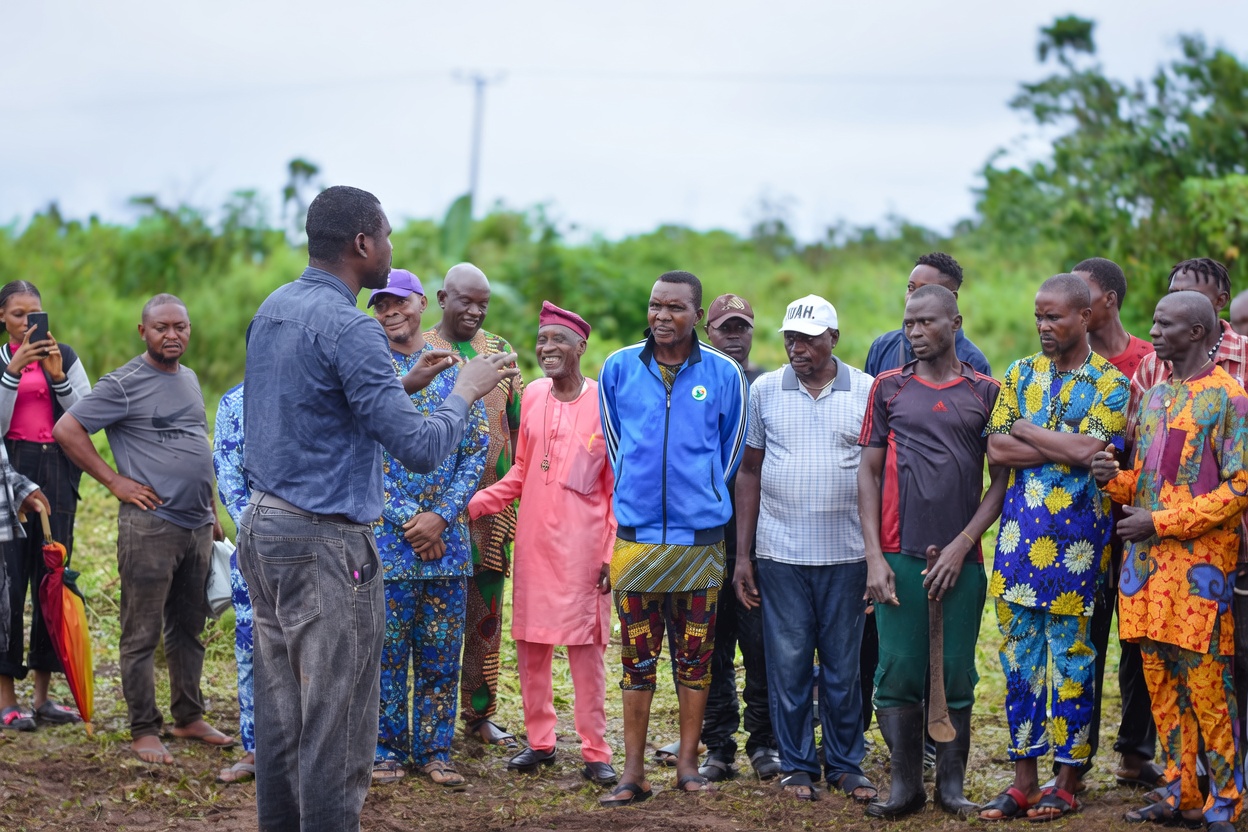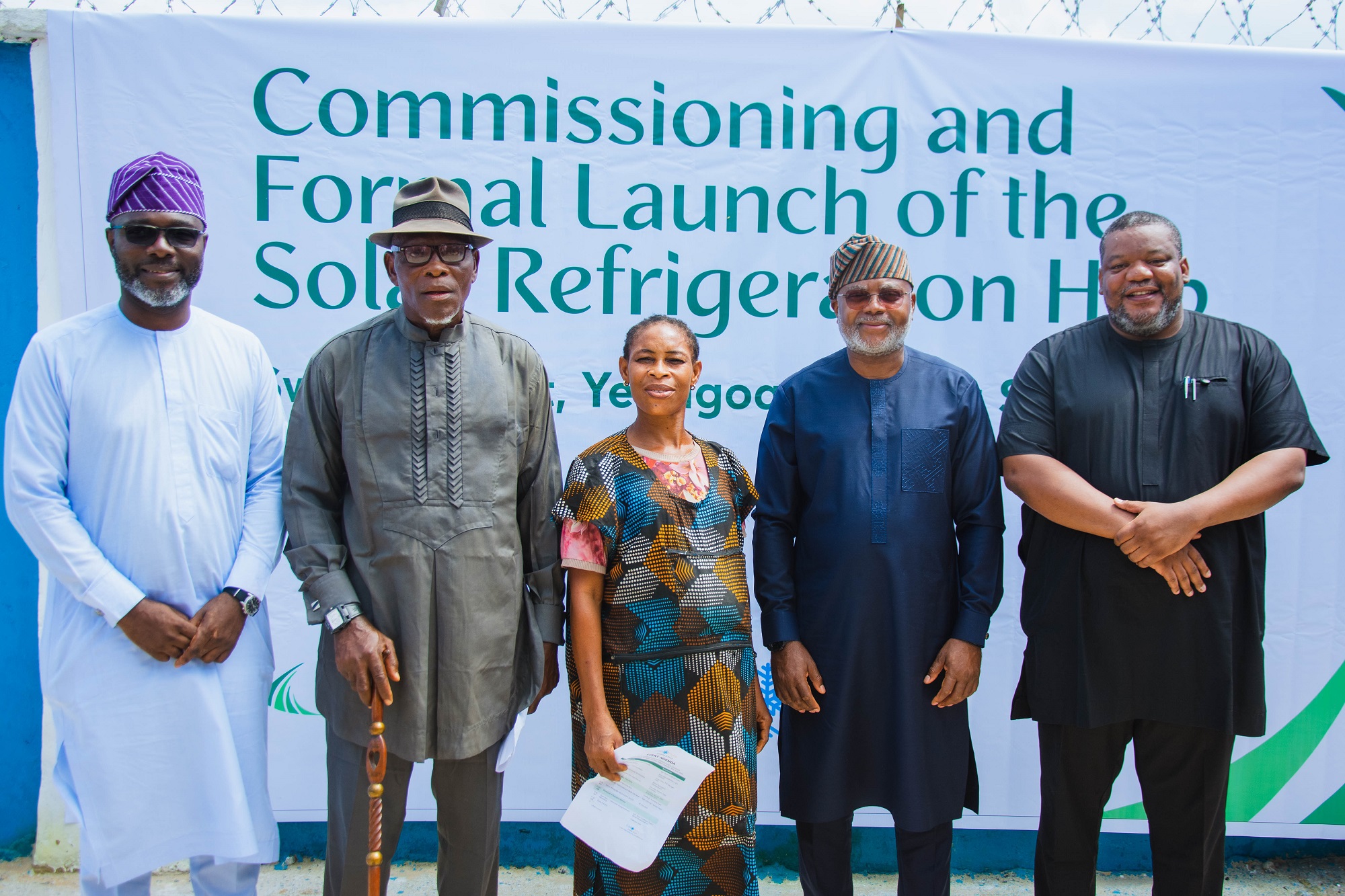


Strong local enterprises are critical to building sustainable agricultural value chains and creating meaningful economic opportunities for young women. Recognizing this, the Women in Sourcing and Enterprise (WISE) Program has onboarded 10 Small and Medium Enterprises (SMEs) to drive implementation of its cassava outgrower model across six states in the Edo/Delta Cluster: Delta, Edo, Akwa Ibom, Bayelsa, Abia, and Ondo.
The selected SMEs will play a central role in integrating young women, persons with disabilities, and other vulnerable groups into commercially viable cassava production systems, helping to strengthen local economies while expanding opportunities for dignified employment.
To prepare the SMEs for successful implementation, PIND organized an intensive proposal development and business planning write-shop designed to strengthen both technical and institutional capacity. The training supported participating enterprises in developing milestone-driven implementation plans while enhancing their skills in business model development, financial management, market analysis, regulatory compliance, monitoring and evaluation, sustainability planning, and impact measurement.
The collaborative process ensured that each SME developed a practical roadmap aligned with the objectives of the WISE Program and the realities of local market systems. More importantly, it established a common standard for quality delivery, accountability, and long-term sustainability across all implementing partners.
With implementation now underway, the SME network provides a strong platform for scaling inclusive cassava production and increasing market participation for young women across the Niger Delta. By strengthening local enterprises and positioning them as drivers of agricultural growth, the WISE Program is building sustainable pathways to employment, entrepreneurship, and economic inclusion.
As these enterprises expand their operations and support thousands of outgrower farmers, they will contribute to a more competitive, resilient, and inclusive cassava value chain capable of generating lasting economic opportunities across the region.