

Creating safer agricultural communities requires more than increased security presence. It also requires young people who can contribute to conflict prevention, stronger community structures, and better collaboration among stakeholders to identify and respond to emerging risks. Recognizing this, the Foundation for Partnership Initiatives in the Niger Delta (PIND), through the Women in Sourcing and Enterprise (WISE) Program, is strengthening community-led peace and security systems around agricultural corridors in Umuneochi and Isuikwuato Local Government Areas of Abia State.
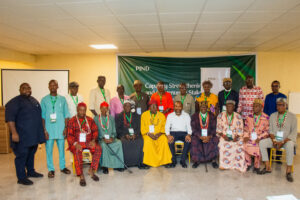
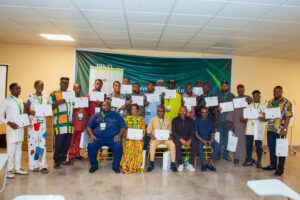
As part of the Community Peace and Security Initiative for Safe Farm Corridors, PIND conducted a capacity-building workshop for youth-at-risk on September 23, 2026, and a peace and security training on September 25, bringing together community stakeholders, security actors, youth representatives, Prevent Council members, and Von Foods to strengthen local capacity for preventing and responding to security risks affecting farming communities.
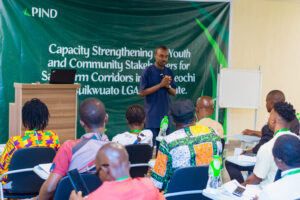

Building Youth Capacity for Peace
The intervention builds on PIND’s earlier engagement with the Abia State Government, security agencies, and other stakeholders to improve coordination and develop practical security arrangements for WISE farm corridors. The recent capacity-building workshop for youth-at-risk focused on strengthening young people’s understanding of conflict prevention and their role in promoting peaceful communities.
Participants were introduced to practical approaches to mindset change, conflict early warning, peacebuilding, and conflict analysis, equipping them with skills to identify emerging tensions and contribute to community-based prevention efforts.
The training also introduced participants to the Prevent Council, providing a pathway for trained youth to connect with an existing community peacebuilding structure and contribute to dialogue, awareness, and information sharing within their communities.
By engaging young people, particularly those who may be vulnerable to involvement in violence, the intervention seeks to strengthen their capacity to become peace actors within their communities while creating stronger community ownership of peace and security responses.


Strengthening Collaboration Around Farm Corridors
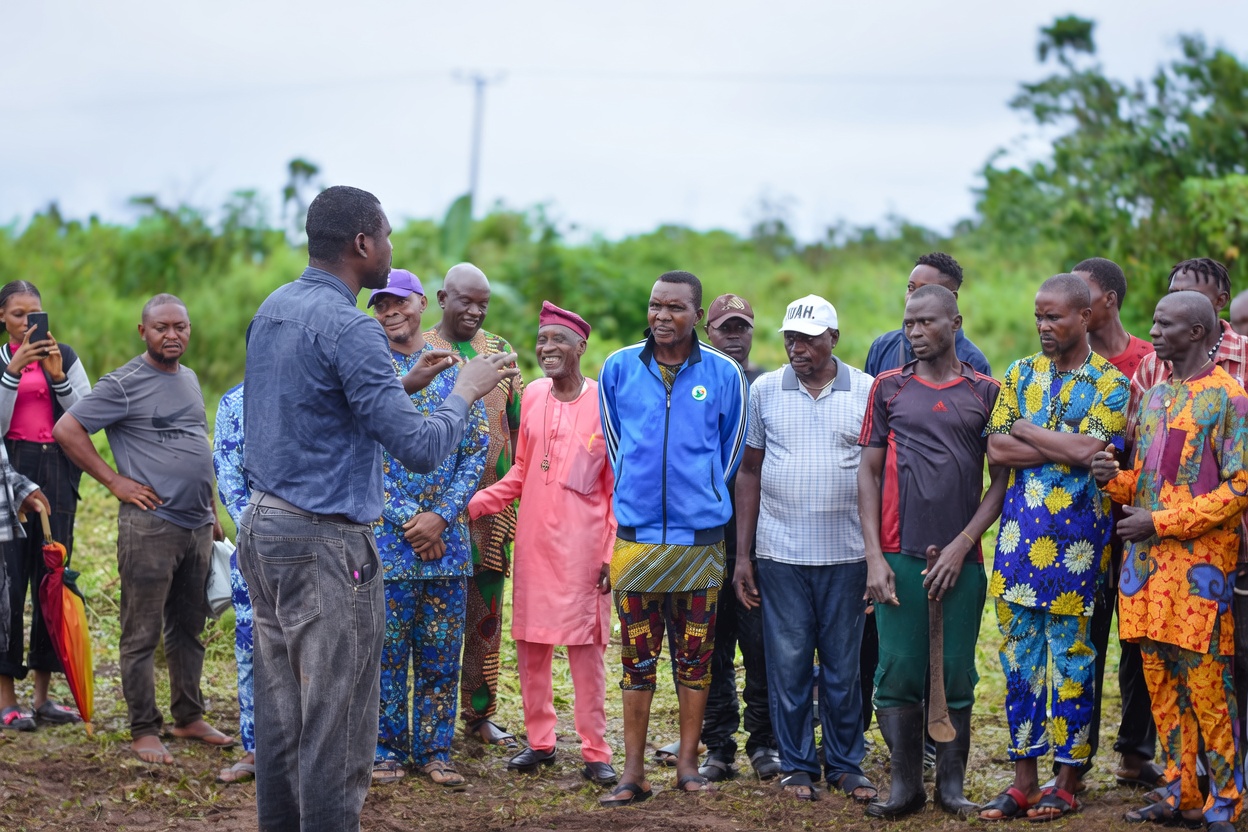
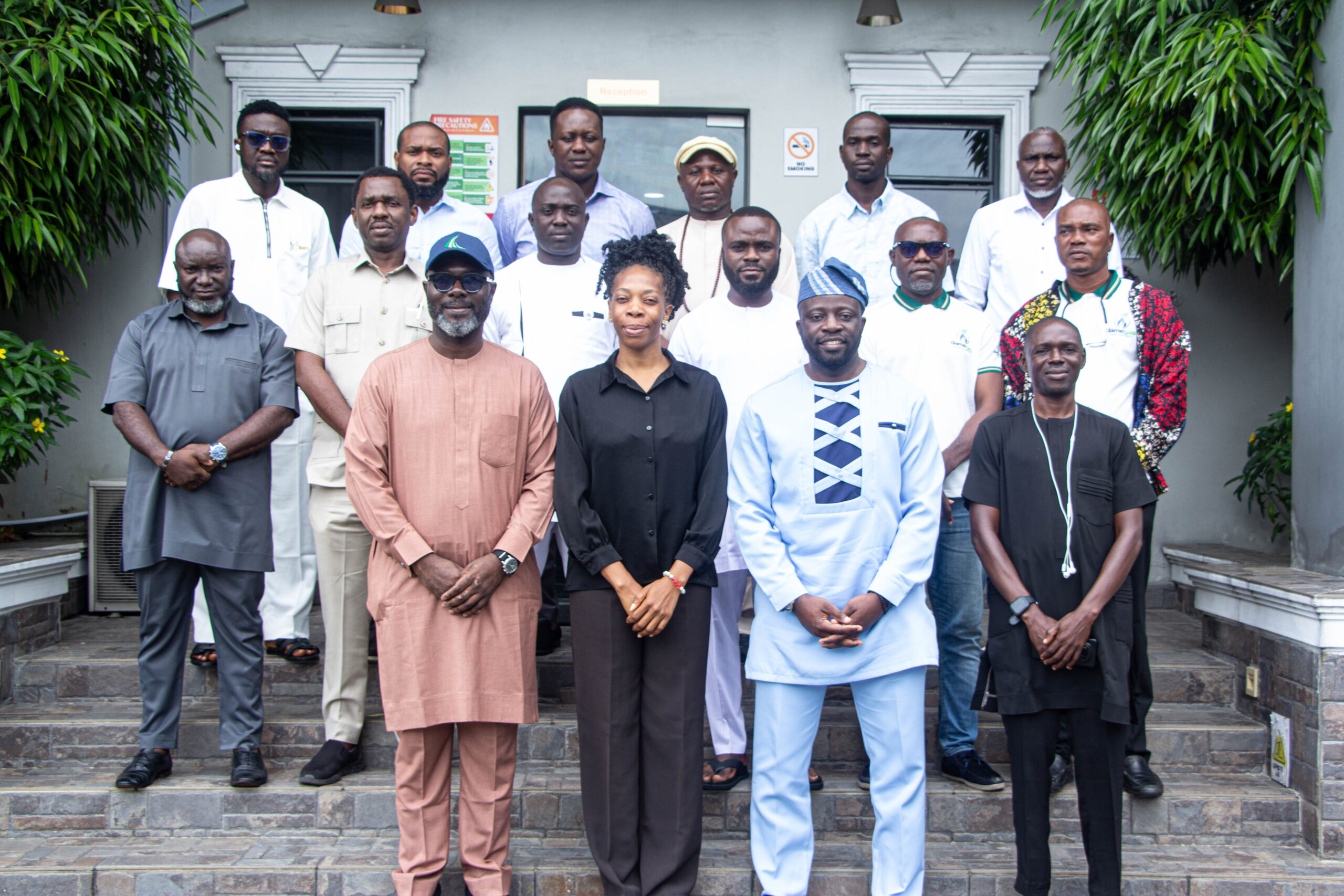
The second engagement, held on September 25, brought together Prevent Council members, security agencies, community representatives, youth leaders, local vigilante groups, and Von Foods for a peace and security training focused on collaborative approaches to community safety.
Participants examined practical approaches to improving communication, strengthening coordination, and responding to security concerns affecting agricultural communities.
The engagement also provided an opportunity for stakeholders to review security actions and strengthen collaboration between communities and security agencies. This is particularly important in Umuneochi and Isuikwuato, where insecurity has affected access to farmland, disrupted agricultural operations, and created uncertainty for farmers and other actors supporting the WISE program.


Supporting Safer Participation in Agriculture
The Community Peace and Security Initiative is part of PIND’s broader effort to address the conditions that can limit participation in economic opportunities.
Through the WISE Program, young women are being supported to participate in the cassava value chain as Youth Outgrower Farmers. However, the sustainability of these opportunities depends partly on whether farmers can safely access and work on their farms.
The peace and security intervention therefore complements WISE’s economic objectives by strengthening the local systems needed to create safer conditions for agricultural activity.
By connecting youth, communities, security actors, government institutions, and private-sector stakeholders, the initiative promotes shared responsibility for addressing security risks and supporting peaceful coexistence around farming communities.

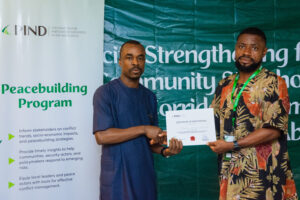
Institutionalizing Community-Led Peacebuilding
Beyond the individual training sessions, PIND is integrating the intervention into existing peacebuilding structures, including the Prevent Council and Partners for Peace in the Niger Delta (P4P), to support continuity beyond the project period.
The approach is intended to strengthen local capacity for early identification of emerging threats, improve information sharing, and encourage timely responses before security concerns escalate into wider disruption.
As trained youth begin to apply their knowledge and stakeholders strengthen coordination around the farm corridors, the initiative is expected to contribute to improved community confidence, safer access to farmland, and stronger collaboration among actors responsible for peace and security.
Through the Safe Farm Corridors initiative, PIND is working to strengthen the link between peace and economic participation, helping create conditions where young women and other farmers can participate more safely in agricultural opportunities and communities can take a more active role in sustaining peace.