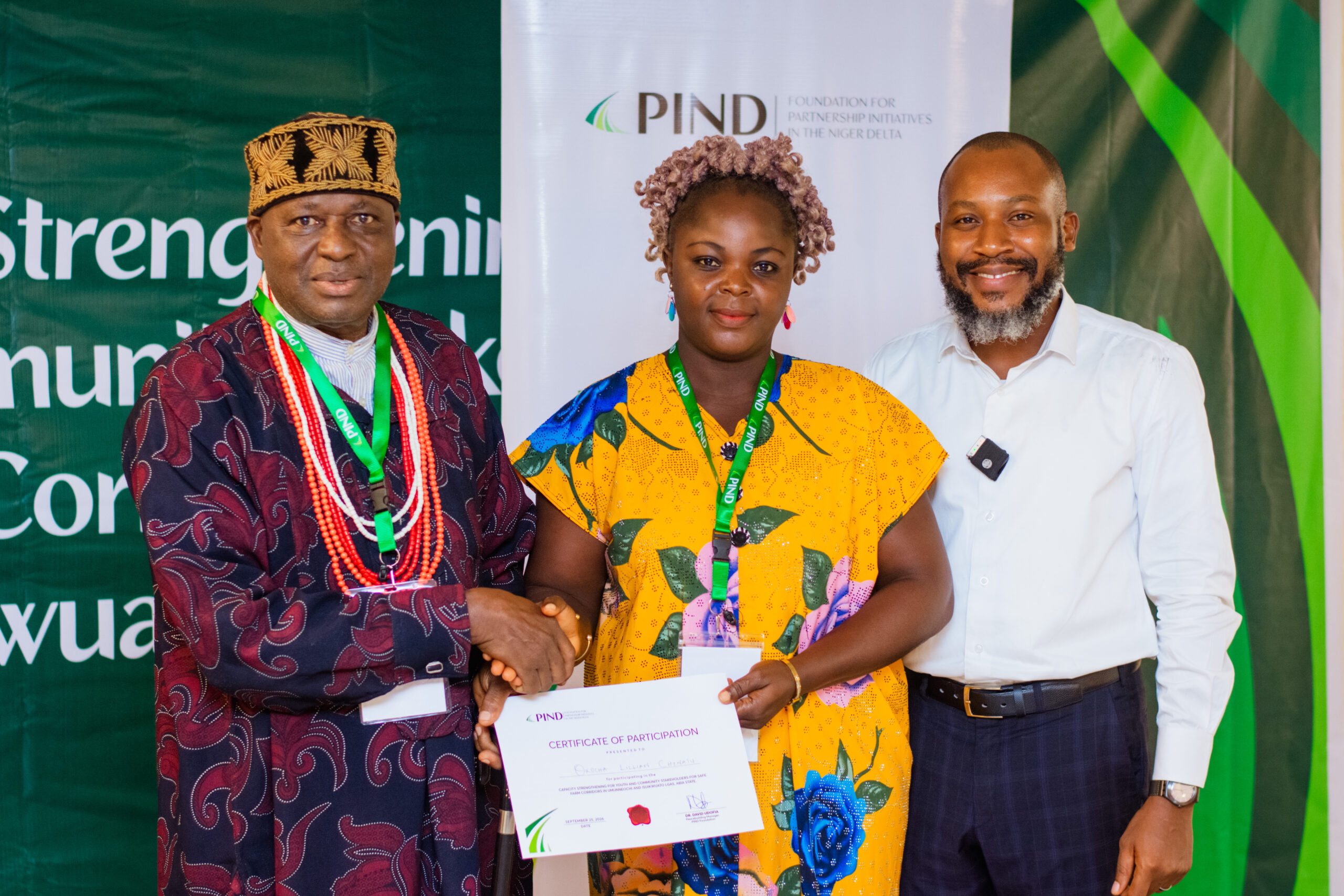


Strengthening Host Community Development Trusts (HCDTs) requires more than understanding the provisions of the Petroleum Industry Act (PIA). It requires capable institutions, informed communities, accountable systems, and sustained collaboration among the actors responsible for turning the law into meaningful development outcomes.
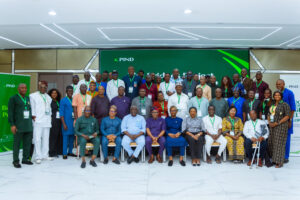
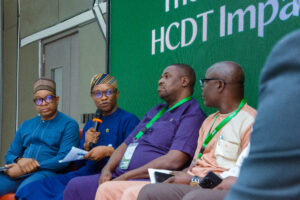
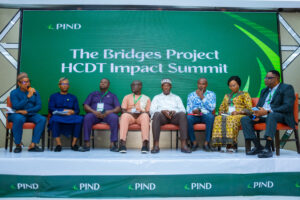
Recognizing this, the Foundation for Partnership Initiatives in the Niger Delta (PIND), in collaboration with the Ford Foundation, convened regulators, HCDTs, oil and gas companies, government, and civil society organizations at the Bridges Project HCDT Impact Summit to consolidate lessons from four years of implementation and identify practical steps for sustaining progress beyond the project.
Held in Port Harcourt on September 18, 2026, under the theme, “From Evidence to Sustainability: Consolidating HCDT Gains and Advancing Effective PIA Implementation,” the Summit provided a platform to examine what has changed, what has been learned, and what needs to continue as stakeholders take forward the gains of the Bridges Project.


From Learning to Practice
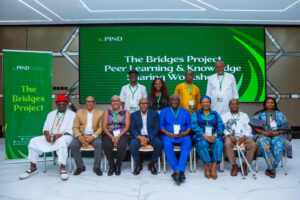
The Summit was preceded by a Peer-to-Peer Knowledge Sharing Forum on September 17, which brought together HCDT representatives from five Niger Delta states to exchange experiences and reflect on the realities of implementing the HCDT framework in their communities.
The forum provided an opportunity for participants to discuss common challenges, share approaches, and identify practical ways to strengthen their governance, community engagement, planning, and accountability systems.
By creating space for HCDTs to learn directly from one another, the forum reinforced an important aspect of the Bridges Project: that practical experience is a critical source of knowledge for improving HCDT implementation. The lessons emerging from these peer exchanges helped set the context for the Impact Summit, where the conversation expanded beyond individual HCDT experiences to the wider systems and relationships required to sustain progress.
Consolidating Four Years of Learning
The Bridges Project has supported efforts to strengthen understanding and implementation of the PIA and its HCDT provisions across the Niger Delta since implementation in 2022. Through awareness-raising, capacity strengthening, and Multi-Stakeholder Platforms, the project has supported the operationalization of HCDT, participatory development planning, improved governance practices, and stronger collaboration among communities, regulators, settlors, and civil society organizations.
At the HCDT Impact Summit, participants examined evidence generated through the project, including outcome-harvesting findings, the HCDT Impact Evidence Report, case studies, and other knowledge products. The engagement provided a forum for reflecting on changes recorded at the community level, while also identifying institutional challenges that still require attention.
Speaking at the Summit, PIND’s Programs Director, Dr. Effiong Essien, emphasized that the sustainability of the project’s gains would depend on the ownership and commitment of stakeholders. “The progress made by HCDTs must translate into stronger institutions, better community participation, and more accountable development. Sustainability now depends on stakeholders taking ownership of the tools, relationships, and practices that have been built, and committing the resources and leadership required to keep them working,” he said.
Strengthening HCDT Systems
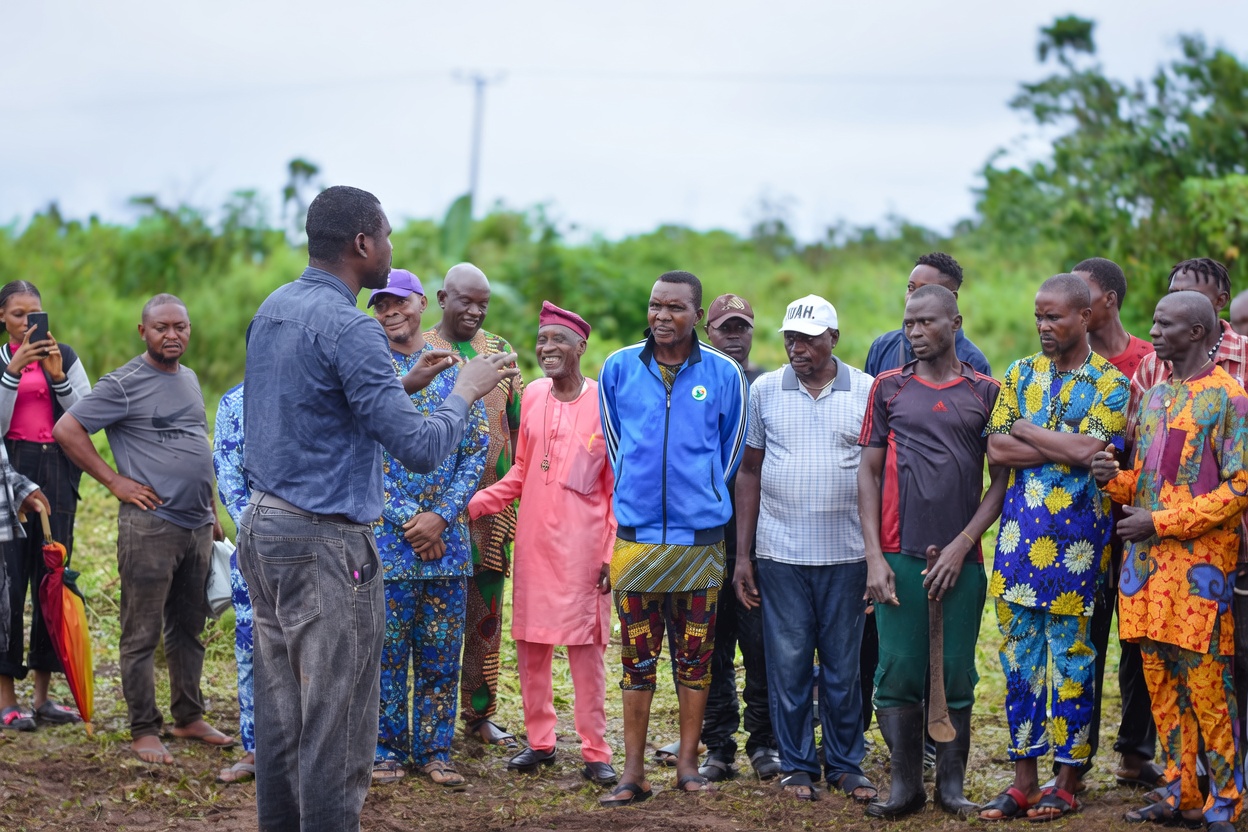
The Summit also provided an opportunity for selected HCDTs to share evidence of changes achieved through the project and reflect on the challenges that remain.
Mr. Smart Okpara, Chairman of Emuoha HCDT, said the project had strengthened the Trust’s ability to plan, engage stakeholders, and account for development results. “Bridges has given us practical tools to improve our governance, involve our communities in decision-making and track the results of our development investments. Our responsibility now is to keep using these systems and ensure that the progress continues beyond the project,” he said.
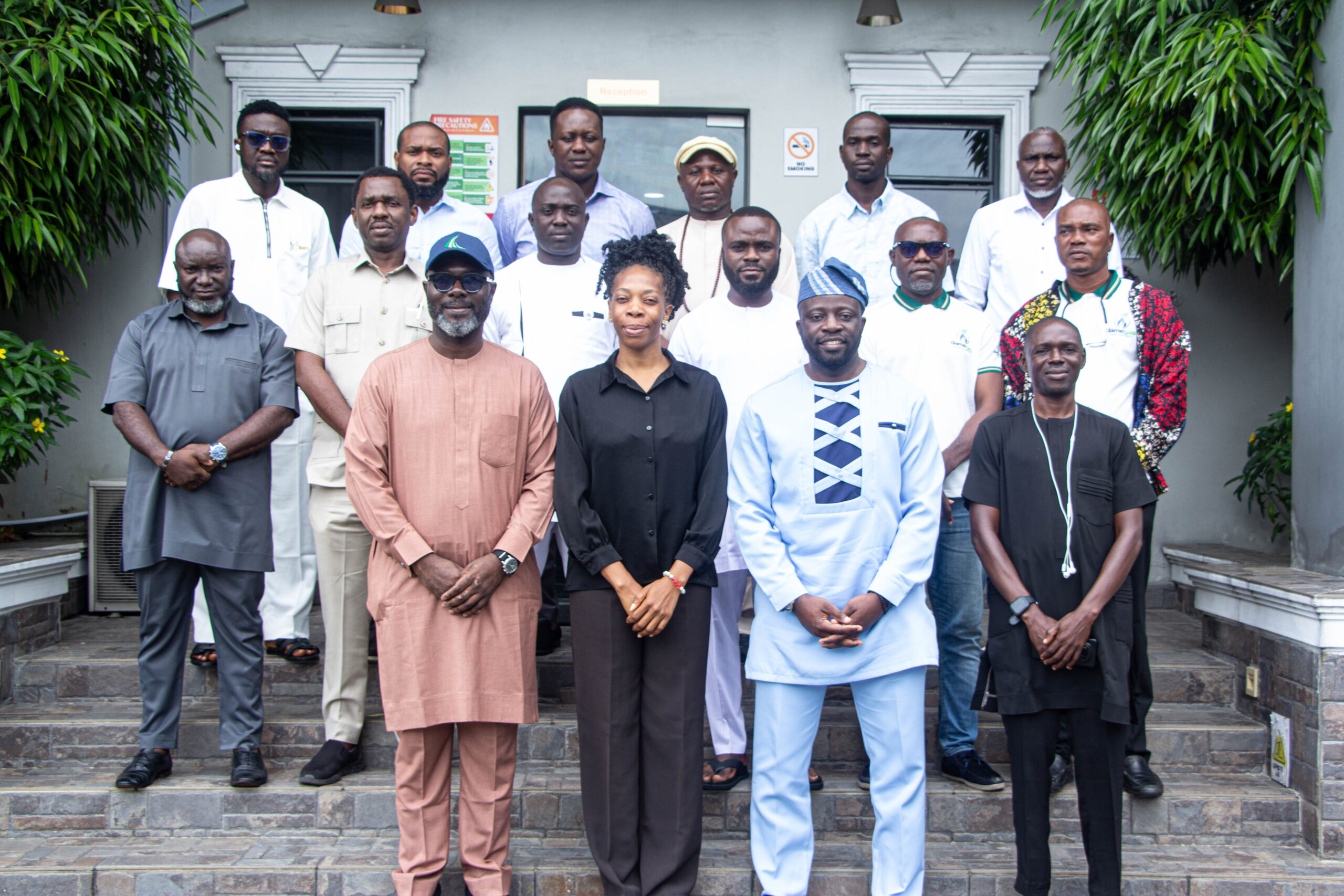
The reflections from HCDTs were complemented by contributions from regulators, settlors and civil society organizations, highlighting the shared responsibility required to strengthen the implementation of the PIA.
Representing the Nigerian Upstream Petroleum Regulatory Commission (NUPRC), Mr. Kingsley Ehiaguina, Deputy Director, noted that lessons from the project could support improved HCDT performance and compliance.“Effective implementation of the PIA requires HCDTs that are transparent, accountable, and responsive to their host communities. The lessons emerging from the Bridges Project provide a useful basis for improving practice, strengthening stakeholder coordination and sustaining compliance,” he said.

Turning Lessons Into a Sustainability Framework
A major outcome of the Summit was the development of a Sustainability Framework to guide the continuation of key practices beyond the project.
The framework outlines proposed responsibilities around governance strengthening, monitoring and evaluation, peer learning, knowledge management, capacity development and stakeholder coordination. Participants also validated a communiqué capturing priority recommendations, commitments, responsible actors and next steps.
Together, these outputs provide a practical pathway for stakeholders to move from project learning to continued action. PIND will consolidate the commitments into an action tracker, circulate the final communiqué and Summit report, and share the project’s evidence and knowledge products with participating institutions. The validated lessons will also inform the Bridges Project’s final impact narrative and future support for HCDTs.
Building on the Gains
The close of the Bridges Project marks an important stage in the evolution of HCDT implementation across the Niger Delta. As HCDTs continue to assume responsibility for community development under the PIA, the experience gained through the project provides practical lessons on the importance of effective governance, community participation, accountability, and collaboration.
The two-day engagement in Port Harcourt reflected this progression. The Peer-to-Peer Knowledge Sharing Forum created a space for HCDTs to learn from their own experiences and from one another. The Impact Summit then brought the wider ecosystem together to examine the evidence, consolidate lessons, and establish practical commitments for sustaining the gains.
By placing sustainability at the center of its close-out, the Bridges Project has shifted the focus from what has been achieved to how those achievements can continue to strengthen HCDT practice.
The responsibility now extends beyond the project to the communities, institutions, and stakeholders that will continue to shape how HCDTs function and how the development promise of the PIA is realized across the Niger Delta.