

For many young people across the Niger Delta, acquiring an education or technical skill does not automatically translate into employment or a sustainable livelihood. Limited access to labor market information, professional networks, workplace experience, and opportunities to apply acquired skills can make the transition from learning to earning challenging.
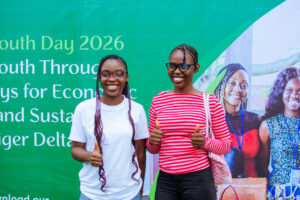
To explore practical ways to bridge this gap, the Foundation for Partnership Initiatives in the Niger Delta (PIND) brought together young people and key stakeholders in Yenagoa, Bayelsa State, on August 12, 2026, to commemorate International Youth Day (IYD).
Held under the global theme, Youth Empowerment for a Sustainable Future, and PIND’s sub-theme, Empowering Youth Through Career Pathways for Economic Development and Sustainable Peace in the Niger Delta, the engagement connected young people with employers, government institutions, skills development providers, development organizations, academia, Host Community Development Trusts (HCDTs), and private-sector actors.
The event provided participants with career information, industry insights, networking opportunities, and practical examples of young people who have transitioned from skills acquisition into employment and enterprise.


Moving Beyond Skills Acquisition
For PIND, youth empowerment goes beyond training young people. It also means creating connections that help them apply their skills and access economic opportunities.
Speaking on behalf of PIND’s Executive Director, Mr. Sam Ogbemi Daibo, Youth Employment Pathways (YEP) Manager, Mr. Patrick Ekpe, reaffirmed PIND’s commitment to strengthening pathways that connect young people to economic opportunities and contribute to peaceful communities.
Delivering the keynote address, Prof. Ogaga Augustine Aghoghovwia, Dean, Faculty of Agriculture, Niger Delta University, further highlighted the importance of preparing young people to navigate changing economic opportunities.
The event brought this approach to life through career guidance, employer engagement, sector-specific discussions, and peer learning.
Exploring Opportunities in Emerging Sectors
The Career Pathways for Economic Development in Emerging Sectors session introduced participants to opportunities across ICT, innovation and digital entrepreneurship, construction and technical trades, fashion, hospitality and services, agriculture and agribusiness.
Industry practitioners and skills development partners provided practical insights into the skills required, entry points into these sectors, and opportunities for employment and enterprise.
The discussion continued during the panel session, From Learning to Earning: Connecting Youth to Real Economic Opportunities. Panelists from HCDTs, youth representatives, recruitment, and renewable energy discussed employer expectations, workplace readiness, internships, apprenticeships, and entrepreneurship support.

Showcasing Pathways from Skills to Livelihoods
PIND’s wider youth and economic development initiatives also featured prominently at the event.
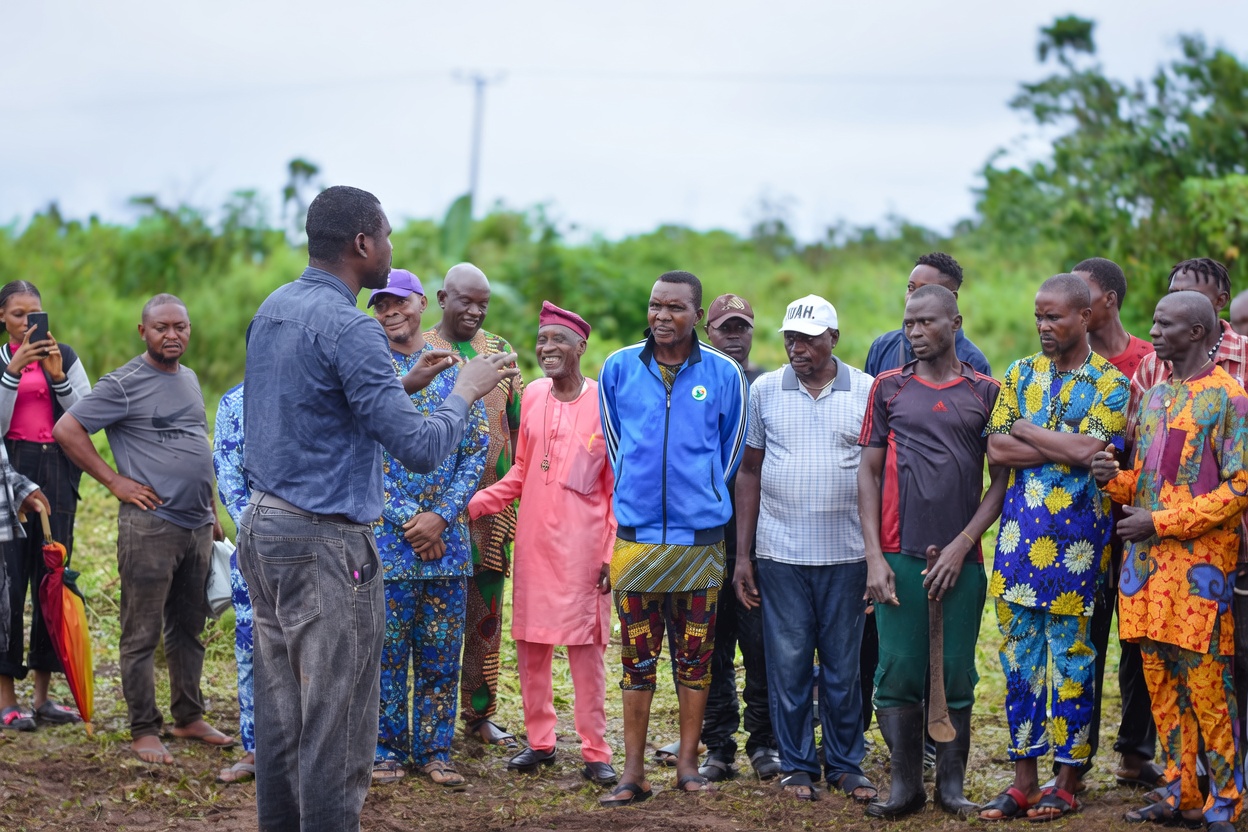
Through the Mastercard Foundation-funded Women in Sourcing and Enterprise (WISE) Program, PIND’s implementing partners showcased opportunities within the cassava value chain. Participants were introduced to how young people can participate not only in farming, but also in cassava processing, value addition, and agribusiness—turning agricultural production into viable businesses and income-generating opportunities.
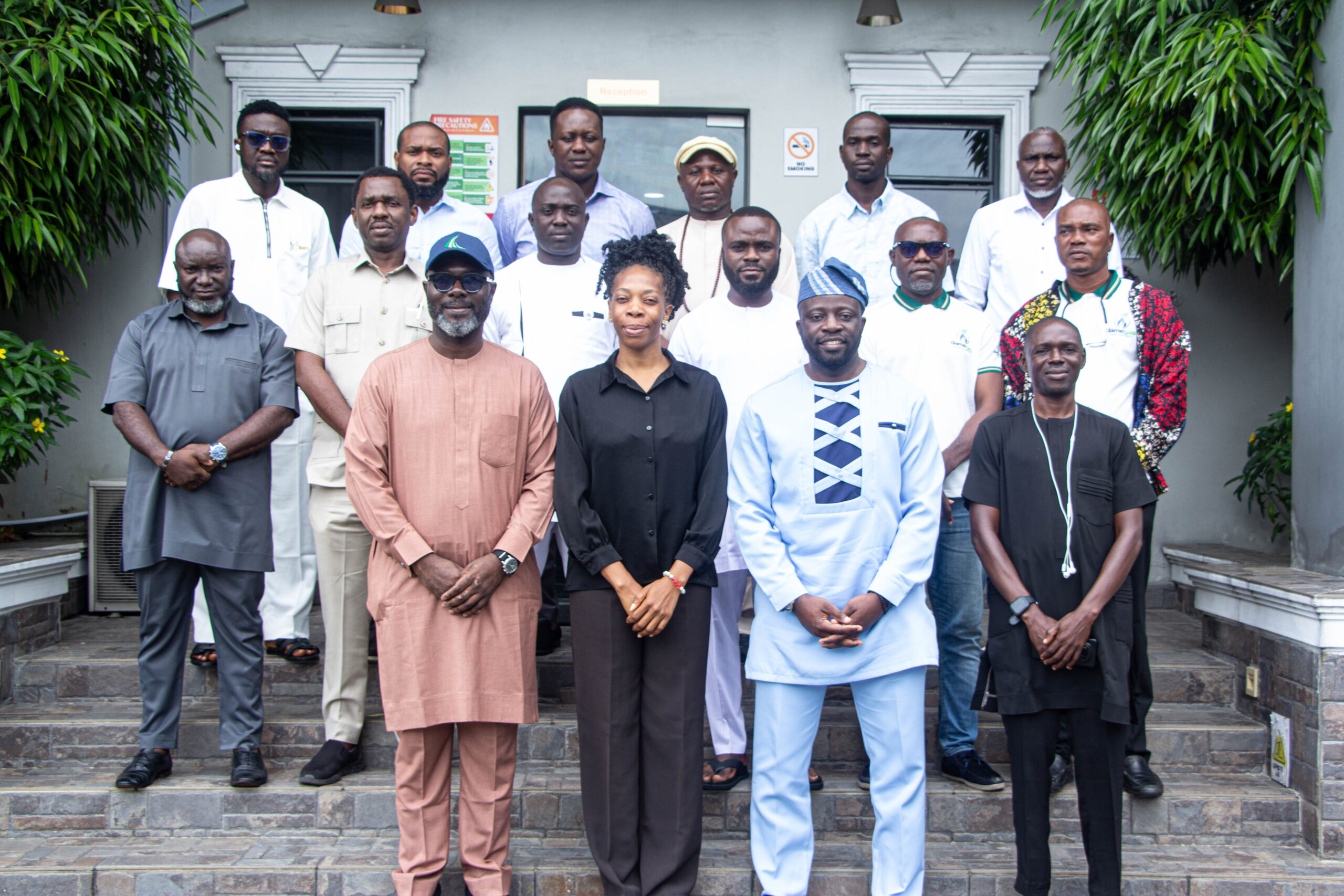
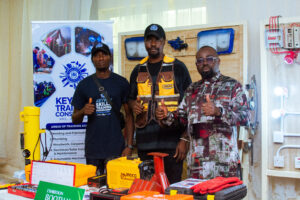
The conversation extended to the renewable energy sector through PIND’s Access to Energy (A2E) project ecosystem. A representative from Vectis Power Limited highlighted opportunities for young people to build careers and enterprises in solar energy, including technical services and other areas of the growing clean-energy market.
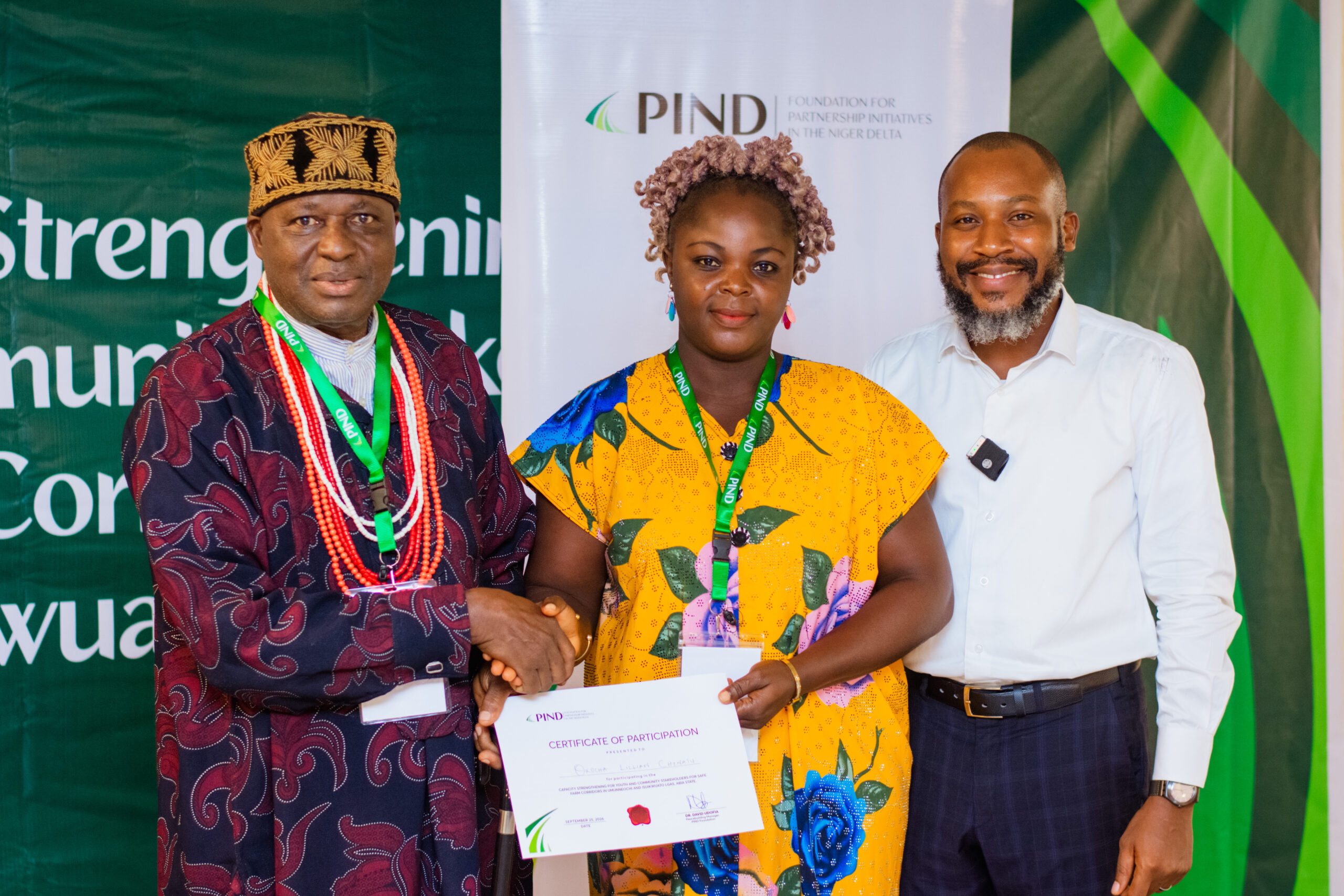
The experiences of young people who have already transitioned from training to economic activity offered another practical perspective. Kingsley Erondu and Esther Okoromba, both YEP beneficiaries, shared their journeys from skills acquisition to employment and entrepreneurship.
Their stories demonstrated how access to relevant skills, support, and connections can help young people turn training into livelihoods.

Connecting Young People to Information and Opportunities
Access to relevant and timely information remains an important factor in enabling young people to identify and take advantage of economic opportunities. Beyond creating opportunities, there is a need to ensure that young people know where to find them and can access reliable information to make informed career and livelihood decisions.
To address this gap, PIND introduced NDLink, its digital knowledge platform for Niger Delta development, at the event. NDLink serves as a regional hub providing young people and other users with access to current information on jobs, training, entrepreneurship, career development, mentorship and other opportunities across the Niger Delta.
During the engagement, PIND guided young people through the NDLink website and social media platforms, demonstrating how they can explore available resources and stay connected to new opportunities beyond the event.


Strengthening Collaboration for Youth Employment
The participation of government institutions and other stakeholders reinforced the importance of collaboration in addressing youth employment challenges.
The Nigerian Content Development and Monitoring Board (NCDMB), Small and Medium Enterprises Development Agency of Nigeria (SMEDAN), Bayelsa State Education Development Trust Fund, and Bayelsa State Ministry of Youth contributed goodwill messages, emphasizing youth empowerment, workforce development, and partnerships for sustainable economic growth.
Building Pathways for a Sustainable Future
The 2026 International Youth Day engagement reinforced a simple message: young people need more than skills to build sustainable livelihoods. They need access to information, networks, experience, and opportunities to put those skills to work.
For PIND, strengthening these connections is also part of building sustainable peace. When young people can participate meaningfully in the economy, build livelihoods, and contribute to their communities, they are better positioned to become active contributors to inclusive economic development and peaceful communities across the Niger Delta.
IYD 2026 provided a platform to strengthen these connections and to move the conversation from learning to earning, and from potential to opportunity.