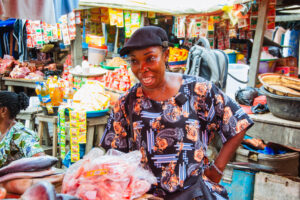

Keeping fish and other perishable products fresh remains a major challenge for many fisherfolk, food traders, and small businesses across coastal communities in the Niger Delta. Without reliable cold storage, produce often spoils before reaching the market, resulting in post-harvest losses, reduced incomes, and limited business growth.
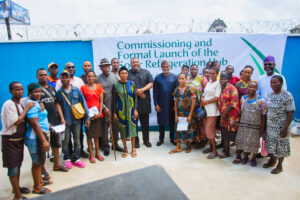
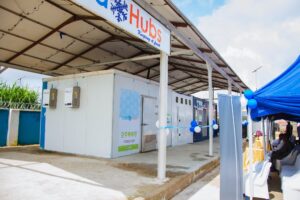
On June 30, 2026, the Foundation for Partnership Initiatives in the Niger Delta (PIND), in partnership with ColdHubs Limited, commissioned a solar-powered cold storage and ice-making facility at Swali Market in Yenagoa, Bayelsa State. Supported through PIND’s Coastal Communities Off-Grid Energy Challenge Fund 2025, the facility provides reliable, clean energy for food preservation, helping market users reduce losses, strengthen livelihoods, and improve local economic activity. The commissioning brought together PIND, ColdHubs, community leaders, and market users to celebrate the partnership and its role in expanding access to productive-use renewable energy.

Turning Clean Energy into Economic Opportunity
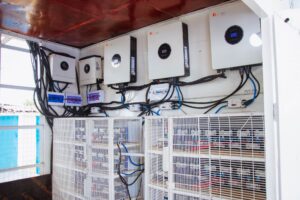
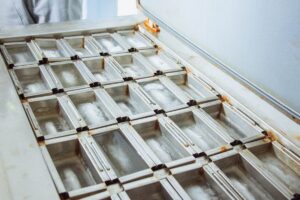
The ColdHubs facility is powered by a 44KWp solar photovoltaic system with 240KWh battery storage, providing 24-hour cold storage alongside a solar-powered ice-making unit capable of producing one tonne of ice daily. Through its affordable rent-a-space model, the facility enables fisherfolk, food traders, smallholder farmers, and small businesses to preserve fish and other perishable products, reducing spoilage and improving the value of their goods.
The project is jointly financed by ColdHubs Limited and PIND Foundation, with PIND providing energy technical support, stakeholder facilitation, and market systems development through its Access to Energy (A2E) and Market Systems Development – Access to Industrial Market and Agricultural Technology (AIMAT) programs.
A Partnership Delivering Sustainable Impact
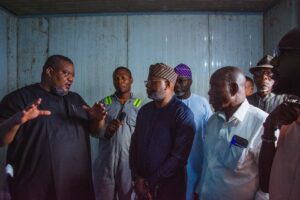
Speaking during the commissioning, PIND’s Executive Director, Mr. Sam Ogbemi Daibo, described the project as a demonstration of how strategic partnerships can harness clean energy to address local development challenges and create sustainable economic opportunities for communities.
“This facility demonstrates that renewable energy is more than a source of electricity; it is a catalyst for livelihoods, enterprise growth, and economic resilience. By supporting innovative businesses like ColdHubs, PIND is helping to build stronger market systems that reduce losses, increase incomes, and improve food security across the Niger Delta,” he said.
Also speaking, the Founder and Chief Executive Officer of ColdHubs Limited, Mr. Nnaemeka Ikegwuonu, said the partnership reflects the transformative potential of clean energy in strengthening local food systems. He noted that access to affordable solar-powered cold storage and ice-making services will enable fisherfolk, traders, and smallholder farmers to preserve more of their produce, minimize waste, and improve their incomes.

Strengthening Livelihoods, One Market at a Time
Beyond the commissioning ceremony, the facility is already creating opportunities for market users to preserve more of their produce and sell it. During the facility tour and demonstration, fisherfolk, food traders, and community members experienced firsthand how solar-powered refrigeration and affordable ice services can help them improve the quality of goods reaching consumers.
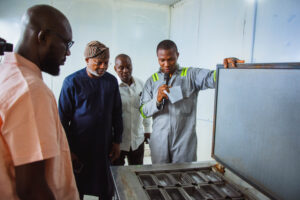
Mrs. Charity Ochiezi, a fish trader at the market, shares how the affordable cold storage will help traders keep their products fresh for longer and reduce the losses they previously experienced.
For communities where fishing and food trading are important sources of income, reliable cold storage represents more than improved infrastructure; it provides a practical pathway to stronger businesses, better household incomes, and more resilient livelihoods.