

Sustainable development requires strong institutions that can plan effectively, coordinate across sectors, and respond to emerging social and economic challenges. Recognizing this, the Foundation for Partnership Initiatives in the Niger Delta (PIND) is deepening its collaboration with the Abia State Government to strengthen governance systems that support resilient livelihoods, inclusive economic growth, and long-term development.
Through a series of high-level strategic engagements with key state ministries and agencies, PIND is supporting efforts to improve public sector coordination, strengthen evidence-based decision-making, and create an enabling environment for sustainable investments across priority sectors.
Strengthening Data-Driven Planning and Accountability
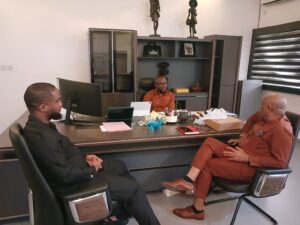
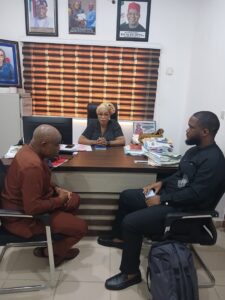
A major focus of the engagement was enhancing the implementation of the Abia State Long-Term Development Plan (LTDP). Working alongside the Ministry of Budget and Planning, PIND convened senior government officials from the Ministries of Agriculture, Youth and Sports, Power, Industry and SMEs, Petroleum Resources, and other strategic institutions to identify opportunities for improving planning, monitoring, and performance management.
The discussions explored the adoption of a digital monitoring and reporting platform that will enable government agencies to track project implementation, monitor budget performance, and improve inter-ministerial coordination through real-time data. By strengthening evidence-based planning and accountability, the initiative aims to ensure that public investments deliver measurable outcomes for communities across the state.
Supporting Safer and More Inclusive Agricultural Growth
Beyond strengthening governance systems, the partnership also addressed operational challenges affecting agricultural productivity and youth employment.
Working with relevant state ministries, security stakeholders, and private sector partners, PIND facilitated discussions to improve security coordination within key agricultural corridors, particularly those supporting young women participating in the Women in Sourcing and Enterprise (WISE) Program.
The collaboration also strengthened efforts to mobilize and support additional women farmers through existing government networks, ensuring greater inclusion and participation in commercial agriculture.
By addressing both governance and operational constraints, the partnership is helping create a more enabling environment for agricultural investment, enterprise development, and resilient livelihoods.
Building Stronger Institutions for Sustainable Development
The engagement established a roadmap for continued collaboration, including monitoring frameworks, performance indicators, and mechanisms for sustained coordination across government institutions.
PIND will continue providing technical and advisory support as ministries strengthen implementation of the state’s development priorities and improve institutional collaboration.
By investing in stronger governance systems and strategic public-sector partnerships, PIND is helping to build institutions that are better equipped to drive inclusive economic development, strengthen resilience, and improve the lives of communities across Abia State and the wider Niger Delta.
