
Improving agricultural productivity requires more than distributing improved inputs—it depends on building strong local service ecosystems that enable farmers to access practical knowledge, quality technologies, and reliable advisory support throughout the farming season.
Through its Market Systems Development (MSD) Program, the Foundation for Partnership Initiatives in the Niger Delta (PIND) is strengthening a network of entrepreneurial Service Providers that deliver market-led extension services to smallholder farmers across the region. By combining technical capacity building with private sector partnerships, PIND is helping create sustainable agricultural support systems that improve productivity, strengthen climate resilience, and increase rural incomes.
Recent field monitoring visits in Delta and Rivers States highlighted how PIND-supported Service Providers are successfully translating technical knowledge into practical solutions for farming communities.
Strengthening Local Agricultural Service Delivery
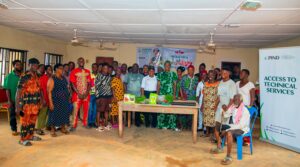
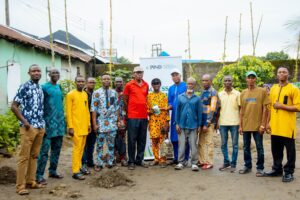
In Delta State, PIND-supported Service Provider Flourishing Field Agribusiness and Global Consult, working in partnership with East-West Seed, trained smallholder and youth farmers on Climate-Smart Good Agricultural Practices for vegetable production.
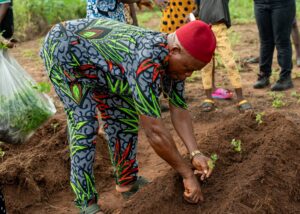
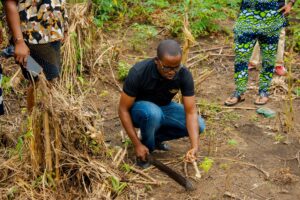
Through practical field demonstrations and hands-on learning, farmers gained knowledge on nursery establishment, precision transplanting, and the use of improved seed varieties—helping them reduce production risks while improving crop performance under changing climatic conditions.
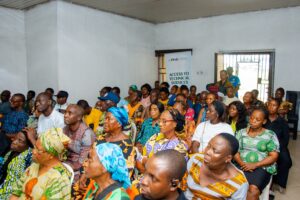
In Rivers State, another PIND-trained Service Provider, Okehi Benevolent, supported cassava farmers through intensive training on improved agronomic practices, including land preparation, planting methods, fertilizer application, weed management, farm record-keeping, and the safe use of agricultural inputs.
These interventions demonstrate how locally based service providers are expanding access to technical knowledge while creating stronger connections between farmers, input suppliers, and agricultural markets.

Building Sustainable Agricultural Systems
Field monitoring revealed increased farmer interest in adopting improved technologies and climate-smart production practices across both vegetable and cassava value chains.
Equally important, the initiative strengthened partnerships between Service Providers, private sector input companies, and farmer organizations, creating more sustainable pathways for farmers to access quality inputs, technical advisory services, and market opportunities beyond individual project interventions.
By positioning entrepreneurial Service Providers as long-term agricultural advisors, PIND is helping build self-sustaining extension systems that continue to support farmers long after initial capacity-building activities have been completed.
Driving Resilient Growth Through Market Systems
PIND’s market systems approach recognizes that lasting agricultural transformation depends on strengthening the relationships that connect farmers, businesses, and service providers.
By expanding access to climate-smart agricultural knowledge, quality technologies, and commercial support services, the organization is helping smallholder farmers improve productivity, increase incomes, and build greater resilience to climate-related challenges.
As these market-led extension networks continue to grow, they will play an increasingly important role in creating more competitive agricultural value chains and improving livelihoods across the Niger Delta.