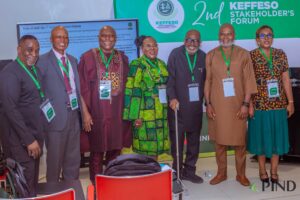

The impact of the Petroleum Industry Act (PIA) is measured by how host communities harness resources to achieve sustainable growth. To support coordinated efforts and ensure the 3% PIA allocation delivers lasting benefits, the Foundation for Partnership Initiatives in the Niger Delta (PIND) participated in the 2nd KEFFESO Host Communities’ Development Trust (HCDT) Stakeholder Forum on April 7, 2026, in Yenagoa, Bayelsa State.
Building on the success of its inaugural edition, the forum showcased KEFFESO HCDT’s growing impact across 21 host communities while charting a clear path toward more inclusive and sustainable development. Held under the theme “Strengthening Visionary Leadership, Accountability, and Inclusive Growth in Host Communities”, the event brought together HCDT leaders, regulators, oil and gas operators, traditional rulers, and community stakeholders to align on shared priorities and strategies for regional development.


Recognizing Local Leadership and Strategic Direction
PIND’s participation reflected a dual focus, recognizing KEFFESO’s progress while providing practical insights to enhance implementation and outcomes.
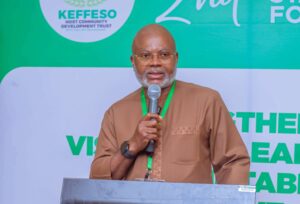
During a workshop session on “Visioning, Strategic Leadership & Collaboration for Sustainable Development”, PIND’s Executive Director, Sam Ogbemi Daibo, underscored the importance of translating resources into measurable, lasting outcomes. He emphasized the value of structured collaboration built on trust, joint planning, and continuous engagement. Scalable approaches such as cluster-based development, public–private–community partnerships, and multi-stakeholder platforms were highlighted as models for driving wider impact across host communities.
He also commended KEFFESO’s shift from isolated interventions to coordinated development systems, including initiatives in economic development, youth employment, and renewable energy access, positioning the Trust as a leading example for others in the region.

Advancing Practical Pathways for Impact
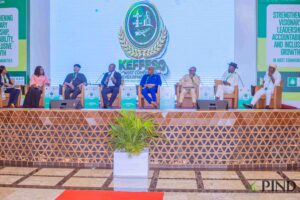
In a plenary session on “Driving Inclusive and Sustainable Development under the PIA,“ PIND’s Advocacy Manager, Mr. Chuks Ofule, underscored the role of transparent governance and coordinated action in delivering tangible outcomes.
He noted that aligning vision, collaboration, and accountability is essential for translating resources into real improvements in infrastructure, energy access, and livelihoods. He further emphasized the need for long-term planning, strong stakeholder coordination, and inclusive decision-making processes.
Highlighting priority areas, he noted that investments in water systems, healthcare, and livelihood support are critical to delivering visible and meaningful change.
“The success of the PIA will not be measured by how many Trusts we create but by how many lives we improve,” he stated.

Key Pathways for Sustainable Development
Across both sessions, PIND outlined practical priorities to strengthen HCDT performance and long-term impact:
- Strategic Visioning: Developing 5 to 10-year community roadmaps focused on agriculture, SMEs, and vocational skills.
- Coordinated Collaboration: Strengthening alignment and data sharing among operators, regulators, and HCDTs.
- Accountability as a Foundation for Trust: Promoting transparency and inclusive governance.
- Early Impact Interventions: Delivering quick, high-impact projects to build community confidence.
- Sustained Engagement: Ensuring continuous dialogue, capacity building, and performance tracking.
Reinforcing Partnerships for Sustainable Growth
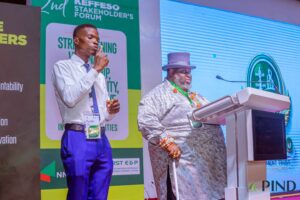
The forum further strengthened collaboration between PIND and KEFFESO HCDT. His Royal Majesty, Theophilus Moses, Chairman of the Board of Trustees, commended PIND for its consistent support in enabling the delivery of impactful, community-focused, and economic development initiatives across Kefesso communities.

Looking Ahead: Turning Commitments into Results
PIND remains committed to supporting KEFFESO and other HCDTs in driving inclusive and sustainable community development. The forum reinforced a critical message: lasting progress depends on strong partnerships, aligned priorities, and the consistent delivery of results that directly improve lives.