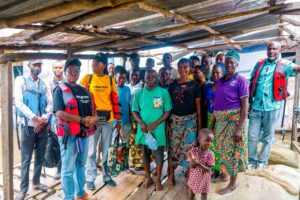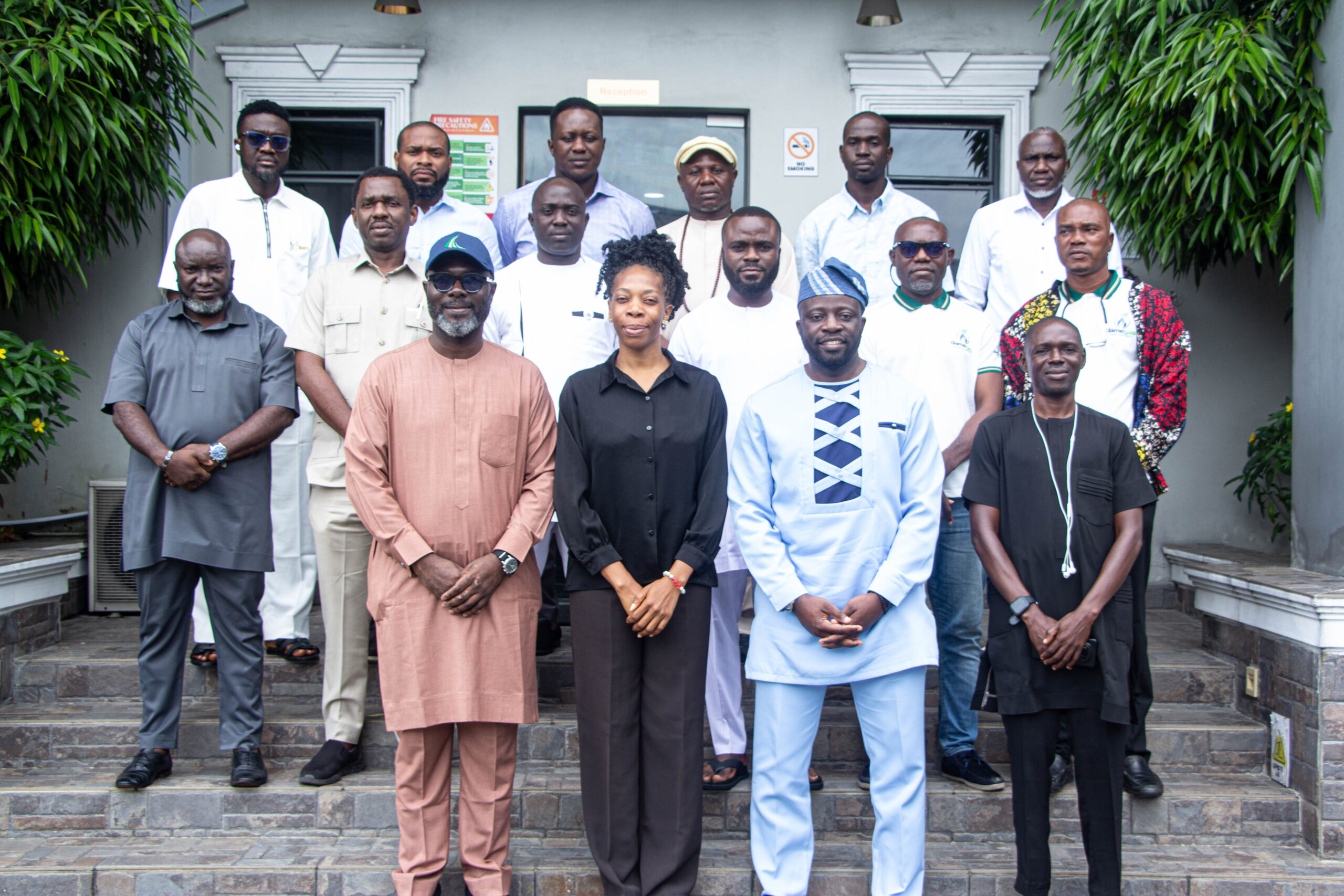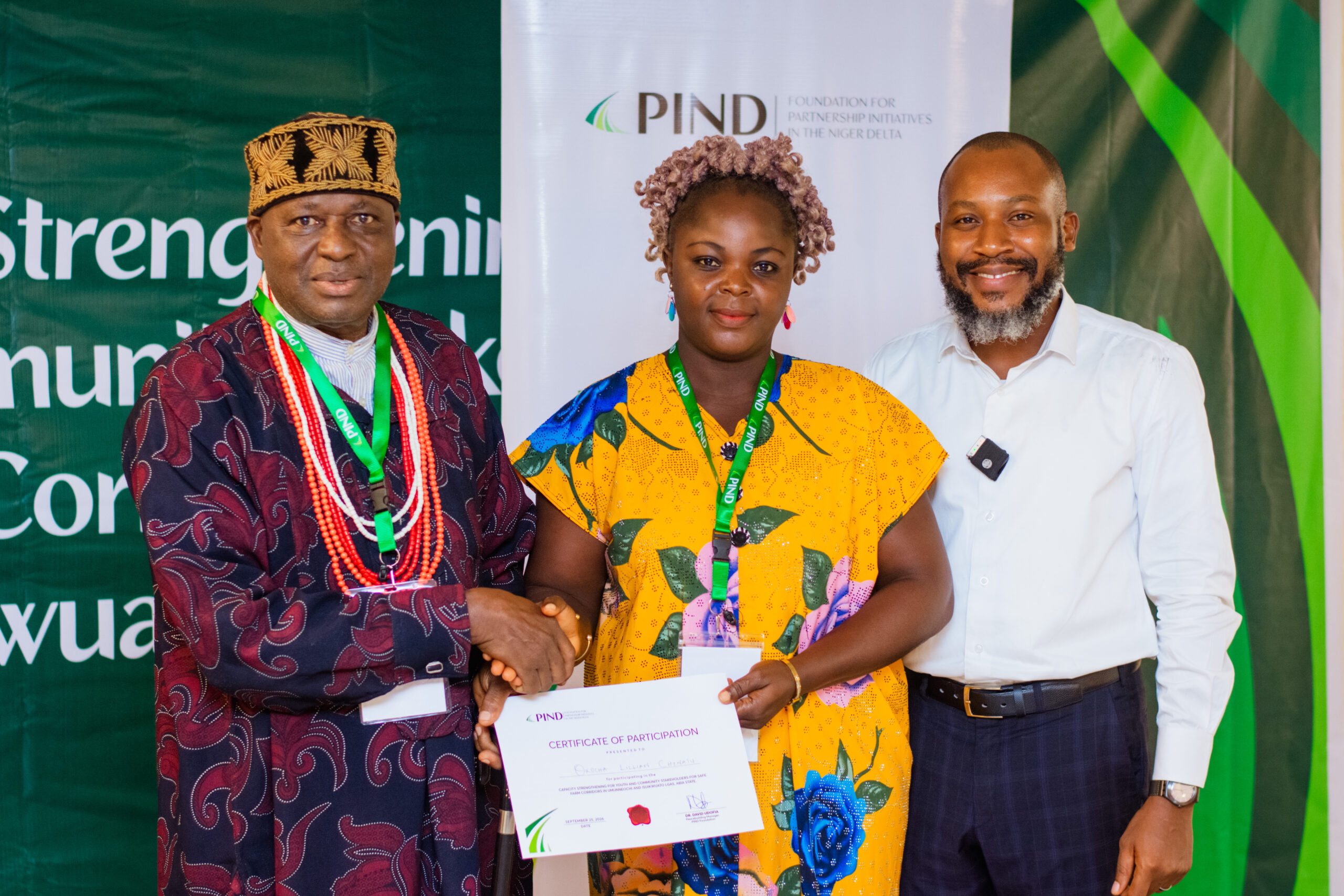


Expanding energy access in hard-to-reach coastal communities requires more than technology; it requires strategic engagement, trust, and alignment with local stakeholders. As part of its efforts to scale clean energy across underserved coastal communities, the Foundation for Partnership Initiatives in the Niger Delta (PIND), through its Access to Energy (A2E) program, facilitated stakeholder engagement and community entry in Ilaje LGA, Ondo State, to support the planned deployment of mesh-grid energy solutions by its partner, Ashdam Solar.
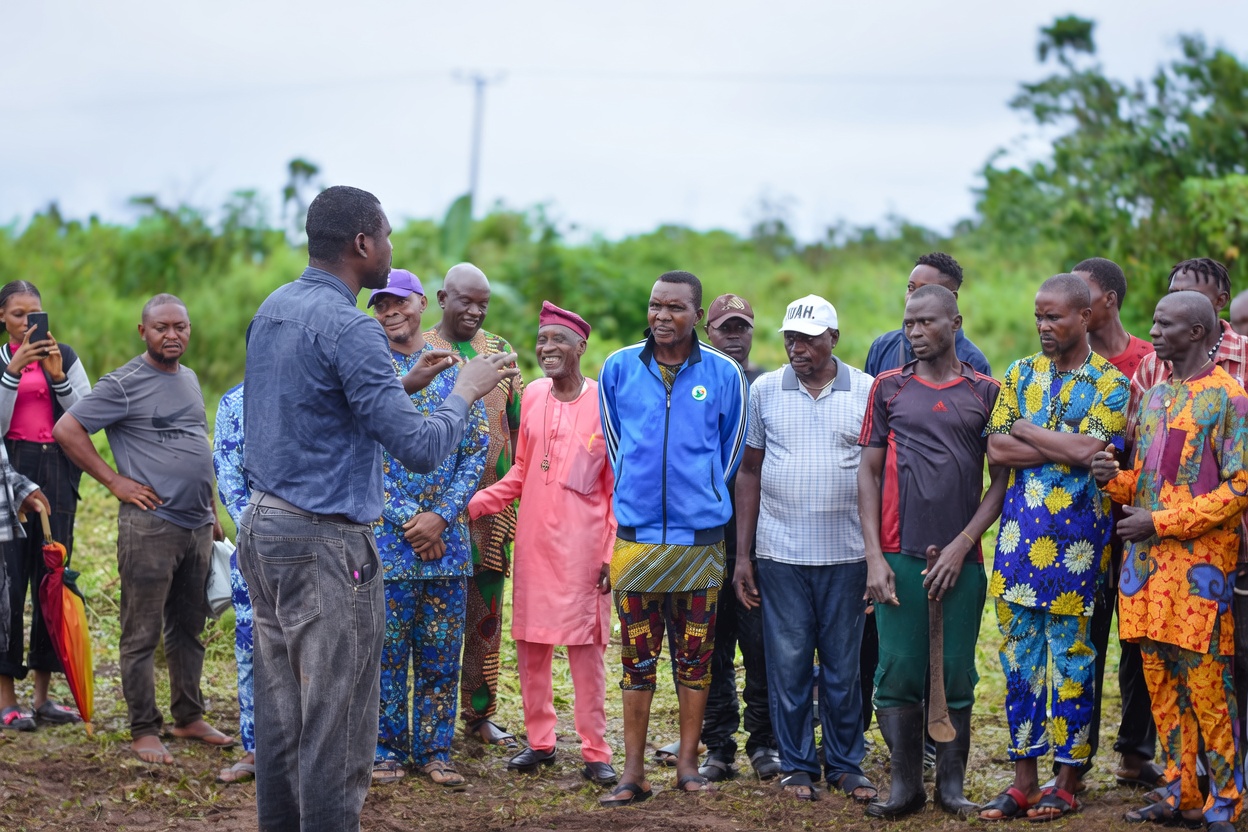
Held from April 2–3, 2026, the engagements brought together community leaders, women’s groups, youth representatives, and local business actors to align on how the solution will be introduced, adopted, and sustained. By creating a platform for dialogue and participation, the sessions helped reduce entry barriers for the partner while strengthening community readiness.

Enabling Market Entry through Community Alignment
PIND’s role in the engagement was to facilitate trust-building between Ashdam Solar and Ilaje communities, an essential step in deploying decentralized energy solutions in coastal communities. The engagement covered communities including Ilepete, Ilowo, Ebijimi, Asunmaga, Oroto, Alagbon, Idiogba, and Ayetoro.
Through structured discussions, participants explored community energy needs, clarified expectations, and contributed to shaping the deployment model. This approach ensures that the mesh-grid solution is socially accepted and economically relevant to the people it serves.

Mesh-Grid Innovation for Coastal Communities
At the center of the planned deployment is a mesh-grid system, a decentralized solar solution designed to serve multiple users within dispersed settlements.
The energy model enables households and small businesses to access electricity based on their specific needs while maintaining affordability and flexibility. This makes it particularly suited for coastal communities like Ilaje, where traditional grid extension is often impractical.
By connecting users within a shared network, the mesh-grid model supports efficient energy distribution while creating opportunities for productive use across communities.


Grounding Energy Solutions in Local Economies
The engagement also highlighted how energy access directly supports livelihoods in Ilaje’s coastal communities. Activities such as fish processing, trading, and small-scale enterprises depend on reliable electricity to operate efficiently and grow sustainably.
By incorporating these realities into deployment planning, the solution is better positioned to deliver long-term value, supporting income generation, reducing operational constraints, and strengthening local economies.


Key Outcomes of the Engagement
The stakeholder sessions helped create an enabling environment for deployment.
Key outcomes include:
- Improved trust and alignment between communities and the energy provider
- Increased awareness and understanding of the mesh-grid solution
- Community input into system deployment and usage
- Strengthened foundation for sustainable implementation and scale
Looking Ahead: Scaling Inclusive Energy Access
The Ilaje engagement demonstrates the importance of market entry for energy providers through community-driven approaches. By facilitating partnerships and strengthening local participation, PIND continues to enable scalable energy solutions across the Niger Delta.
As deployment progresses, this model provides a pathway to expand access in unserved coastal communities, ensuring that energy solutions are not only delivered but also sustained, with a lasting impact on livelihoods and economic resilience.