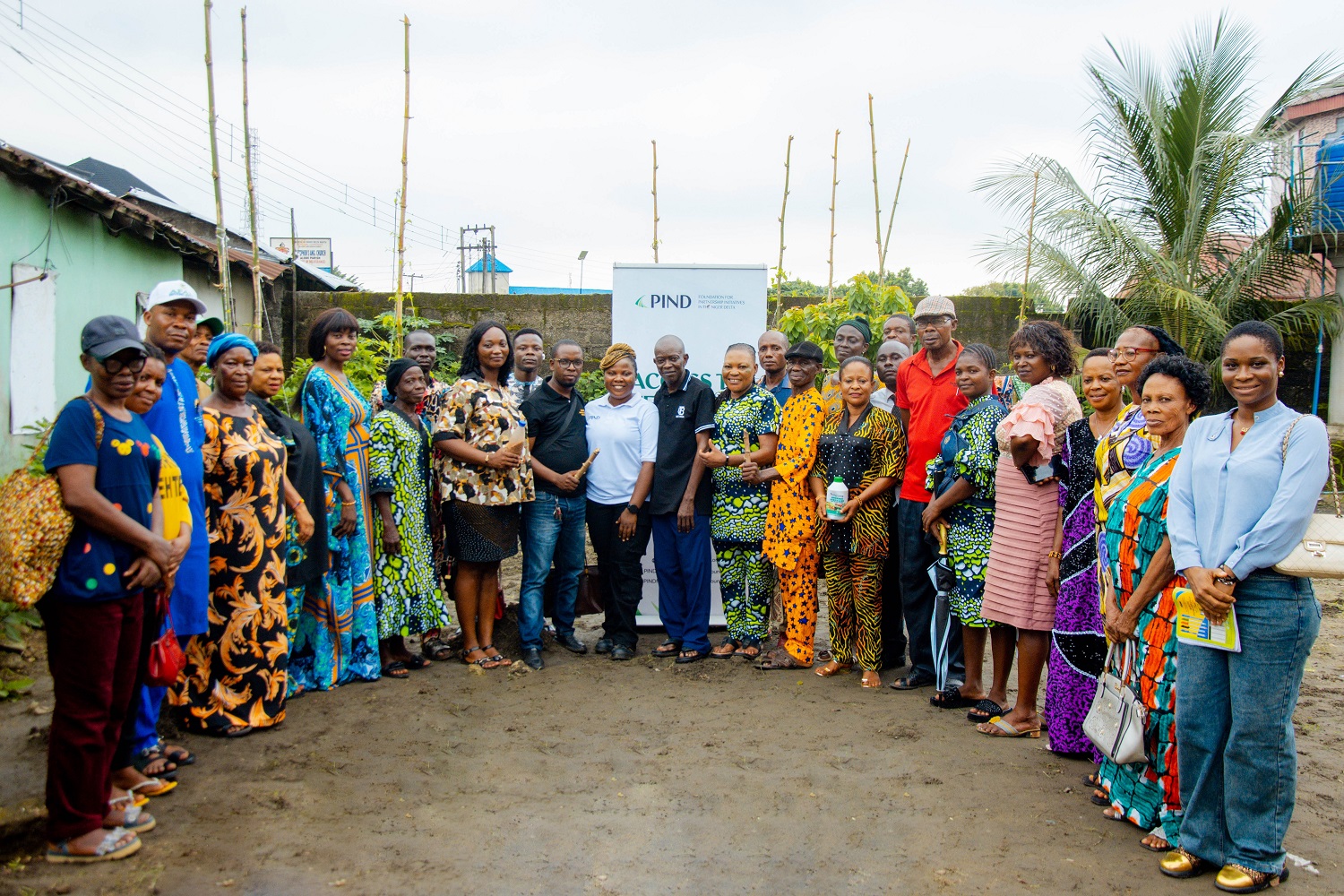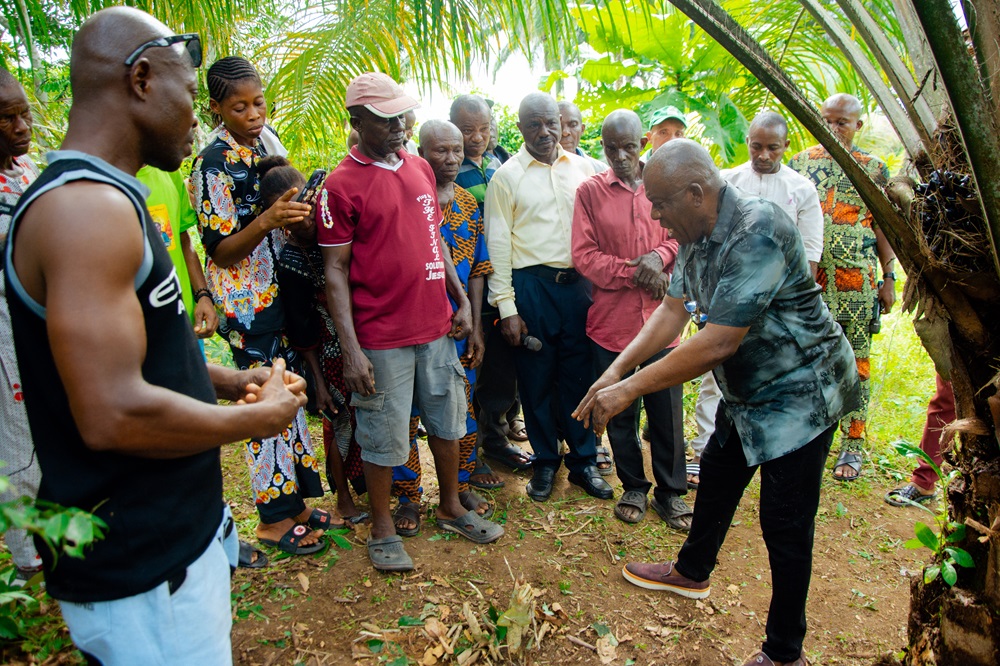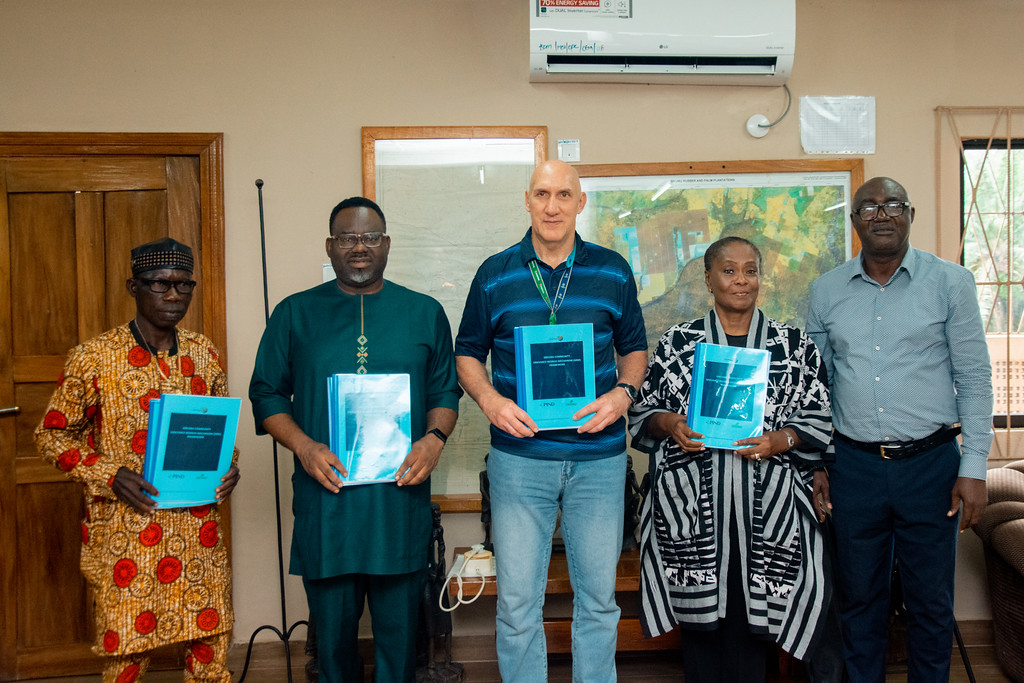


To scale inclusive agricultural markets and deepen farmers’ access to high-quality inputs, the Foundation for Partnership Initiatives in the Niger Delta (PIND) convened two successful Stakeholder Onboarding Workshops between June 17 and 20, 2025, in Akure, Ondo State, and Port Harcourt, Rivers State.
Held under PIND’s Market Systems Development program, these one-day workshops brought together over 80 key actors in the seed sector —including seed companies, nursery operators, agro-dealers, community-based seed entrepreneurs, researchers, and donor project representatives— representing cassava, cocoa, and oil palm value chains. The session reinvigorated PIND’s Access to Seeds thematic area by fostering collaboration and aligning diverse actors around a unified strategy for systemic impact.
Building on Insights and Mapping a Path Forward
These workshops were informed by a recently conducted seed systems assessment across the Niger Delta that revealed critical bottlenecks in seed availability, distribution, farmer adoption rates, and regulatory linkages across key value chains.
Speaking at the Port Harcourt session, Mrs. Faith Emmanuel-Soya, PIND’s Market Systems Development Manager, stated, “These onboarding sessions go beyond strategic alignment. They are designed to foster sustainable collaboration and activate scalable, results-driven solutions to ensure more farmers access high-quality seeds efficiently.” She further emphasized that adaptive partnerships and inclusive strategies will help strengthen seed systems for traditionally underrepresented crop sectors.
Key discussions centered on scaling service delivery models, improving demonstration plots, enhancing coordination between public and private actors, and extending these interventions into vegetable and staple grain value chains through inclusive, commercially viable business models.
Outcomes and Strategic Takeaways
The workshops produced concrete next steps for the seed sector and set the stage for future engagements.
. Key outcomes include:
- Onboarding over 80 seed system actors across six states in the Niger Delta
- Aligning stakeholders around a multi-crop, cross-cutting seed systems strategy
- Highlighting gaps in extension services and input distribution networks
- Renewing commitments to pilot partnerships that boost vegetable and grain seed delivery
- Strengthening collaboration across research bodies, regulatory agencies, and market actors
Laying the Groundwork for Scalable Impact
The workshops also underscored the need to build resilient, local seed enterprises and incentivize deeper private sector participation to reach smallholder farmers, particularly in remote and underserved communities in the Niger Delta,. Participants highlighted the value of investing in training, awareness-raising campaigns, aggregation models, and last-mile logistics to scale up the adoption of improved seed varieties.
This initiative underscores PIND’s commitment to making seed systems as a core driver of agricultural transformation in the Niger Delta. Building on past support to smallholder farmers and agro-dealers across the region’s nine states, PIND is scaling its interventions to catalyze more inclusive, value chain-driven growth.
Moving Forward
Following this successful onboarding, PIND will facilitate targeted co-creation with select partners to establish demonstration farms, expand access to certified seeds, and pilot scalable business models across under-represented crop sectors. Insights from the sessions will inform tailored capacity-building plans, knowledge tools, and facilitation approaches for the months ahead.
By forging new connections and galvanizing commitment to shared goals, PIND is reinforcing its role as a catalyst for agricultural productivity and sustainable growth. Together with our partners, we remain dedicated to empowering smallholder farmers, fostering an inclusive agricultural sector, and delivering long-term benefits for communities and MSMEs across the Niger Delta.