PIND’s Advocacy program goes beyond raising awareness—it helps shape the policies, systems, and strategies that drive real change in the Niger Delta. By combining research, partnerships, and strategic dialogue, this program supports inclusive, sustainable development and lasting peace across the region.
Strengthening Foundations for Sustainable Development
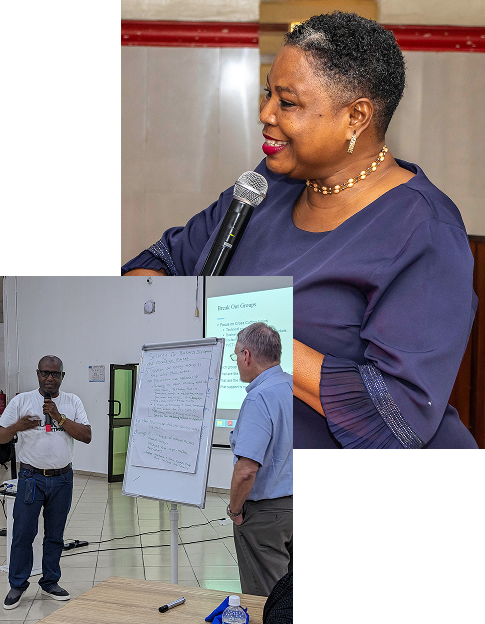
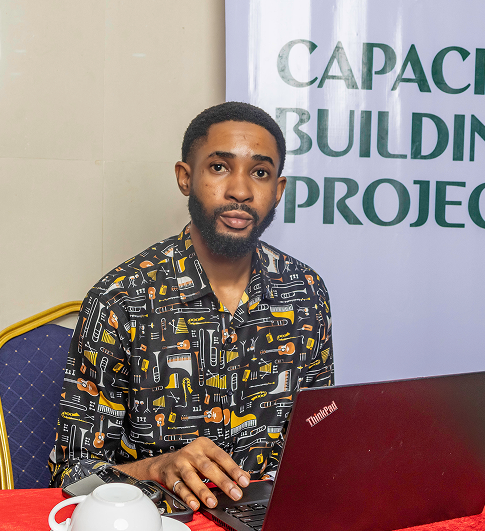
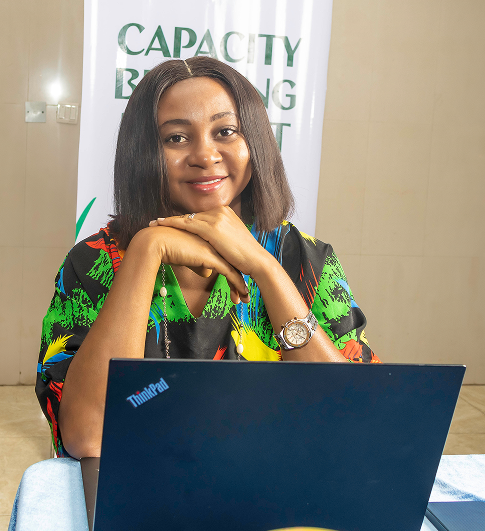
Change that lasts doesn’t happen in isolation. It takes capable people, strong institutions, and effective systems. That’s what PIND’s Capacity Building program sets out to develop. Whether it’s training community leaders, improving governance in local organizations, or supporting service providers with the tools to do more, this program equips a wide network of actors in the Niger Delta with the knowledge, systems, and confidence to lead development, increase their income, build structures for sustainable peace in communities and ensure increased productivity of agricultural products.
Why Capacity Matters
Strengthening Local Institutions
Building financial and operational systems for sustainability.
Promoting Inclusive Leadership
Equipping communities to govern responsibly.
Fostering Collaboration
Connecting sectors for shared development goals.
Enabling Access & Sustainability
Supporting funding and project management skills.
Who We Support
This program reaches a wide variety of stakeholders, including:
Community-based organizations
Business membership organizations
Host Community Development Trusts (HCDTs)
Service providers
Cooperatives
Youth and women-led initiatives
Our Tools for Growth
At the heart of Capacity Building is PIND’s Organizational Capacity Assessment (OCA) Tool — a framework for growth and self-assessment. Once gaps are identified, PIND supports each organization with a customized Capacity Development tools which are:
Governance and procurement templates
Planning frameworks and budgeting formats
MEL (Monitoring, Evaluation, and Learning) tools
Advocacy and resource mobilization guides
Our Results
N21.6Billion
Accrued in savings by community users of PIND-facilitated renewable energy solutions
‘’Training these farmers, they always complain. Some of them say,” We want to expand, how do you come to our aid’’? So, we package them together in groups in clusters. And, as I am talking to you right now, they are being taken to the CBN under the Anchor Borrowers programs so that it can help them to maintain their plantation. It can help them to expand their farms. They are following their CBN processes; they have been introduced, they have been trained by DDI (a PIND-trained BSP), interviewed, asked to package their papers. And they have done all those things. They are now feeling the impact of PIND.’’
AKANDU GODWIN
PIND-TRAINED AGRO-DEALER IN RIVERS STATE.
“The findings from the study revealed some systemic constraints in the cocoa value chain. These include low productivity of farms arising from poor agricultural practices; predominance of older and ageing trees with low yields; absence of high-yielding seed varieties; inferior quality beans arising from poor post-harvest practices – leading to discount prices of Nigerian cocoa in the global market; and a lack of coordination among actors and functions within the value chain.”