Bringing clean energy to the last-mile communities, PIND’s Access to Energy program is transforming how rural communities in the Niger Delta live and work. Through locally led mini-grids and solar-powered innovations, we’re helping thousands of people power their homes, grow businesses, and access life-saving services—all while building greener, more inclusive local economies.
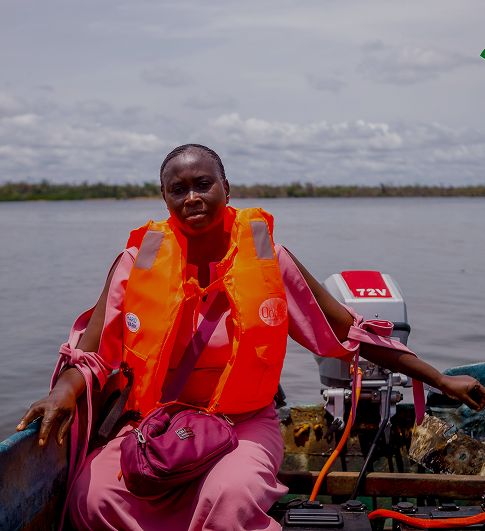
In the remote coastal and riverine communities of the Niger Delta, energy poverty has long hindered progress. For many, life after sunset meant darkness, disrupted businesses, and limited access to healthcare. PIND’s Access to Energy (A2E) program is changing that narrative—one solar cabin, one mini-grid, one community at a time. This program opens the door to clean, off-grid electricity by working with private developers, donors, and community trusts to implement sustainable, renewable energy solutions. These solutions aren’t just lighting up homes—they’re igniting opportunity, driving income growth, and strengthening communal resilience.
The Access to Energy program directly supports PIND’s mission to foster inclusive, sustainable economic growth across the Niger Delta. By improving market systems for renewable energy and attracting private sector participation, the program drives down carbon emissions, powers livelihoods, and improves access to essential services. It also plays a crucial role in strengthening climate resilience by reducing reliance on fossil fuels and helping local communities—especially those in hard-to-reach coastal areas—invest in long-term, clean energy solutions through Host Community Development Trusts (HCDTs).
Access to Energy enables people to work their way out of poverty, and can also improve wellbeing, such as through health and education, especially for women and children. The Economic Development opportunities are based on a combination of direct Energy Markets; Technology Markets; Services and indirect support functions. As a result, the strategy is built around an energy vision and plan which captures the priorities of energy access and affordability. This will be pursued through existing tracks from the Energy Efficiency and Renewables work within PIND’s phase 2 of 2015 – 2019, where there are multiple stakeholders and already identified areas of high impact.
Access to Energy enables people to work their way out of poverty, and can also improve wellbeing, such as through health and education, especially for women and children. The Economic Development opportunities are based on a combination of direct Energy Markets; Technology Markets; Services and indirect support functions. As a result, the strategy is built around an energy vision and plan which captures the priorities of energy access and affordability. This will be pursued through existing tracks from the Energy Efficiency and Renewables work within PIND’s phase 2 of 2015 – 2019, where there are multiple stakeholders and already identified areas of high impact.
To facilitate access to alternative and affordable off-grid energy solutions for rural enterprises and households, using a sustainability delivery model that ensures long-term viability for investors and which boosts local demand for energy services.
Our Approach
With an estimated 60-70% of communities in the Niger Delta off-grid or lacking frequent supply of reliable electricity, PIND:
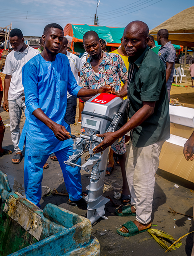
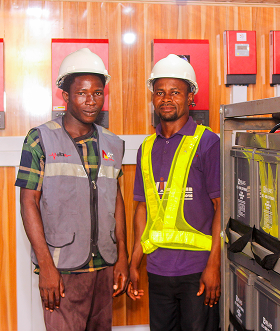
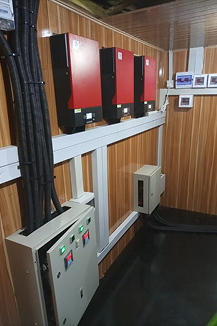
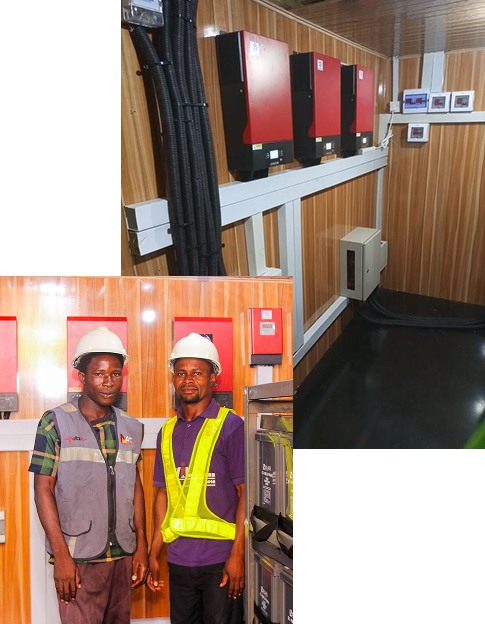
Engages with private sector actors, community leaders and stakeholders in unserved coastal parts of the region to learn about the opportunities and advantages in energy cabin solar solution for coastal communities.
Promote and when necessary co-create beneficial products and services that communities desire to buy and businesses would want to sell, especially those that revolve around Energy Technologies, Training, and Services.
Partner and contribute resources to implement a private sector-led business model of the energy cabin solution.
Innovation That Works
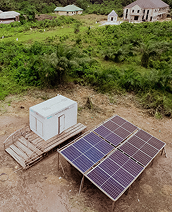
Energy Cabin Model
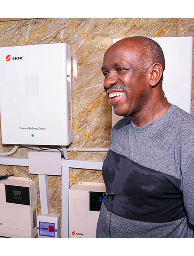
Modular, solar-powered cabins tailored for off-grid areas.
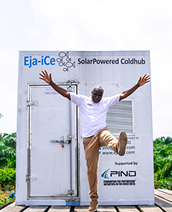
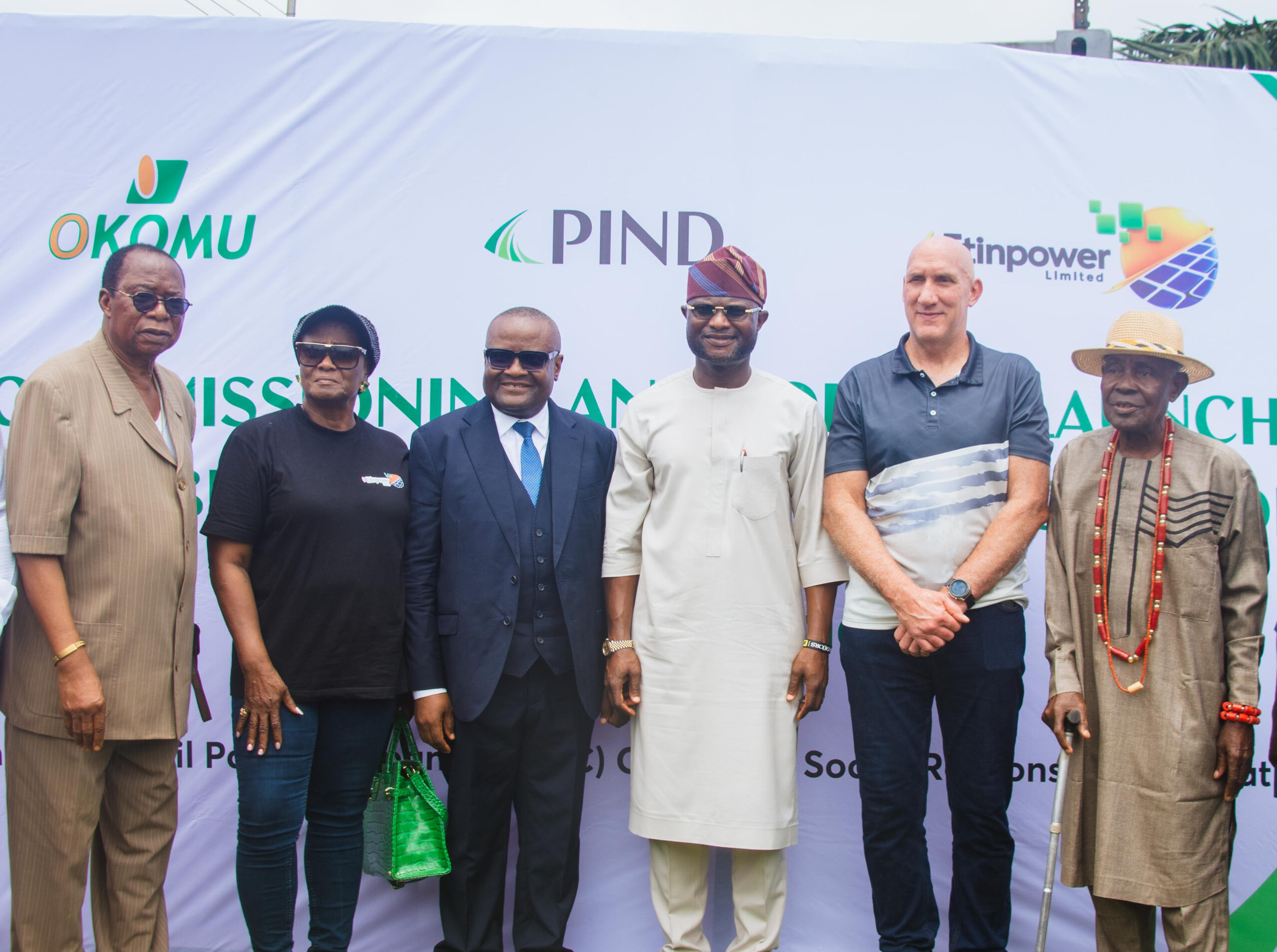
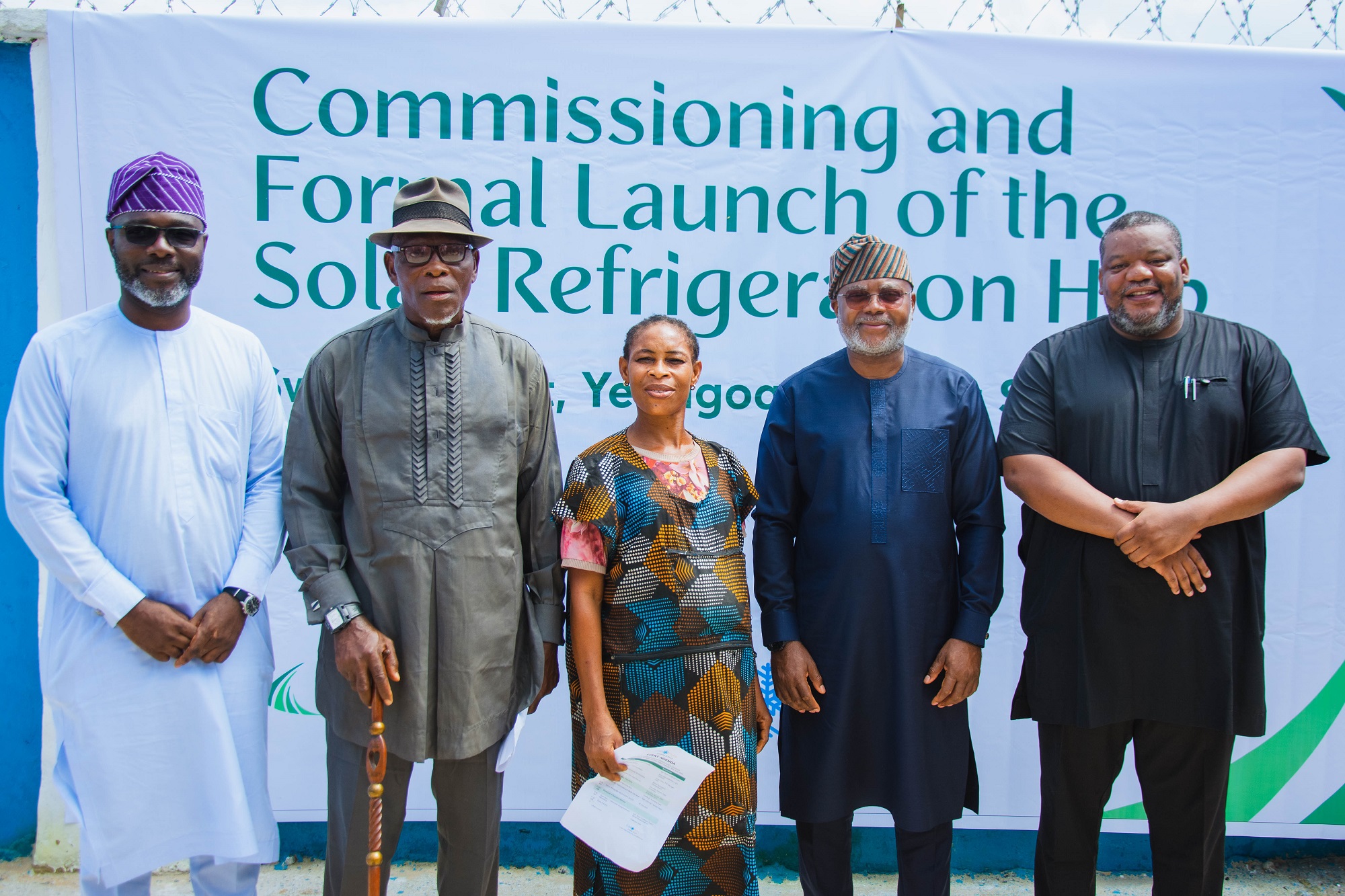
Solar Refrigeration Hubs
Extend food life, reduce waste, and increase farmer income.
Co-investment Model
Community-owned projects ensuring local participation.
Technical Training
We invest in technical training for a solar-savvy local workforce.
Our Approach
The A2E program improves rural electrification by stimulating market conditions that make renewable energy attractive to developers and communities. We implement community-led mini-grids, promote productive use of energy in farming and small businesses, and partner with institutions to scale solar-powered technologies for homes, clinics, and enterprises. We also work to strengthen the capacity of energy service providers while pushing for more favorable investment environments that help clean energy scale faster, further, and more sustainably.
Accrued in savings by community users of PIND-facilitated renewable energy solutions
5,787
Business and households gained access to electricity
Success Stories
Before PIND’s Access to Energy intervention, Fagbo residents struggled with unreliable and costly electricity from generators. Partnering with A4&T Power, PIND launched a solar mini-grid that transformed local businesses. Energy costs dropped by 23%, revenues grew from ₦93,000 to ₦113,000, and new trades flourished—from barbershops to welding shops. In 2023 alone, small businesses generated ₦73 million in additional income, with many reinvesting in growth. “We never imagined our shop could run without diesel. Now we save money, work longer hours, and even hired two apprentices.”
Laosho Community
Local Entrepreneurs
Through PIND’s support, the ministry of Niger Delta Affairs has achieved a very appreciable milestone in developing the Niger Delter Regional peacebuilding strategy, a regional security framework. PIND’s unwavering commitment to the development of the Niger Delta region has positively impacted the lives of countless indiividuals and communities. PIND’s work aligns with the mandate of the Ministry to improve the living condition of Niger Deltans in general. Hence, the Ministry will continue to collaborate with the foundation to improve situation in the region.
Alfred A. Abah
Director, Planning Research & Statistics Ministry of niger delta affairs
Through PIND’s support, the ministry of Niger Delta Affairs has achieved a very appreciable milestone in developing the Niger Delter Regional peacebuilding strategy, a regional security framework. PIND’s unwavering commitment to the development of the Niger Delta region has positively impacted the lives of countless indiividuals and communities. PIND’s work aligns with the mandate of the Ministry to improve the living condition of Niger Deltans in general. Hence, the Ministry will continue to collaborate with the foundation to improve situation in the region.
Alfred A. Abah
Director, Planning Research & Statistics Ministry of niger delta affairs
Through PIND’s support, the ministry of Niger Delta Affairs has achieved a very appreciable milestone in developing the Niger Delter Regional peacebuilding strategy, a regional security framework. PIND’s unwavering commitment to the development of the Niger Delta region has positively impacted the lives of countless indiividuals and communities. PIND’s work aligns with the mandate of the Ministry to improve the living condition of Niger Deltans in general. Hence, the Ministry will continue to collaborate with the foundation to improve situation in the region.
Alfred A. Abah
Director, Planning Research & Statistics Ministry of niger delta affairs
Impact at a Glance
Since its inception, the Access to Energy project has:
Key Achievement
Brought electricity to over 67,000 people across 47 communities in five Niger Delta states.
Enabled over 4,000 businesses and 10,000 households to transition to clean energy