January – March 2022
This report highlights the achievements of PIND’s program interventions in the Niger Delta from January – March 2022 (Quarter 1, 2022), and provides relevant information about program management, lessons learned, and plans for the next quarter. The report demonstrates how PIND is driving change to ensure broadbased economic growth in the Niger Delta. PIND’s activities are designed to promote and sustain a culture of learning and adaptation, to build a process where evidence plays a significant role in determining policy direction and interventions in economic development, peace building, advocacy, and capacity building of both government institutions and civil society in the Niger Delta. PIND made significant progress in its initiatives this quarter. The following are highlights of its achievements:
DOWNLOAD FULL REPORT
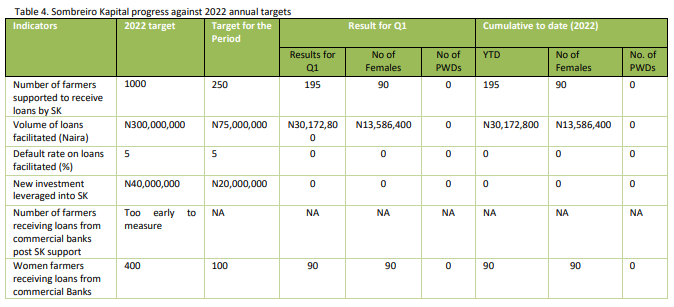
PIND incentivized MSMEs and participating farmers to invest ₦745.19 million (₦215.21 million – Equity and ₦529.98 million – debt) to implement good agricultural practices, technological innovations, purchase inputs and other capital expenditures.During the quarter, PIND’s market development projects continued to demonstrate progress towards widespread change, 12,199 farmers and agricultural entrepreneurs (41% of them being women) were reached with information and knowledge on best practices and efficient technologies in the crop and noncrops sectors.PIND championed community-centered initiatives that offer high-quality energy access to coastal communities, driving the market for low–carbon, low–cost solutions. In Q1, 2022, a PIND-supported partner, A4&T power solutions powered on a 54kWp hybrid solar mini grid in Laoso community in Ondo State. As a result, 4,130 people from 650 households and 230 businesses there accessed electricity.The first set of 631 youths (47% female) on the Youth Employment Pathways program in Delta State (DYEP) completed technical and vocational skills training across four intervention sectors of ICT, building construction, agriculture, and services. Nine of these trainees were people with disabilities (PWDs). Of these, 505 (80%) have transitioned to income earning positions or apprenticeships (232 in apprenticeships positions, 161 have started small scale businesses, while 112 have secured direct waged employment).In the first quarter of 2022, PIND through Sombreiro Kapital facilitated loans worth N30,172,800 to 195 business owners, including 15 fish processors in the GMOU communities, and 180 smallholder cocoa farmers in Ondo State. It is anticipated that the income of businesses supported would increase due to the relatively low-interest rate of 9% per annum which is being charged by Sterling bank Plc for the loans.PIND assisted 51 peace actors to constructively resolve emerging conflicts in various communities in the Niger Delta. This led to 48 quality actions being taken to mitigate conflict in different locations across the region.By amplifying PIND’s communications this quarter, 3,560,473 people gained new or increased awareness about PIND, through its platforms: newsletters, social media, website, email inquiries, forums and traditional mainstream media. Also, PIND attracted 15 public endorsements from stakeholders and garnered 80 positive media mentions of its work and activities during the same period.In Q1, 2022, PIND worked to ensure access to arable land in the Niger Delta. In Edo state the arable land review committee worked with the Edo GIS department to map all the free-ranged land for agriculture, engage the communities that border the land, and develop a flow chart for accessing land for agriculture in the State. Also PIND evidenced spend by the Cross River State Government on the Growth and Development Strategy (GDS) facilitated for the State.To support GMoU communities PIND met with associations of fisherfolk in Koluama 1 and 2 (Bayelsa State), Awoye (Ondo), and Ugborodo (Delta State) to ascertain their training needs. A training was carried out for 23 fisherfolk in Awoye, to expose them to appropriate fishing tools and support them with linkages to equipment suppliers. In addition, practical demonstrations on the benefits of chorkor ovens were done in two communities: Bateren and Opuama in Delta State with 75 fish processors in attendance, resulting in the adoption of 20 ovens in the two communities.In collaboration with the Centre for Gender and Development Studies (CGDS) of the University of Port Harcourt, PIND launched an advocacy campaign to end the targeted killing of women and girls for ritualistic purposes and other forms of violence against women and girls in the Niger Delta.
ECONOMIC DEVELOPMENT
-
As a result, 12,199 new farmers and enterprises were reached directly with information and knowledge on best practices and efficient technologies.
-
Also, within the quarter, the net funds leveraged by the farmers/MSMEs under the MSD project was ₦865.19 million, from adopting the improved technologies on their farms.
KEY ACHIEVEMENTS: AQUACULTURE
PIND’s interventions in the aquaculture sector focus on improving the efficiency and productivity of fish farmers and processors, through improved knowledge of best fish farming practices, access to improved processing technology, as well as access to quality input, market, and finance for farmers. The sector’s activities are driven by aquaculture service providers working with input companies, fabricators, and other market actors. In 2022, the plan is to reach an additional 5,000 fish farmers and processors through the promotion of improved technology in coastal communities, adoption of improved practices amongst fish farmers in the region and facilitating access to finance for farmers and processors in the coastal communities of the Niger Delta.
In the quarter under review, PIND deepened its work with the network of aquaculture service providers to further create awareness on the use of quality inputs and to build the capacity of fish farmers and processors, to access funds for equipment and input purchase. PIND also continued its support to selected hatchery operators to produce and promote quality fish seeds for farmers, in addition to overseeing and tracking the expansion of the training on good pond management and business practices to more farmers and processors, through service providers and input companies in the region.
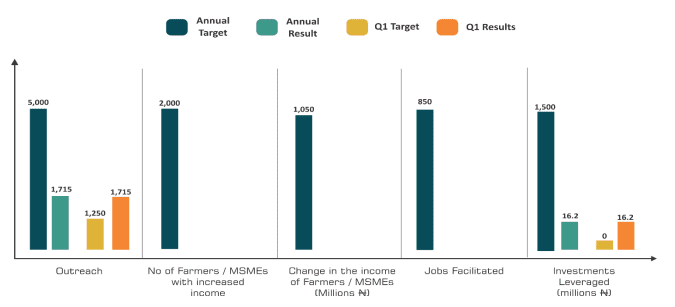
In the quarter under review, PIND reached 1,715 new famers/processors. It worked with its network of aquaculture service providers, to further create awareness on the use of quality inputs and to build the capacity of fish farmers/processors, particularly in the GMOU communities, and access funds for equipment and input purchase. PIND also continued to provide support to selected hatchery operators to produce and promote quality fish seeds for farmers, in addition to overseeing and tracking the expansion of trainings on good pond management and business practices to more farmers and processors, through service providers and input companies in the region. As market actors see the benefits derived from various economic activities in the sector, they invest more to maximize such opportunities. This enables them to expand their business and increase their income, and in Q1 2022, farmers and processors invested N16,190,000 on 20 chorkor oven and five smoking kilns of different sizes (N2,190,000).Learn more
KEY ACHIEVEMENTS: CASSAVA
The Cassava value chain interventions are designed to improve the productivity and incomes of actors in the cassava sector. This is achieved through incentivizing partners to invest in activities that will improve access to information and quality inputs as well as markets for cassava farmers. Since 2015, PIND has continued to identify and partner with key value chain actors – agro-input companies/agro-dealers, who promote the sale and adoption of their products through demonstrations and training across cassava farming clusters in the region. These partners continue to report increased sales, due to the collaborations, and farmers who participate in the program also report increased yields and income from their farms.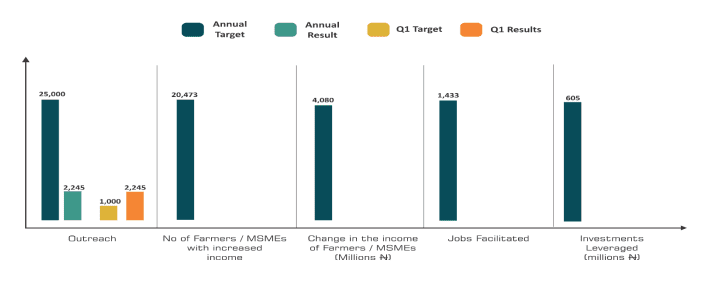
In 2022, PIND plans to reach an additional 21,780 direct and copying farmers11. This will be achieved through the continued expansion of its work across the region by establishing demonstration plots to promote the adoption of Good Agricultural Practices (GAP) in more communities in the Niger Delta. PIND would also increasingly leverage platforms to train and increase farmers’ access to agro-inputs including stems, fertilizers, and other crop protective products CCPs, while expanding its collaboration with BASICS II to increase farmers’ access to improved cassava stem varieties that are high yielding and disease resistant through the Cassava Stem Entrepreneurship activity. PIND will also continue to support the establishment of cassava out-grower and aggregation programs in target locations.
In Q1, 2022, PIND commenced engagement with potential and existing partners to define the scope and targets for collaboration ahead of the cassava planting season which kicks off effectively in Q2. PIND took advantage of the peculiar planting season in Bayelsa and parts of Delta state which commenced in late October 2021 and continued into Q1, 2022 to continue the scale-up productivity improvement activities working with agro-input firms, agro-dealers, and Farm services providers. PIND also reviewed proposed collaborative plans with BASICS II on strategic activities to strengthen a commercial Cassava seed system in the Region. PIND also progressed its collaboration with Sombreiro Kapital and Sterling Bank, on the Cassava out-grower program on 33ha of land in Imo State with Dufill Prima food as off-taker, while also facilitating a meeting between SAEL Global CBN and Sterling Bank on the proposed out-grower scheme in Edo state on 1,000 ha of farmland.
Through the above outreach activities by partners 2, 245 farmers (1,407 female,) were reached with training, demos, and key agricultural inputs. Farmers who participated in these training are also expected to participate in follow on trainings and practical demonstrations as they start cultivating their farms in April. Investments and other impact results will be reported in Q3 2022.
Learn more
KEY ACHIEVEMENTS: COCOA
PINDs Cocoa value chain intervention activities focus on improving the productivity and income of farmers through the adoption of good agricultural practices and technologies. To achieve this, the cocoa project works with a network of support market actors (agro-input companies, agro-input dealers, agro equipment dealers, and Farm Service Providers – FSPs) to improve access to agricultural information, agro-inputs, and efficient technologies to farmers in the cocoa sector. Since 2019, the sector has been strategically focusing on three intervention areas, viz: Productivity improvement, access to quality seedlings, and quality enhancement in five cocoa-producing states of Abia, Akwa Ibom, Cross River, Edo, and Ondo.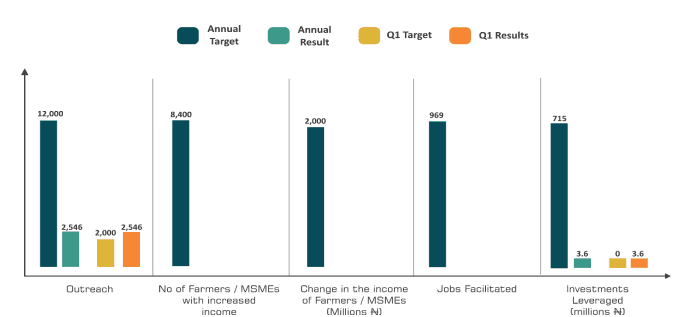
In 2022, PIND plans to support market actors to reach an additional 12,000 farmers with information on good practices, quality agro-inputs, and efficient technologies in the cocoa producing states.
In Q1, 2022, PIND supported export companies, cooperative groups, and Farm Service Providers to organize training programs and demonstration activities to reach new farmers. Seven Farm Service Providers (FSPs) and one off-taker expanded GAP activities to more farmers in Abia, Delta, Edo, and Ondo States reaching 2,546 (678 females) farmers.
Also, a total of N3.6 million was invested to enhance productivity of farmers- N1.8 million Naira equity investment by Cocoa farmers to purchase four pieces of the mechanical pruner and another N1.8 million for the purchase of four pieces of the mechanical pruners (two pieces each), by Farm Conservation Services (a partner FSP) and Cooperative Farmers Association (a partner cocoa beans aggregator).
Learn more
KEY ACHIEVEMENTS: PALM OIL
PIND’s interventions in the palm oil sector focus on stimulating best management practices (BMPs) among farmers and improving access to palm oil seedlings. These interventions aim to increase the productivity and income of farmers and small processors in the region. The interventions utilize the market systems development approach and are driven by agro-dealers, fabricators, input companies, and palm seed nursery operators and producers who have the incentives to provide a range of services and products that improve the productivity of farmers and processors. Previous interventions included stimulating the use of harvesting technologies and improved processing equipment.
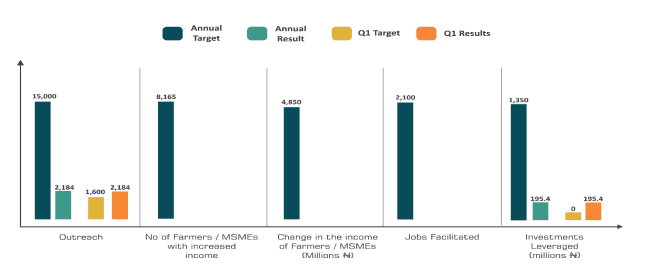
In 2022, PIND plans to expand outreach to an additional 15,000 farmers, leveraging the adaptation strategies deployed in the previous year. Additionally, PIND plans to deepen the adoption of best practices by linking farmers and market actors to financial institutions to access inputs and equipment. It also plans to continue its work with seed-producing companies to expand the distribution of quality seeds to more farmers in the region. Last year, PIND on-boarded one new seed producer and promoted the business finders’ model which led to 304 palm oil farmers purchasing and planting 274,825 seedlings in the region. PIND plans to onboard another seed producer and support it to increase its network of nursery operators to enable it to reach more farmers.
In Q1, 2022, PIND facilitated meetings between oil palm business membership organizations and business service providers to enable access to affordable loans. Another area of focus was on monitoring the activities of nursery operators, equipment sellers and fabricators, to track the adoption of improved seeds, processing, and harvesting technologies in the Niger Delta, whilst supporting agro-dealers, FSPs, and lead farmers to reach farmers across the region.
In addition, six FSPs and three lead farmers expanded outreach activities to 1,481 farmers (479 female) across Delta, Ondo, Abia, and Akwa Ibom states and 703 farmers purchased improved seeds, making the total farmers reached 2,184, against the target of 1,600 for the period.
As a result of the activities above, N195,418,800 was leveraged by these actors on the purchase of 220 Improved harvesting tools (N3.3 million), purchase of seven small scale processing machines for oil palm processing (N8.65 million), purchase of 229,336,000 seedlings by 703 farmers and the purchase of improved oil palm seeds by farmers (N183.46 million).
Learn more
KEY ACHIEVEMENTS: POULTRY
The poultry value chain interventions are designed to improve the productivity and income of poultry farmers in the Niger Delta through the adoption of good poultry practices and linkages to quality inputs such day-old chicks (DoCs), vaccines and feed, as well as markets and finance to help farmers in their growth expansion plans. The sector’s activities are driven by Poultry Service Providers (PSPs) and Village Level Dealers (VLDs) working with input companies, chicken processors, and other market actors, who see the incentive to make more money by providing their services and products commercially to farmers, to improve their productivity.
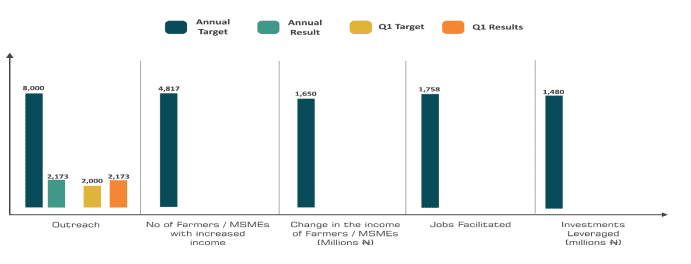
PIND’s target for 2022 is to reach an additional 8,000 poultry farmers with information on good poultry practices (GPP) and to facilitate access to quality inputs, markets and finance for expansion.
This quarter, PIND worked with a network of PSPs and VLDs to reach farmers with knowledge on good poultry practices, linkages to market, finance, and to create awareness of the importance of biosecurity, particularly in Delta state where some farmers experienced losses due to the outbreak of avian influenza last year.
In addition, PIND continued to mentor and track the activities of service providers and identify more input companies to partner with to drive access to quality vaccine and DoC interventions. Also, in the quarter, PIND identified and engaged three large buyers of poultry products in Rivers, Bayelsa, and Ondo states to provide alternative markets for farmers.
Consequently, the sector recorded a total outreach of 2,173 (838 female), exceeding the 2,000 target for the quarter.
Learn more
KEY ACHIEVEMENTS: MSME DEVELOPMENT & LINKAGES
The MSME Development and Linkages project aims to stimulate a market that creates a dynamic and diversified set of strong local enterprises that can meet the demand created by large buyers operating within the Niger Delta. This then strengthens the local economic environment capable of driving economic growth and job creation. The project also strengthens platforms that enable micro, small, and medium enterprises (MSMEs) to access quality business support services, market, and funding opportunities that enable enterprises to grow and be more competitive in both local and global markets.
The project activities are driven by business services providers (BSPs) whose capacities have been strengthened by PIND to enhance the growth of local enterprises. These BSPs work in partnership with financial institutions, large corporate buyers, chambers of commerce, and other public and private stakeholders important to the development of the MSME sector; to organize business linkages and investment forums, as well as to access new market and funding opportunities necessary for MSME development.
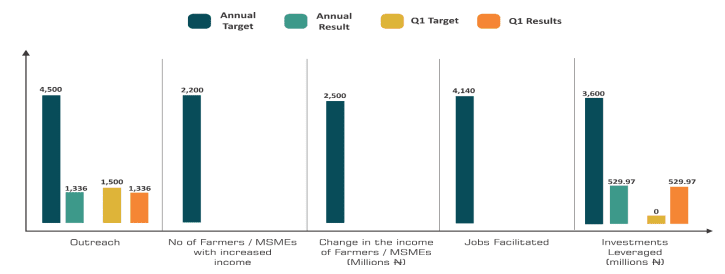
In 2022, PIND plans to work with the business service providers (BSPs) to expand the business performance of 4,500 MSMEs in the region, by improving their technical and business management skills and facilitating linkages to funding and market opportunities necessary for MSME growth and competitiveness. In Q1, 2022, PIND supported BSPs to provide business development services- entrepreneurship development training, management systems upgrade, formalization of business operations, and access to finance through the CBN Agri-Business/Small and Medium Enterprise Investment Scheme (AGSMEIS) loan program.
Also, seven BSPs trained and supported a total of 1,336 MSMEs (including 681 women-owned) with business management, business plan development, loan application, and linkages to finance through the CBN AGSMEIS. Consequently, N529.977 million was invested by the MSMEs as debt financing in their businesses as follows: Bayelsa (N174,880,632), and Rivers (N355,096,408).
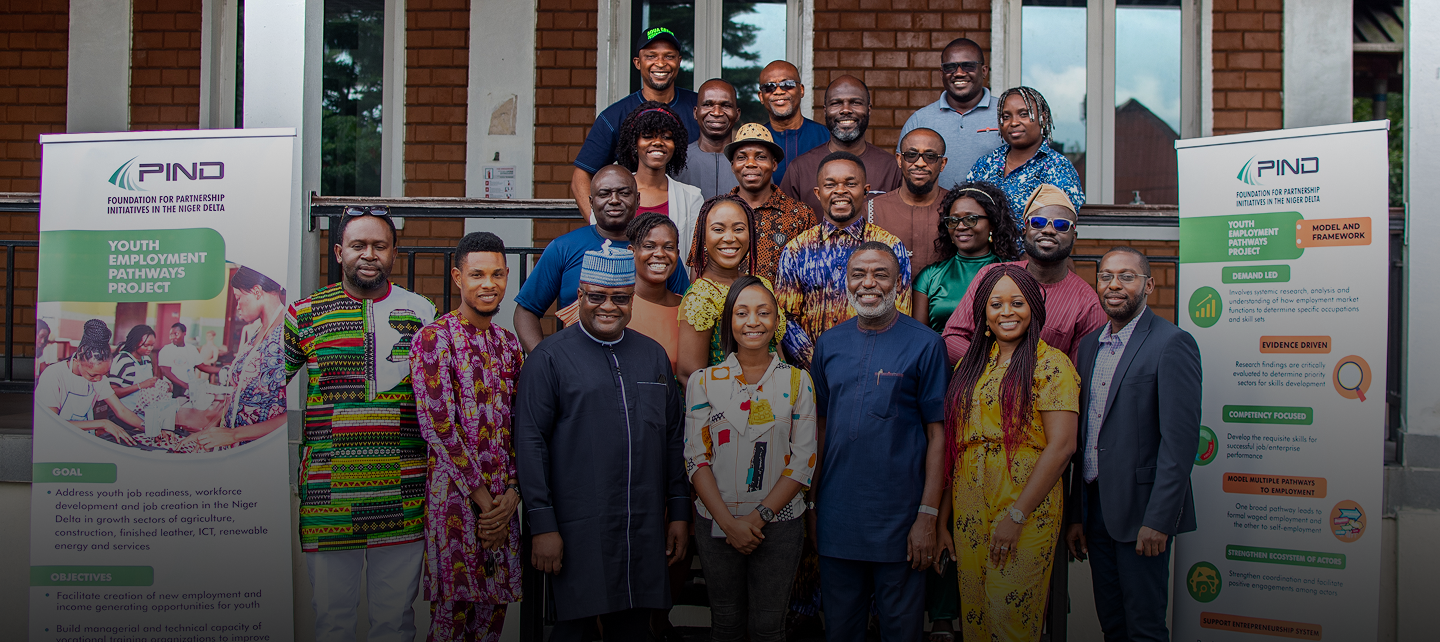
Learn more The Delta State Youth Employment Program (DYEP) commenced the implementation of technical vocational and soft skills training with nine implementing partner organizations. In the first year, four economic growth sectors- ICT, building construction, agriculture and services and 17 technical vocational skill areas were covered. Soft skills were mainstreamed in the curriculum, including a module on conflict sensitivity and peace building.
The project was implemented in two cities (Asaba & Warri) in Delta State. Trainings which had commenced in November 2021 were completed by Q1, 2022 (March 2022), across the 11 privately owned Technical, Vocational and Education Training (TVET) centers in the two cities. Participants were trained in 17 occupational skill areas and 631 youths, aged 16 to 30 years, successfully completed the technical skills training. 37% of those who completed the training came from Asaba, while 63% came from Warri. 73 of the youths who were trained in Warri came from coastal GMOU communities. 47% of successful participants were female, while nine were PWDs.
With the support of the implementing partners 112 of the youths who completed the training got direct waged employment, while 161 youths started small-scale enterprises of their own (48 of these people have started small scale farms), making a total of 273 youths with income earning opportunities. Furthermore, 232 youths have been placed in apprenticeship and internship positions, which will enhance their chances of accessing waged employment in the future. This implies that of the 631 youths who completed the training, 505 of them (80%) have transitioned to income earning positions or apprenticeships.
The remaining 126 youths will also be supported to transition to income earning roles. Of those that have been linked to waged employment, 81 are in ICT, 21 in solar installation, seven in construction and three in services (such as fashion design etc).The coastline rural communities in the Niger Delta region of Nigeria suffer poor rural electrification, with many of the communities not having access to regular electricity supply to power basic economic assets and household needs, leading to reduced economic activities. Expectations for connection to the National grid anytime soon are unlikely due to highcost implications and the difficult terrains. Since 2018, PIND has been addressing this gap through alternative and affordable off-grid solutions, capable of targeting not only basic energy needs (i.e., lighting and cooking energy), but also productive use of energy at both household and rural enterprise levels (such as use in barber shops and beauty salons).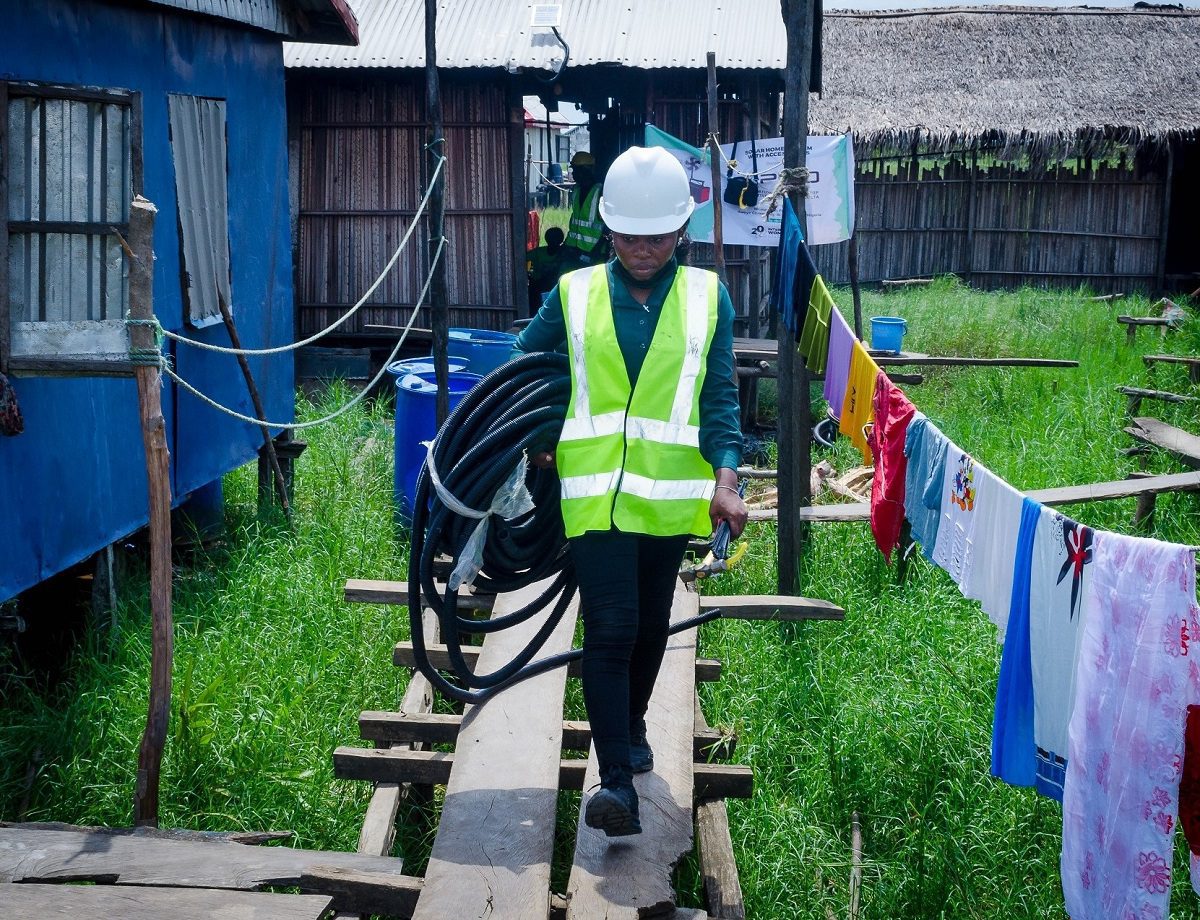
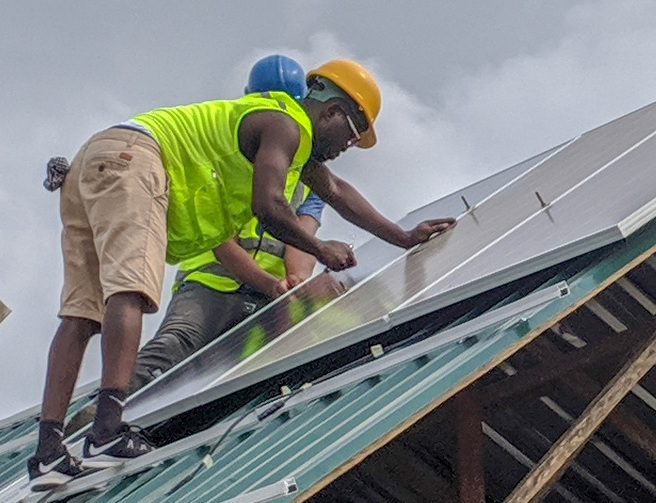 PIND’s Access to energy program had an outreach of 4,268 in Q1 2022. This includes 4,130 persons across 230 businesses and 650 households now enjoying access to clean energy (electricity) and another 136 persons reached through knowledge sharing, demonstrations, community engagement, as well as two new village-level energy cabin operators who have received training on the technical and business aspects of the community solar power plant.PIND’s Access to Energy program continues to provide technical program support to A4&T in their drive to scale up electricity through the energy cabins to underserved communities in Ondo State as a going concern and in Q1 2022, A4&T powered on a 54kWp hybrid solar mini-grid in Laoso community in Ondo State. A4&T’s capability to secure commercial capital to fund the building of a 54kWp hybrid solar mini-grid in Laoso community signifies a major milestone for the solar mini-grid development in the region, since the projects were previously unattractive to the commercial banks. In total, this singular project leveraged N120 Million in private sector investments.
The mini grid provided connections to 230 MSMEs and 650 households in the community. Laoso is an agricultural community with Cocoa as the main commodity, and the business connections will be utilized among productive-energy users. This project involved 24 Technicians and 10 local temp workers working full time for 8 weeks, thereby creating an employment window for seasonal and temp workers while also contributing to the local economic prosperity. In total, the mini grid provided electricity access to an estimated 4,130 persons across the 650 households and 230 businesses owners. This project will also be benefiting from the World Bank’s Result-Based-Financing for mini-grids in rural communities and thereby contribute up to 60% of the CAPEX towards de-risking A4&T’s investments, which will enable the company to expand its energy portfolio across Ondo state.PIND’s facilitating role in the renewable energy market received a boost in Q1 2022, and a total of 136 key stakeholders in both the supply and demand side of energy goods and services were engaged through information and demonstrations on community energy projects. Meetings were held with different energy stakeholders as part of the activities to stimulate interests and attract investments into the Niger Delta off-grid electricity market. A total of 7 such meetings were held with partners with business interests in Bayelsa, Delta, Edo, Ondo, and Rivers States. PIND met with mini-grid developers such as Darway Coast Limited and Ashdam Solar limited; traditional solar rooftop installers such as ProSolar Limited, EnergyPro Limited, Irradiance Limited; and community-led social enterprises such as the advocacy center. PIND also met with Ekovolt – a data solutions company that is partnering with the United States Trade and Development Agency (USTDA) to explore data connectivity in last mile communities.
Other efforts to attract new investors and develop partnerships that can scale up solar mini-grids across the Niger Delta, include a model-sharing workshop targeted at members of the Renewable Energy Service Providers of Nigeria (RESPON) and Renewable Energy Association of Nigeria (REAN) – two key stakeholders in the supply side of mini-grids and equipment in the country. 12 members (11M, 1F) attended the event which presented the learnings from PIND’s Energy Cabin pilots and scale-up over the last 36 months. The activity explored opportunities for collaboration on mini-grids, community solar refrigeration solutions, Solar-Home-Systems, and other innovative access-to-energy interventions, across coastal communities in Delta, Ondo, and Bayelsa states.With PIND’s support, two GMOU communities in Gbaramatu kingdom (Opuede and Kurutie) were assessed for mini-grid commercial viability by private sector power developers who are interested in adopting and deploying the PIND energy cabin business models in these communities. As a result, the leadership of Kurutie community have commenced discussions with one of the power developers with a view to signing a partnership agreement. Similarly, in Koluama 2, a GMOU community in Bayelsa state, PIND facilitated a meeting between the leadership of KOTEF fishing cooperative and Vectis business options limited – towards sensitizing the community on the communal philosophy of a refrigeration hub. Koluama 2 is a predominantly fishing community in Bayelsa state lying along the coastline of the Atlantic. The community has been identified and assessed as a viable location for solar refrigeration using PIND’s electricity-as-a-service model, therefore the community engagement was complemented with a technology field day that involved participation from 24 members (17M, 7F) of the KOTEF fishing cooperative. This activity forms part of the preliminary stages toward setting up a commercial solar refrigeration hub in the community.PIND recognizes that women are typically underrepresented across the community and household energy beneficiary’s spectrum, therefore in Q1 2022, PIND’s various demonstrations, workshops, and community engagement activities were undertaken to ensure access for and participation by all. This was achieved in two key instances where about 44% women participation was recorded (Kpokugbene and Kurutie) and another encouraging 29% women participation in Koluama 2 community. The same best practice was cascaded to PIND’s partners and private sector power developers through continuous project handholding, and they have been able to advocate an increase in the productive use of electricity for female-headed businesses and female household members within their various communities. Mainstreaming women participation through such programming fundamentals helps to amplify the voices of women in PIND interventions.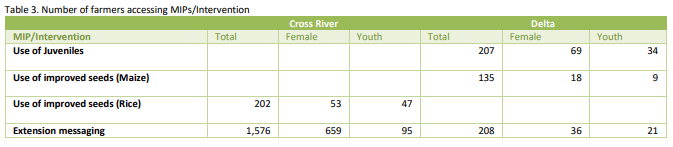
PEACEBUILDING
This section highlights key achievements of the Peace Building program in Q1, 2022
PIND continued interventions in conflict prevention, conflict management and peacebuilding in the region this quarter. PIND’s role in and its support for grassroots-led conflict resolution initiatives are examples of both the scope and the limits of long-term peacebuilding projects. Recognizing the need for an integrated and comprehensive approach to tackling the complex causes and drivers of conflict in the region, PIND adopted a plan of action that aimed to keep the level of violence as low as possible, particularly in key communities of interest, while also building the social infrastructure and social capital of peace actors across the region for long term sustainable peace. This ushered in a paradigm shift reflecting a different way of working on problems of militancy, election violence, gang/cult violence, communal violence, and the cross-cutting issue of Violence Affecting Women and Girls (VAWG). PIND aims to achieve this objective through the active engagement of 5,000 peace actors in conflict mitigation and reduction.In Q1 of 2022, 28 stakeholders whose capacities had been strengthened through PIND/P4P facilitated training14 sessions and workshops, applied the skills they had acquired to promote peace and tackle conflict in their communities. Most of the peace actors reportedly applied their skills by providing further training to others; engaging in conflict mitigation efforts within and outside their communities; reporting conflict issues to the PIND/SMS platform; engaging in peacebuilding awareness campaigns against electoral violence and analyzing conflict trends and patterns. Also, 51 peace actors (P4P members) constructively resolved emerging conflicts in various communities in the Niger Delta, utilizing 48 ‘quality actions’ within the reporting period. Some examples of the way these peace actors have applied skills gained to promote peace and tackle conflict, as well as interventions towards creating a long-term peaceful environment during the quarter, are presented below:
SKILLS APPLIED |
OUTCOME OF ACTION TAKEN |
| Genderbased Violence Case Management | Mrs. Ebi is a gender desk officer in the Nigeria Security and Civil Defense Corps (NSCDC) Yenagoa, Bayelsa State who was trained in conflict assessment in 2017, and has since been attending to gender-based violence issues in the Corps. In March 2022, she attended to an alleged rape case of a 14- year old girl by a 64-year-old man in Yenagoa and reported the case to the Gender Unit of the Ministry of Women and Children Affairs and the police for further investigation and court action since NSCDC does not detain alleged criminals for more than 24 hours. The family of the victim is now considering adopting an Alternative Dispute Resolution (ADR) mechanism as they feel the litigation process would take too long and might deprive the victim of justice.
|
SKILLS APPLIED |
OUTCOME OF ACTION TAKEN |
| Gang Violence | Rose, a teacher, attended the Conflict Assessment training in Rivers State in 2017 and has since been sensitizing students of Government Community School in Opuoko community of Khana LGA, about the effects of cult activities in the community. When schools resumed in January 2022, she set up a Peace Club in her school, training students on drama, violence and conflict (including how to manage various conflicts).
|
SKILLS APPLIED |
OUTCOME OF ACTION TAKEN |
| Gender-based Violence Prevention | Orok works for Peace Point Development Foundation. She was trained in gender and peace building in 2018 and she subsequently set up community and schools environmental clubs as platforms to sensitize the public on environmental conflict issues and how to prevent, mitigate and resolve them. In March 2022, she facilitated training sessions for the Network of Women on Peace Building on gender, mediation and peace building in Calabar with 45 NGOs and government representatives in attendance
|
SKILLS APPLIED |
OUTCOME OF ACTION TAKEN |
| Conflict management |
Roselyn attended Rivers State conflict assessment training in 2017 and has been using the skills she gained to resolve conflicts in the community she resides. In Feb 2022, she held a meeting with the management of Rukpokwu Community Secondary school and the leadership of Onelga Security Peace and Advisory Committee (OSPAC), a State approved vigilante group in Obio-Akpo LGA, to address the violent activities of some notorious students in the Community school, suspected to be members of cult groups in the school. After the meeting, they resolved to monitor the notorious students with the decision of disciplinary punishment against defaulting students to serve as a deterrent for other students.
|
TYPE OF CONFLICT ISSUE |
OUTCOME OF INTERVENTION |
| Intra-communal Clashes | Godsent the Imo State P4P Coordinator led an intervention that helped to address a traditional leadership tussle and intra-communal clashes that had ravaged the Obibiezena communities for over 5 years, as there was no community constitution to guide the process of electing the community governing structures such as the Eze and the Eze’s Cabinet of the community or President General (PG) and its Executive Committee, which are the highest decision-making organs in the Obibiezena community. In January 2022, the Imo State P4P held stakeholders’ meetings to promote peace and organized training sessions on community development, EWER and conflict negotiation and mediation. Relative calm has returned to the community. HRH Eze Dr. (Sir) Peter U. Onyewuchi, the traditional ruler, the President General (PG) of Obibiezena Development Union (ODU) and many other community executives publicly announced that the P4P was instrumental to peace that reigned between the Traditional Institution and the Town Union. The restoration of peace also contributed to the establishment of the Obibiezena Women Multi-purpose Cooperative Society with the initial startup membership of 120 women. To ensure lasting peace, the Town Union and the Eze-in-Council jointly constituted a Constitution Review Committee (CRC) which submitted its recommendations for revisions to the constitution, to the Obibiezena Development Union (ODU) in February 2022.
|
TYPE OF CONFLICT ISSUE |
OUTCOME OF INTERVENTION |
| Boundary Disputes |
In 2021, Cynthia, the Chairperson of Edo State Prevent Team, anchored an intervention that helped to resolve the boundary disputes between Sabongida-Ora and Uhonmora in Owan West LGA, in Edo State. The conflict had caused destruction of lives and property and restriction of movement between disputing communities. P4P intervened and facilitated meetings between the communities and by the end of the intervention, resolution was reached, and a communique drafted in March 2022 with the involvement of the Edo State government. P4P is following-up to ensure the communique is issued and signed by all parties involved. There is relative peace in the communities now and the commissioner for public utility and safety said “the P4P’ s work is impressive we did not know that such an organisation existed”.
|
TYPE OF CONFLICT ISSUE |
OUTCOME OF INTERVENTION |
| Cultism/Violence against women and girls (VAWG) |
Stanley, the P4P State Coordinator in Bayelsa State, mobilized youth, women leaders and traditional rulers, and jointly intervened to reduce the rising cultism and VAWG in Yenegoa and neighboring communities. In January 2022, courtesy visits were paid to relevant stakeholders and commitment elicited from the community leaders. Participating communities resolved to formulate local laws to address drug abuse and cultism to reduce the level of drug peddling and usage in their communities. Residents reported that cult activities in these communities in Yenegoa have reduced significantly since then. The relationship between the military and other security agencies has improved. Community based peace actors have also been established to report conflict issues in their localities and contribute to maintaining peace and security in their various communities.
|
In March 2022, 374 youth (192 female) of PIND’s Youth Employment Pathways (YEP) program in Delta State were trained in peacebuilding in Warri and Asaba, Delta State. The training focused on volunteerism, conflict management and PIND’s SMS-based early warning reporting system. The training also aimed to highlight the nexus between peacebuilding and economic development, recognize cause of conflict, acquire basic skills to respond to mitigate conflict and highlight the negative impacts of conflict on relationships and businesses. A pre-training and post-training assessment showed that 84% of the participants now have increased interest in participating in peacebuilding processes in their communities while 65% are convinced they will leverage the skills gained at the training to intervene in conflict issues in their businesses and communities.  Capacity Building as one of PIND’s key enablers is designed and positioned to strengthen the institutional and technical capacity of government, civil society (including business associations and service providers) for effective socio-economic engagement, inclusive governance for growth, and peaceful co-existence in the Niger Delta” and directly contributes to both PIND’s long-term objective and overall goal.
In Q1 2022, PIND trained 17 people from eight organizations (PIND’s cofacilitators) on the development and management of Intervention Guides and the DCED Standard for results measurement. Also, the foundation commenced the engagement of consultants to provide additional training and mentorship to selected CAPABLE organizations on proposal writing and resource mobilization, to further enhance the capacity of these organizations to attract increased funding to implement sustainable projects in the region, and to building the capacity of identified Business Membership Organizations (BMO)s within PIND’s MSD Sectors. Two of the previously trained CAPABLE organisations accessed funds and grants in Q1, 2022. Living Hope Foundation received a grant of N15 million from the Global fund to sensitize 150 pregnant women, youth, and children on malaria/Tuberculosis prevention and treatment in selected Local Government Areas in Delta and Cross River State. Similarly, Macjim Foundation received funding of over N2 million from CORDAID to research climate change impact across key sectors in the Niger Delta. In total, N17 Million naira was recorded as funds raised this quarter against a target of N5Million for the period.In 2021, the Advocacy project focused on its three key work areas within PIND’s Strategic Plan (2020-2024 operating phase) which are: to influence spending and funding from government, donors, and the private sector organizations on new projects in the Niger Delta; support the Economic Development program in addressing emerging advocacy issues of access to arable land for smallholder farmers and addressing constraints on small businesses brought about by multitaxation and illegal levies; and provide support to the Peacebuilding efforts to institutionalize strategies that will promote conflict prevention across the Niger Delta.
PIND’s Advocacy supported the Peace Building team for its one-day stakeholder dialogue and consultation session to address the killing of women and girls in the Niger Delta. The session was held as part of PIND’s work with the Center for Conflict and Development Studies, the University of Port Harcourt. As a follow up to the dialogue session, key strategies identified by stakeholders have been noted for action, and a policy brief and petition on change.org shall be produced to bring further awareness to the issue.
To expand benefits to 150,000 farmers, the Advocacy unit is working with stakeholders to address the binding constraints of inadequate access to land by smallholder farmers. In Q1 2022, the Advocacy team visited Delta, Edo, and Ondo States to track the progress of the work of arable land review committees in the states. The arable land review committee in Edo State was inaugurated in Q1 and has had engagements with critical stakeholders in the State.
PIND also developed a matrix which tracks the various kinds of taxes and levies (about 120 in all), paid by small businesses across the three focus States. It is expected that this would form the evidence that would be used to engage key stakeholders in addressing the menace of multiple taxations and illegal levies.PIND’s communication activities aim to increase the visibility of the Foundation by getting people to know about PIND, talk about PIND, and engage with PIND, to strengthen its reputation and attract target stakeholders to support PIND’s cause, partner with PIND, fund PIND’s programs and replicate PIND’s proven models.
In the first quarter of the year, the Twitter ban in Nigeria was lifted. This allowed PIND to return to the social platform where most civic, advocacy, and stakeholder dialogue occurs. The Unit repurposed and shared several relevant content in a campaign-style to bring the Twitter audience up to date. During the period, discourse about the upcoming Nigeria 2023 general elections, insecurity, and migration of skilled workforce from Nigeria in search of greener pastures also dominated the media space. To key into the discourse, remain relevant, and attract audience attention to PIND, the Unit focused on using relatable human stories to share critical messages of economic opportunities, peacebuilding, and enabling environment facilitated by the Foundation.
Gender Equality and Social Inclusion (GESI) mainstreaming as a cross cutting theme, is embedded within PIND’s programs and projects to ensure that its activities are inclusive, reflect equitable participation and access to benefits.
In Q1 2022, 7,594 males and 5,272 females (41% of the total beneficiaries) benefitted from the various economic development interventions in the Niger Delta, with an aim to increase their incomes and improve their livelihoods. Also 9 people with disabilities are currently enrolled in the Youth Empowerment Program (YEP) in Delta State. Similarly, 549 males and 405 females (42% of the peace actors) participated in various peacebuilding interventions. Youths comprised 39% of people reached.
On March 8, 2022, PIND joined the global community to mark the International Women’s Day (IWD) event, with the subtheme “Sustainable Livelihoods: When Women Lead” in line with the United Nations Women (UNW) theme: “Gender equality today for a sustainable tomorrow”. PIND conducted activities in the rural and urban areas and reached a total of 69 women in 11 remote and underserved communities within the Chevron GMoU communities in Bayelsa, Delta and Ondo States respectively. 24 women were trained on leadership, conflict management and business development.